
February 16, 2026
China’s canola bet in Pakistan targets $4 billion oilseed import bill
Pakistan imports about 90% of edible oil at a cost of roughly $4 billion a year; a China-backed canola package aims to substitute imports. The possibilities go much farther

February 16, 2026
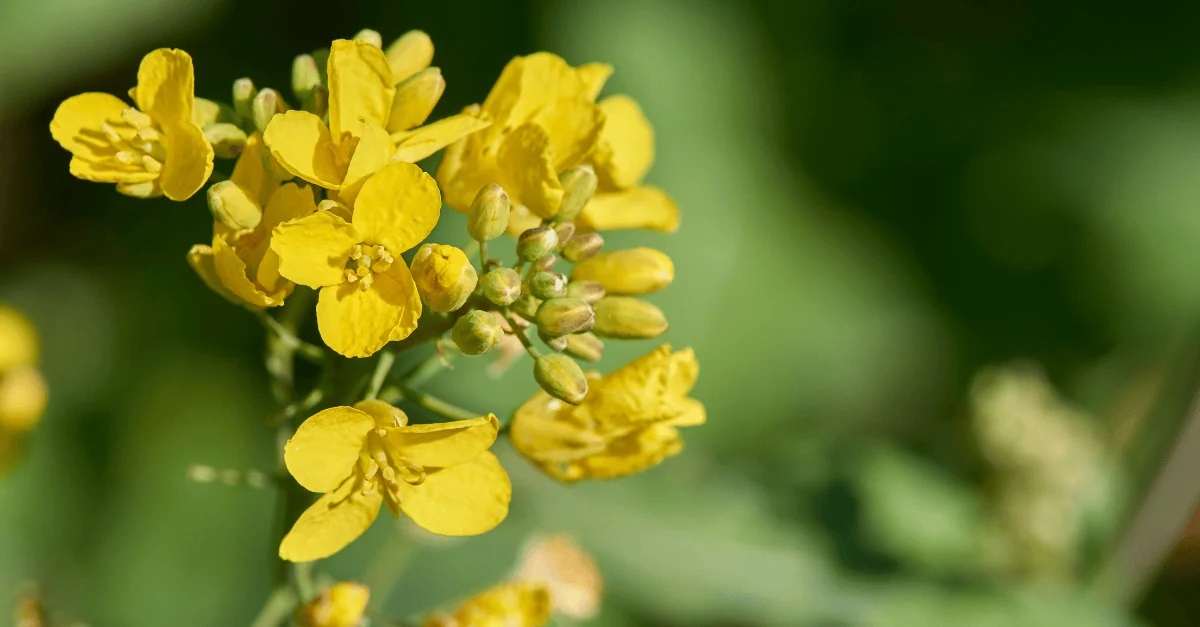
Cooking oil is the kind of purchase that feels too ordinary to carry national consequences. It is there in every kitchen, measured in litres and rupees, bought in tins that last a month or a week depending on household size, and argued over in the same way groceries always are: price first, then taste, then whatever people have started calling “healthy” this year.
Yet behind that routine sits a number that refuses to behave like a routine. Pakistan imports about 90% of its edible oil and spends roughly $4 billion a year on it. In a country where dollars are never a neutral input, that bill is not just a food story. It is an annual claim on foreign exchange that shows up in trade data, in policy improvisation, and eventually in the price of everyday meals.
The question is not whether Pakistan wants to be less dependent. It is whether it can be. And in the pitch being made by Chinese companies operating under the broader arc of China–Pakistan economic cooperation, the route to “self-reliance” is not a single breakthrough crop or a one-off subsidy. According to Zhou Xusheng, country director of Wuhan Qingfa Hesheng Agricultural Development Company, which is working in Pakistan on seed and agri-technology projects with local partners including Evyol Group, the answer is seeds, machines, and a supply chain that keeps more value inside the farm gate.
Subscribe to Continue Reading
The rest of this article is available exclusively to subscribers.
2 Comments
No comments yet. Be the first to join the discussion!


