How big is the landa bazaar, and is it strangling local shoe manufacturers?
Pakistan’s imports of used clothes and shoes from the West have been consistently increasing in value and volume over the past decade. Local players are not happy with the impact of these imports
In a recent meeting with Commerce Minister Jam Kamal Khan, representatives of the footwear industry came suited, booted, and ready to complain about the increasing import of second-hand shoes in Pakistan.
For shoe makers in Pakistan, it makes sense to be wary of imported second hand shoes. They are cheap and when they flood the market they take away shares from them. According to their own estimates, imported shoes make up around 30-40 percent of Pakistan’s domestic footwear market.
What they based this data on is not clear. But what they essentially said was that these used shoes are imported under the broader customs category of “used clothing and accessories”. This, their argument went, cuts into the potential of local manufacturing to grow properly by shifting demand to imported footwear. Consequently, the manufacturing potential of the local industry is far from fully utilised, with deleterious consequences for the local industry, since they are unable to compete with those prices.
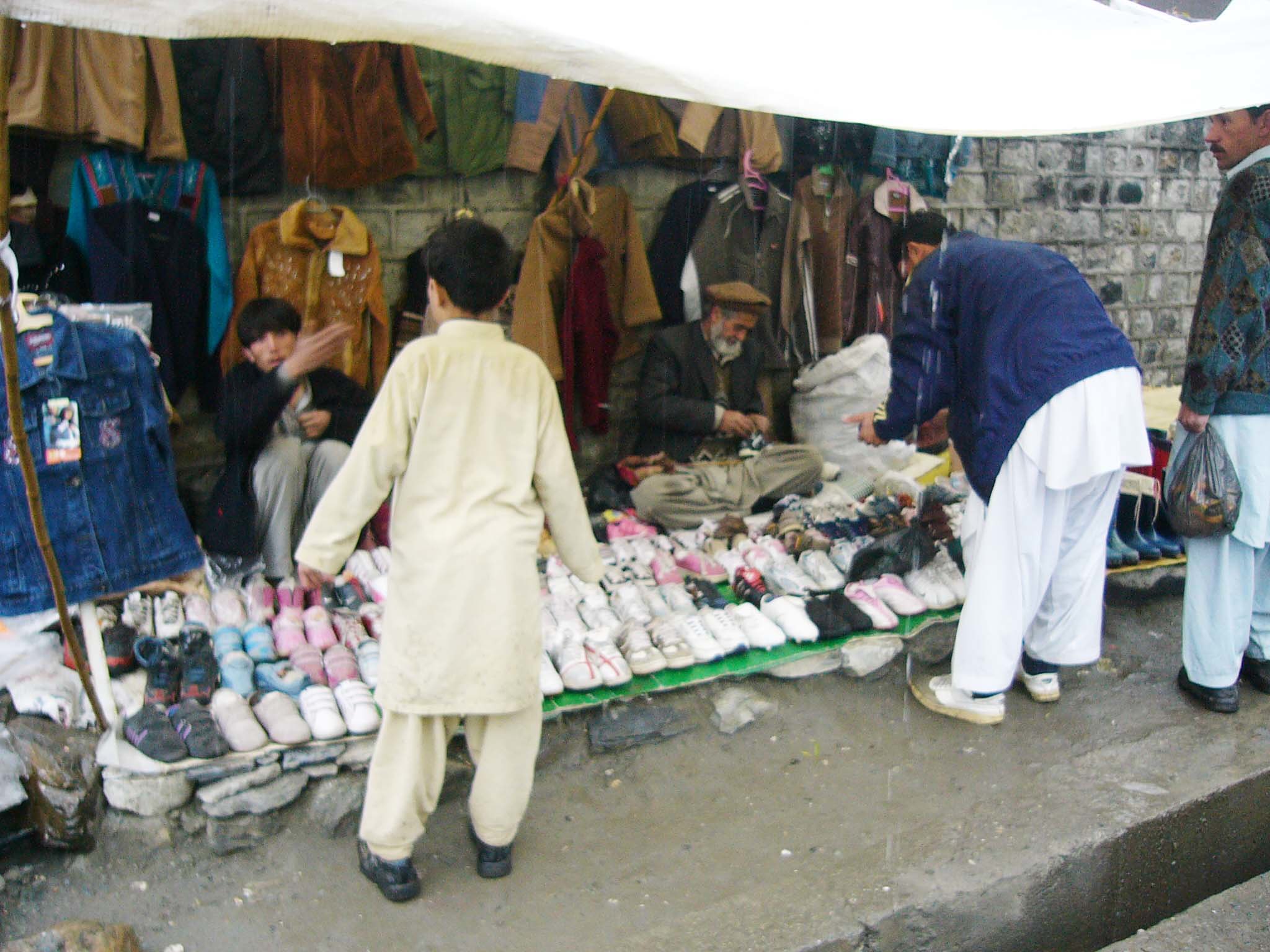
This reflects a broader trend in recent years in the increase of imports of used clothing, sold traditionally in flea markets, more commonly known as the landa bazaar. Used – sometimes pre-worn, at other times essentially new – articles of clothing are shipped in massive containers, which are then sold at prices much lower than of the same articles if bought from the store. Not only has it given consumers a cheaper alternative to increasingly expensive newer clothes, but it has also expanded the array of choice available to them.
Read more: The arbitrage loop from hell
The import of used clothing and footwear is growing, and it is unlikely to decrease meaningfully any time soon. The measure proposed by the footwear industry representatives that a separate category be made for imports of used shoes appears to be a needed measure, just to keep track of such imports and to prevent under-invoicing, and introduce sector-specific regulatory measures. In such a context, however, this won’t be enough. The local footwear industry might be better served by government-led efforts to improve affordability, enhance quality, and to create brands that are globally recognised, ones that can compete not only in local but also in international markets.
Subscribe to Continue Reading
The rest of this article is available exclusively to subscribers.

Comments
No comments yet. Be the first to join the discussion!