
Policy paralysis on petrol will only increase the trust deficit
Either the April 2 increase was necessary, in which case publicly undercutting it a day later was poor statecraft. Or it was not properly thought through, in which case ministers were sent out to defend a decision that did not deserve defending. Neither interpretation inspires confidence
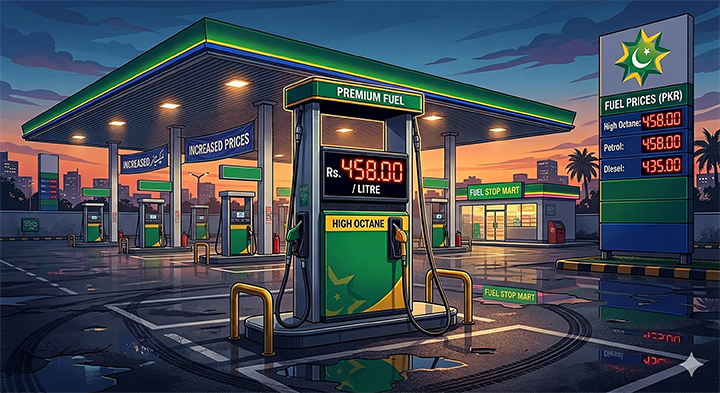
As far as optics go, Prime Minister Shehbaz Sharif has some serious introspection to do. Why send his petroleum minister and finance minister before the cameras on April 2 to defend one of the steepest fuel price increases in recent memory, only to appear on television himself the very next night to partially unwind it? Why ask ministers to make the hard case for economic necessity and then dilute that case almost immediately from the highest office in the country? In moments of crisis, governments are judged not only by what they decide, but by whether they appear to know what they are doing. This week, Pakistan’s government did not.
That matters because the fuel issue is not an isolated pricing dispute. It sits at the intersection of war, external vulnerability, fiscal stress and political credibility. After the US and Israeli attack on Iran, and Iran’s closure of the Strait of Hormuz, global oil markets tightened sharply. Pakistan, which relies heavily on imported fuel and on shipping routes tied to the Gulf, was always going to feel the effects. The question was never whether domestic prices would need to move. It was whether the government would move with speed, clarity and a credible plan.
Instead, it lurched.
Subscribe to Continue Reading
The rest of this article is available exclusively to subscribers.
2 Comments
No comments yet. Be the first to join the discussion!


