April 6, 2026
Tabba's expanding empire
While many Pakistani billionaires and centimillionaires retreat from taking risks, Tabba is making bold moves. What is he doing differently?
April 6, 2026
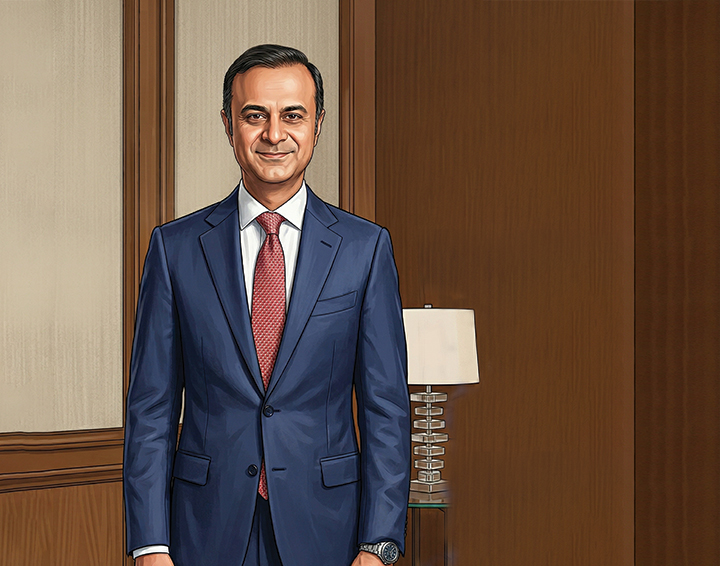
Meeting Muhammad Ali Tabba today is probably a bit like meeting Cornelius Vanderbilt in the 1850s or Dhirubhai Ambani in the 1980s. Middle aged, already rich, somewhat well known, and accomplished enough he might choose to coast on the strength of his laurels, but you can tell this man is far from done building his empire.
The past decade has been a rough one for the Pakistani economy, and the past five years in particular have been some of the worst in the nation’s history. Other Pakistani billionaires and centimillionaires have paused or scaled back their ambitions. Tabba appears to be continuing apace.
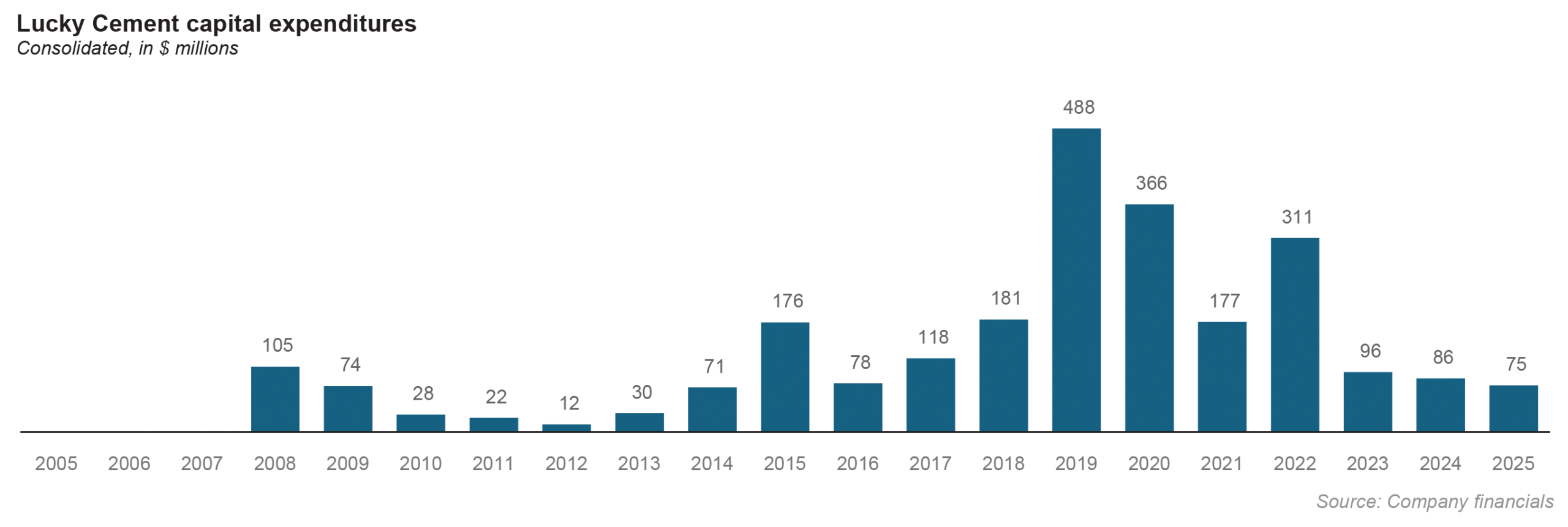
The biggest operating company – and one that serves as the holding company for most, but not all, of the conglomerate’s businesses – is Lucky Cement Ltd. Over the past 10 years, the company has invested a combined Rs319 billion ($2 billion) in greenfield capital expenditures either on its own or through financing joint ventures or subsidiaries. Of that amount, Rs154 billion ($745 million) came within the past five years, when investment activity in the country has been particularly slow.
(And to be clear, we are not referring to Tabba as a billionaire as a rhetorical flourish. Profit’s preliminary estimates of the value of his and his immediate family’s shares in the businesses they own suggest that his effective net worth may approach or even exceed $1.5 billion.)
Tabba is by no means alone in continuing to invest in Pakistan during this time. Fatima Fertilizers continues to invest heavily in new ventures, Arif Habib is making bold bets on privatization, and Engro is executing a strategic pivot towards becoming an infrastructure development company.
But the sheer breadth of ambition displayed by the Yunus Brothers Group – of which Lucky Cement and the other operating companies in Tabba’s empire are a part – is unique.
Over the past decade, the conglomerate has launched and expanded its joint ventures in its historic core business of cement manufacturing with partners in Iraq and the Democratic Republic of Congo. It launched a partnership with Kia Corporation to assemble the South Korean brand’s cars and SUVs in Pakistan, and then also launch a partnership with Samsung to assemble smartphones in Pakistan as well.
And that is just what has already launched. The conglomerate is also in a joint venture to mine copper and gold in Balochistan, and has just announced that its car assembly business will also partner with the Chinese automaker Guangzhou Automobile Group to start assembling their AION and HYPTEC brands of electric vehicles in Pakistan as well.
And we have not even gotten around to describing the acquisitions of ICI and Pfizer’s assets in Pakistan, or the initiatives to expand their historical core business lines in cement manufacturing and textiles.
So, what makes Muhammad Ali Tabba different? It helps to understand where he is in the arc of his family’s rise.
The Yunus Brothers Group
The conglomerate’s history starts with Tabba’s grandfather, Haji Abdul Aziz Hashim Tabba, who set up a cotton and rice trading house in Karachi in 1962. His sons Abdul Razzak Tabba and Muhammad Yunus Tabba, started stepping into the leadership of the group in the 1970s and 1980s, and began utilizing the cash flows from trading towards setting up manufacturing units in the very businesses where they were previously just traders: textiles.
One of the group’s earliest manufacturing ventures was Lucky Textile Mills, a textile weaving mill established in 1983.
Subscribe to Continue Reading
The rest of this article is available exclusively to subscribers.
Managing Editor, Profit Magazine. He can be reached at [email protected]
View all articles →0 Comments
No comments yet. Be the first to join the discussion!