Iran war raises inflation, fiscal risks for India as oil import bill surges
Oil and gas import costs jump, inflation projected at 5.1%, growth seen slowing to 6.6% as conflict disrupts energy supplies
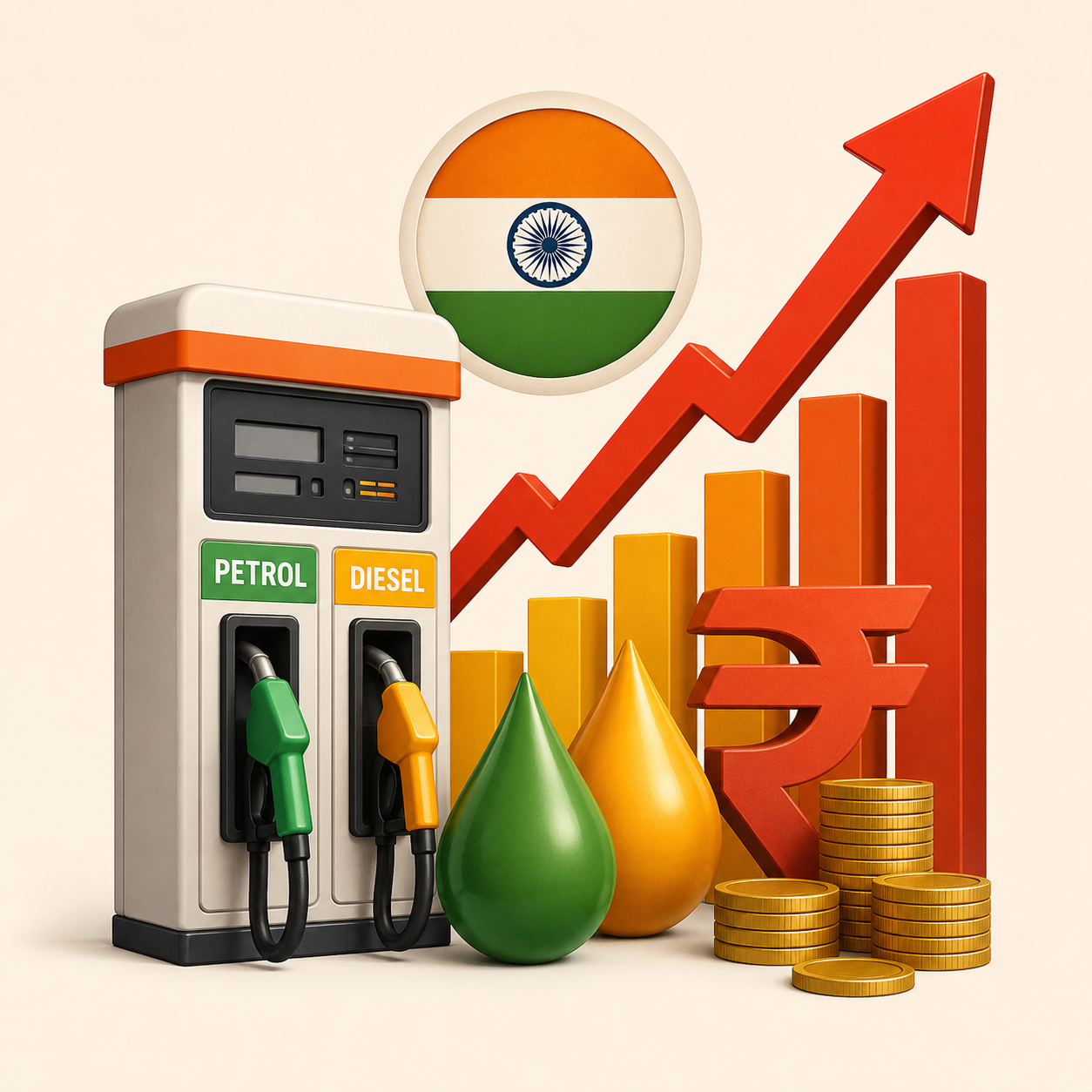
NEW DELHI: The economic fallout from the Iran war is placing increasing pressure on India’s economy, with higher energy costs, rising inflation and growing fiscal challenges threatening to slow growth in the world’s third-largest oil importer.
Economists say the impact could deepen if tensions between the United States and Iran remain unresolved and disruptions to energy supplies through the Strait of Hormuz continue.
India imports about 90% of its crude oil requirements, making it one of the countries most exposed to supply disruptions linked to the conflict. The Strait of Hormuz, a key route for global energy shipments, handles roughly one-fifth of the world's oil and gas trade.
Since the conflict began on February 28, benchmark international oil prices have risen sharply, reaching nearly $120 per barrel before easing. Prices remain around 30% higher than pre-war levels, while natural gas prices have climbed 75%.
The higher prices have already affected India's external accounts. The country's oil and gas import bill rose 53% in April compared to March, prompting concerns over a widening balance of payments deficit.
HSBC had previously projected India's balance of payments deficit at about $65 billion in fiscal year 2026-27. Following recent measures announced by the Reserve Bank of India (RBI), the bank now expects the deficit to improve by around $30 billion. India's balance of payments deficit stood at $25.2 billion, or 0.6% of GDP, in fiscal year 2025-26.
To reduce pressure on foreign exchange reserves and the rupee, authorities have introduced several measures, including curbs on gold imports, appeals to limit foreign travel and encouragement of greater use of public transport to reduce fuel consumption.
The RBI now expects inflation to average 5.1% during the current financial year, up from 3.48% recorded in April. Economic growth is projected to slow to 6.6%, compared with 7.7% in the previous year.
Although the central bank kept interest rates unchanged last week, financial markets are increasingly pricing in future tightening. Interest-rate swap markets are currently factoring in at least 25 basis points of rate increases over the next three months and more than 75 basis points over the next year.
Analysts also warned of broader supply-side pressures. Apart from energy costs, fertiliser supplies have been affected by the conflict, raising concerns for agricultural production at a time when India faces the possibility of an El Niño weather pattern that could bring drought conditions.
The government’s fertiliser subsidy bill is expected to increase by around 20% in fiscal year 2026-27, according to a government official.
To shield consumers from rising global prices, India has delayed major increases in retail fuel prices. Petrol and diesel prices have risen by less than 10% since the start of the conflict, compared with increases of more than 50% in some other oil-importing Asian economies.
The government has also reduced taxes on petrol and diesel, foregoing an estimated 140 billion rupees in revenue each month.
However, analysts warn that these measures are adding pressure to public finances. The government has ruled out compensating fuel retailers for losses resulting from controlled retail prices, a move that could reduce future dividend income from state-backed energy companies.
India is targeting a fiscal deficit of 4.3% of GDP this year, but a Reuters survey forecast the shortfall could widen to 4.7%, while some economists see it reaching as high as 5%.
Rating agency Crisil said further increases in retail fuel prices may be required and warned that higher transportation costs could feed through to food prices and broader inflation.
Economists said the combination of elevated energy prices, supply disruptions, inflationary pressures and weaker growth prospects is creating a difficult policy environment for Indian authorities as they seek to balance economic stability with fiscal discipline.
Comments
No comments yet. Be the first to join the discussion!