Govt declines to share budget relief cost with lawmakers as Rs360 billion estimate emerges
The government withheld the fiscal cost of its tax relief package from lawmakers, citing IMF negotiations. A committee estimates the impact at about Rs360 billion, including property and salaried tax concessions.
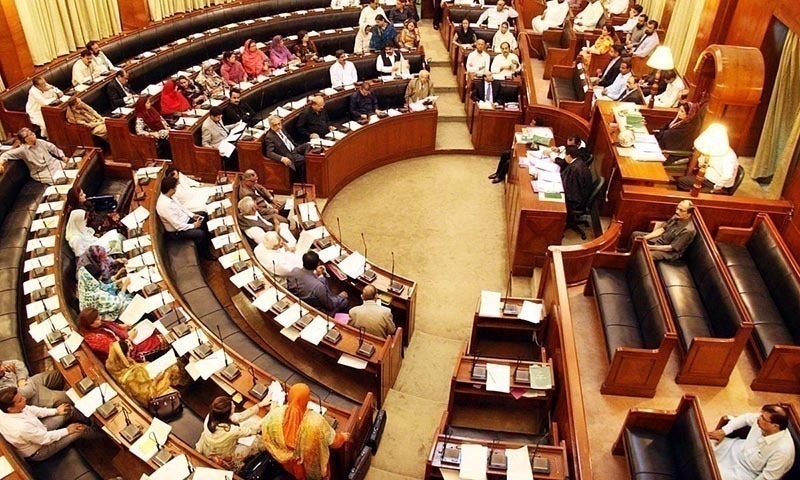
The government on Monday withheld the estimated fiscal cost of its proposed tax relief package from the National Assembly Standing Committee on Finance, citing ongoing discussions with the International Monetary Fund (IMF), even as lawmakers and the committee chair put the total impact at around Rs360 billion.
The issue arose during deliberations on the Finance Bill 2026, where members of the committee demanded a breakdown of the revenue implications of recently announced tax concessions.
Finance Secretary Imdadullah Bosal told lawmakers that the government could not disclose the figures publicly due to IMF negotiations. He said any relief measures would be matched with equivalent revenue-raising steps and enforcement actions, in line with the fiscal framework agreed with the IMF. He also noted that the cost had been shared privately with the committee chairman.
Committee Chairman Naveed Qamar indicated that the overall cost of the relief package was close to Rs360 billion, confirming earlier estimates during the meeting after being pressed by members.
According to details presented during the briefing, the relief measures include Rs115 billion in concessions for the property sector and Rs52 billion in relief for salaried individuals. Officials said the reduction in withholding tax on property transactions alone accounts for Rs115 billion of the fiscal impact.
Additional measures include an estimated Rs24 billion cost from reductions in federal excise duty on air travel and Rs17 billion from lowering withholding tax on international debit and credit card transactions to 0.5%.
The government has also proposed abolishing the 1% capital value tax on foreign transactions, a move estimated to reduce revenue by around Rs7 billion. FBR Member Strategic Transformation Hamid Ateeq Sarwar said the tax was withdrawn at the request of foreign governments and due to attempts by some individuals to shift to non-resident status to avoid taxation.
Sarwar also informed the committee that the government collects approximately Rs400 billion annually through the super tax and is not in a position to abolish it immediately. Under the budget proposal, the super tax would be removed for annual incomes up to Rs500 million, while an 8% rate would apply above that threshold. Banks, oil and gas exploration firms and fertiliser companies would remain subject to a 10% rate.
The committee was informed that the overall budget package comprises 11 relief measures, 10 rationalisation measures and five administrative reforms aimed at supporting growth, improving investment flows, strengthening documentation and enhancing tax compliance.
Lawmakers also questioned whether the revenue losses had been fully quantified and pressed for clarity on how the government plans to offset the fiscal shortfall. Chairman Qamar stressed that tax relief must remain equitable and economically justified, while calling for broader tax base expansion and improved compliance. He directed the Ministry of Finance and the FBR to submit detailed revenue estimates, fiscal impact assessments and implementation plans before further consideration of the Finance Bill.
Minister of State for Finance Bilal Kayani defended the relief measures, saying maximum possible benefit had been extended to salaried taxpayers amid inflationary pressures. He also said tax reductions on air travel were introduced after evidence of passengers circumventing duties by upgrading tickets after boarding or purchasing tickets abroad.
Kayani added that the 18% sales tax on the shipping sector had been withdrawn following lessons from regional conflicts and the need to support domestic shipping capacity. However, Chairman Qamar noted the decision coincided with the National Logistics Cell’s takeover of the Pakistan National Shipping Corporation.
The committee was also informed that taxes on contraceptives and selected women-related products have been abolished as part of the broader relief package.
Comments
No comments yet. Be the first to join the discussion!