
Hormuz shipping risk raised to severe after attacks on Qatari, Saudi tankers
JMIC raises threat level as US revokes Iranian oil sales licence, oil prices rise and tanker traffic remains far below pre-war levels

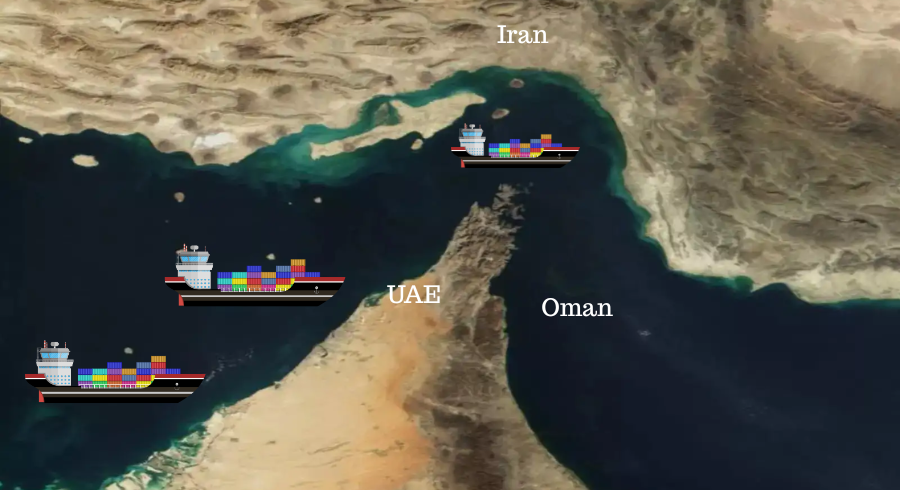
DOHA: Maritime authorities raised the threat level for vessels transiting the Strait of Hormuz to “severe” on Tuesday after a Qatari liquefied natural gas tanker was hit and a Saudi crude tanker was damaged near the key waterway.
The US Navy-led Joint Maritime Information Center raised the threat level from “substantial” to “severe”, citing deliberate hostile action under current conditions.
It was the first time the threat level had been raised to “severe” since June 15.
JMIC said the confirmed incidents showed that the threat environment remained heightened and required extreme vigilance.
It also warned mariners to expect continued naval presence, congestion along transit routes, and more intensive hailing by the Islamic Revolutionary Guard Corps.
The attacks renewed concerns over the safety of oil and gas shipments through the Strait of Hormuz, which handled about one-fifth of global oil and gas supplies before the conflict began on February 28.
Traffic through the strait has improved over the past week but remains uneven and far below pre-war levels.
Data from ship tracking service Kpler showed that about 16 vessels transited the Strait of Hormuz on Tuesday, the lowest level in nearly three weeks.
Average daily traffic through the strait has ranged between 25 and 40 ships over the past week, compared with about 125 sailings a day before the conflict.
The Al Rekayyat tanker, carrying liquefied natural gas, was hit on its port side, according to one source.
Another person briefed on the matter said the vessel was at risk of exploding because of a fire in its engine room. The crew was reported safe and was being evacuated.
Qatar’s foreign ministry blamed Tehran for the attack and said Iran bore full legal responsibility.
The ministry summoned Iran’s deputy ambassador and lodged a protest over the targeting of the tanker.
It was the first reported strike on a Qatari LNG vessel since the start of the Iran war on February 28. Qatar has been acting as a mediator in talks between the United States and Iran.
Nakilat, also known as Qatar Gas Transport Company Ltd, owns the Al Rekayyat tanker. The company did not respond to requests for comment. QatarEnergy, Qatar’s international media office and US Central Command also did not respond.
The Saudi-flagged Wedyan supertanker was also damaged off Oman’s coast while transiting the strait.
Saudi Arabia’s foreign ministry condemned the attacks and held Iran fully responsible for the damage to the Wedyan, which is owned and managed by Saudi shipping firm Bahri.
Bahri did not respond to requests for comment.
Iran’s Foreign Ministry spokesperson said commercial vessels using routes not coordinated with Iran, or tampering with ship tracking systems, faced risks and disrupted Iran’s efforts to facilitate safe passage through the Strait.
The spokesperson said Iran was working to fulfil its commitments.
There was no claim of responsibility for the attacks.
A US official, speaking on condition of anonymity, said initial indications suggested Iran had fired at two commercial vessels.
In a separate incident later on Tuesday, a tanker was struck by a drone while transiting the strait, according to the British Navy-affiliated UKMTO.
The vessel sustained minor damage but was able to continue to its next port of call.
The incidents disrupted a fragile détente between Washington and Tehran, which had been in place since late June when the two sides agreed to reopen the strait after a three-month war that disrupted global energy supplies.
The White House also revoked a licence granted to Iran in June that had allowed the country to sell oil as part of efforts to ease tensions.
The licence had eased decades-old sanctions and was one of the concessions linked to reopening the Strait of Hormuz.
Brett Erickson, managing principal at Obsidian Risk Advisors, said the revocation was a significant move by Washington because the licence had been one of the concessions Iran needed to justify lifting its blockade over the strait.
The White House warned Iran that its actions in the strait were unacceptable and would face consequences.
Oil prices rose after the attacks and the US decision to revoke the licence, with Brent crude nearing $76 a barrel in post-market activity.
Bob McNally, president of Rapidan Energy Group, said the attacks and the withdrawal of the Treasury waiver on Iranian oil sales showed that the ceasefire was not as solid as the market had assumed.
Shipping costs also increased as risks rose.
Average daily rates to load a ship inside the Gulf climbed to almost $300,000 a day, compared with below $200,000 a day last week, due to increased sailings and disruption in tanker flows.
Ship broker BRS said the stop-start reopening of Hormuz continued to inject volatility into Middle Eastern tanker markets by creating irregular movement of vessels in both directions.
The United States and Iran are still negotiating broader issues, including Iran’s nuclear programme and Tehran’s push for control over the Strait of Hormuz.
The two countries ended another round of talks last week without reaching a permanent agreement.
US President Donald Trump said on Monday that Washington would either reach a deal with Iran or “finish the job”, renewing the threat of military action.
Iran’s foreign minister said on Tuesday that talks on a final agreement would not begin if US threats continued.
Comments
No comments yet. Be the first to join the discussion!


