US Senate Democrats block $1.15 trillion defence bill over Iran war concerns
Lawmakers oppose military funding, citing lack of congressional approval for Iran conflict and proposed increase in defence spending.

US Senate Democrats on Tuesday blocked a $1.15 trillion National Defense Authorization Act (NDAA), citing concerns over the Iran war and President Donald Trump's decision to deploy US forces without congressional authorisation.
The procedural vote failed to advance despite passing by 50-46, as Senate rules required 60 votes in the 100-member chamber. The vote largely followed party lines.
All Republicans voted in favour except Senate Majority Leader John Thune, who voted against under Senate rules to preserve the option of bringing the bill back for reconsideration.
Senate Democratic Leader Chuck Schumer criticised the administration's handling of the conflict, saying Trump had entered the war "without authorization, without a strategy, and without an exit."
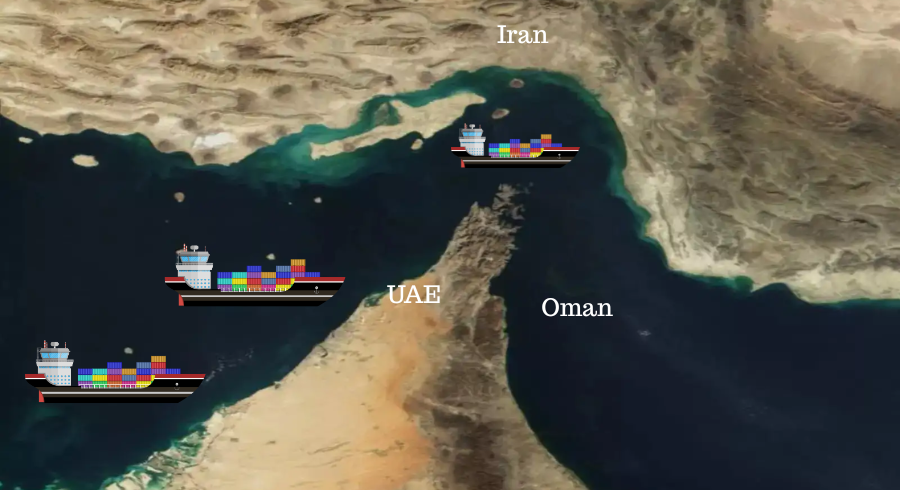
Democrats argued that approving the annual defence bill would effectively endorse the military campaign against Iran, which began after US and Israeli strikes on February 28. The vote came as the Trump administration announced it had reinstated a naval blockade of Iranian ports and launched another round of military strikes.
Lawmakers also objected to the administration's broader defence spending plans. In addition to the $1.15 trillion authorised under the NDAA, Trump has requested another $350 billion through the budget reconciliation process, which would allow the funding to pass without Democratic support. Democrats said the proposed increase in military spending comes as social programmes face budget cuts.
Urging support for the legislation, John Thune accused Democrats of prioritising politics over national security, saying the bill would ensure the US military remains prepared to address future threats.
The NDAA sets annual defence policy and funding, covering military procurement, troop pay, weapons systems and broader national security priorities. The legislation has been enacted every year for more than six decades and is traditionally considered one of the few bipartisan "must-pass" bills in Congress.
Despite Tuesday's setback, the legislative process is still in its early stages. The Senate and House of Representatives must each pass their own versions of the NDAA before negotiators reconcile the two bills into a final version, which would then require approval by both chambers before being sent to President Donald Trump for signature or veto.
Comments
No comments yet. Be the first to join the discussion!