Asian stocks rally as softer US inflation eases Fed rate hike concerns
Regional markets climb after cooling US inflation, while China's slower-than-expected growth tempers investor optimism.


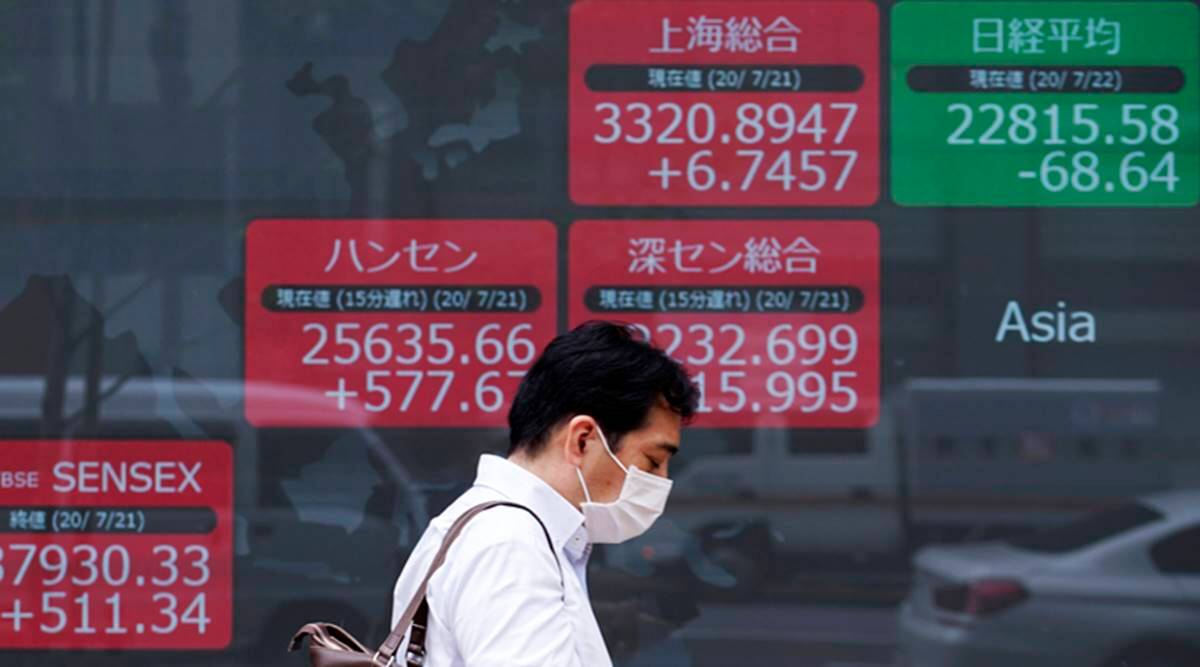
SINGAPORE: Asian stock markets advanced on Wednesday after weaker-than-expected US inflation data reduced expectations of a Federal Reserve interest rate hike, although signs of slowing economic growth in China capped gains.
Japan's Nikkei 225 rose 1%, while MSCI's broadest Asia-Pacific index outside Japan gained 2.4%. South Korea's KOSPI surged 7%, with investors turning their attention to upcoming earnings from Dutch chip equipment maker ASML, a key player in the artificial intelligence supply chain.
The rally followed data showing US inflation slowed more than expected in June. The headline Consumer Price Index (CPI) fell 0.4% month-on-month, its first decline since the COVID-19 pandemic, while annual core inflation eased to 2.6%, below market expectations of 2.8%.
The softer inflation reading pushed the yield on the two-year US Treasury down 11 basis points to 4.19% from a 17-month high of nearly 4.3%, prompting traders to cut the probability of a Federal Reserve rate hike in July to 16%.
Analysts at J.P. Morgan said the combination of lower inflation and solid corporate earnings had improved the outlook for equities, reducing concerns over near-term monetary tightening.
Wall Street also ended higher overnight, supported by strong earnings from major US banks. US stock futures extended those gains during Asian trading, although a 25% drop in IBM shares after a weaker-than-expected revenue forecast highlighted continued volatility in AI-related technology stocks.
In China, official data showed the economy expanded 4.3% year-on-year in the second quarter, missing analysts' expectations as weak domestic demand and higher energy costs linked to the Middle East conflict weighed on growth.
Despite the slowdown, investors were encouraged by stronger retail sales in June, resilient nominal GDP growth and expectations that Beijing could introduce targeted policy support.
"I don't think they will be worried enough to announce any big stimulus, but it is going to be targeted," said Woei Chen Ho, economist at UOB, noting that growth remains concentrated in the technology sector while broader economic activity continues to lag.
In currency markets, the Chinese yuan strengthened to a one-month high of 6.7635 per US dollar, while the euro remained above $1.14. The Australian dollar held onto a 0.8% gain and tested the $0.70 level.
Oil prices steadied after sharp gains earlier in the week. Brent crude traded around $85.80 per barrel, up nearly 13% over the past week as investors continued to monitor tensions in the Middle East. President Donald Trump has reimposed a naval blockade on Iranian ports and threatened further military action, although he withdrew a proposal to impose a 20% transit fee on ships using the Strait of Hormuz.
Investors are also awaiting earnings from BNY, Morgan Stanley, Johnson & Johnson, BlackRock, and United Airlines later in the day.
Comments
No comments yet. Be the first to join the discussion!