


The Independent Evaluation Department (IED) of the Asian Development Bank (ADB) has rated the Pakistan: Post-Flood National Highways Rehabilitation Project as less than successful, citing shortcomings in effectiveness and long-term sustainability.
According to a news report, in a validation report released this week, the IED found that while the project was relevant and efficiently implemented, it fell short of achieving key outcome targets and lacked sufficient evidence to demonstrate sustainability. The assessment contrasts with the project completion report, which had classified the initiative as successful.
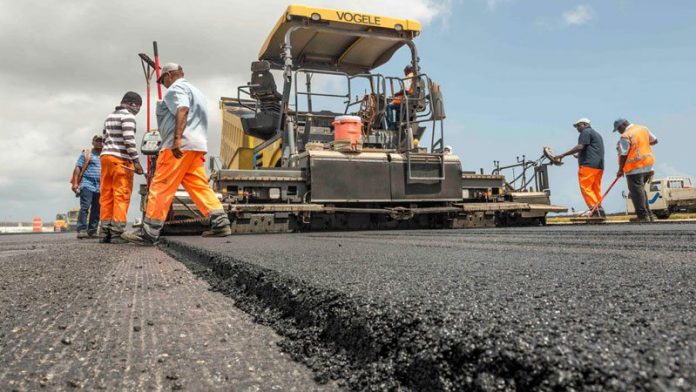
The project, launched after the 2010 floods, had an estimated cost of $218.8 million and was supported by an ADB loan of $196.9 million. It involved the rehabilitation of 201 kilometres of national highways and 21 bridges across Khyber Pakhtunkhwa, Punjab and Sindh, aimed at restoring transport links damaged by flooding.
As part of the initiative, Disaster Management Units were established within the National Highway Authority, and staff received training to manage traffic disruptions during post-disaster situations.
The evaluation noted that the project was implemented efficiently, with an economic internal rate of return of 17.1% at completion, compared with 20% estimated at appraisal.
However, the IED said there was insufficient evidence to confirm that intended outcomes, such as safer and more efficient traffic movement, were achieved. It also pointed out that 12 bridges originally included in the project scope were later cancelled and completed using government funding, weakening claims that all planned outputs were delivered under the ADB-financed programme.
Concerns were also raised about sustainability. While road maintenance in Pakistan is largely financed through toll revenues, the report said documentation did not clearly demonstrate that adequate operations and maintenance funding would be available to safeguard the rehabilitated assets over time.
The IED noted that although the project played a role in reconnecting communities affected by the floods, weaknesses in monitoring, incomplete outputs and uncertainty over maintenance financing reduced its overall performance rating.
The validation report recommended that a project performance evaluation report be prepared in 2026, noting that more than two years have passed since the project’s physical completion.