


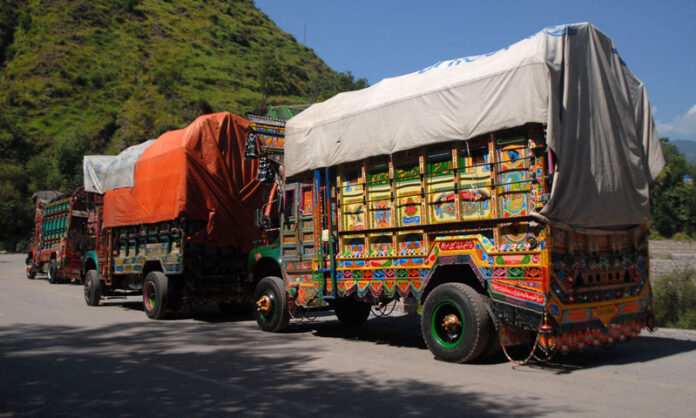
The Karachi Customs Agents Association has accused goods transporters of sharply increasing freight charges despite the conclusion of a week-long strike, warning that the move is adding to costs for businesses and delaying cargo clearance.
According to the association, truck rentals on several routes have risen from Rs20,000–30,000 per trip to Rs50,000–60,000, effectively doubling freight costs overnight. It said the increase has compounded financial pressure on traders already facing higher operating expenses, including demurrage and detention charges.
The KCAA appealed to transporters to restore pre-strike freight rates, saying a return to normal pricing was necessary to stabilise trade activity in the city. It also said repeated disruptions reflect weak coordination between the government and the transport sector, contributing to economic uncertainty.
KCAA General Secretary Sheikh Waqas Anjum said that although the strike ended on December 17 following talks with the government, logistics operations remain under strain due to vehicle shortages and traffic congestion.
He said a sudden surge in traffic after the strike had created bottlenecks at key points, including Gul Bai, Mauripur and major entry and exit routes serving port terminals. While port operations continue, congestion has slowed the movement and clearance of goods, he added.
He said poor road conditions, weak traffic management and a lack of coordinated planning have worsened the situation. He noted that roads around the Karachi International Container Terminal and the South Asian Pakistan Terminal remain in poor condition, leading to severe congestion as trucks and public transport compete for limited road space.
The association called on the government to involve customs agents, trade bodies, transporters and relevant departments in decision-making, particularly before policies are introduced that could disrupt logistics and trade.
It also proposed the creation of a permanent advisory committee to address transport and trade issues on an ongoing basis and reduce the risk of future disruptions.
The KCAA said improved coordination was critical to keeping Karachi’s trade infrastructure functional and preventing further losses stemming from inefficiencies in the transport and logistics system.