
The free market comes to Pakistan’s wheat crop
The state has been procuring and subsidising wheat production since 1968, claiming it is for the good of small farmers. In reality, it benefits everyone but the growers
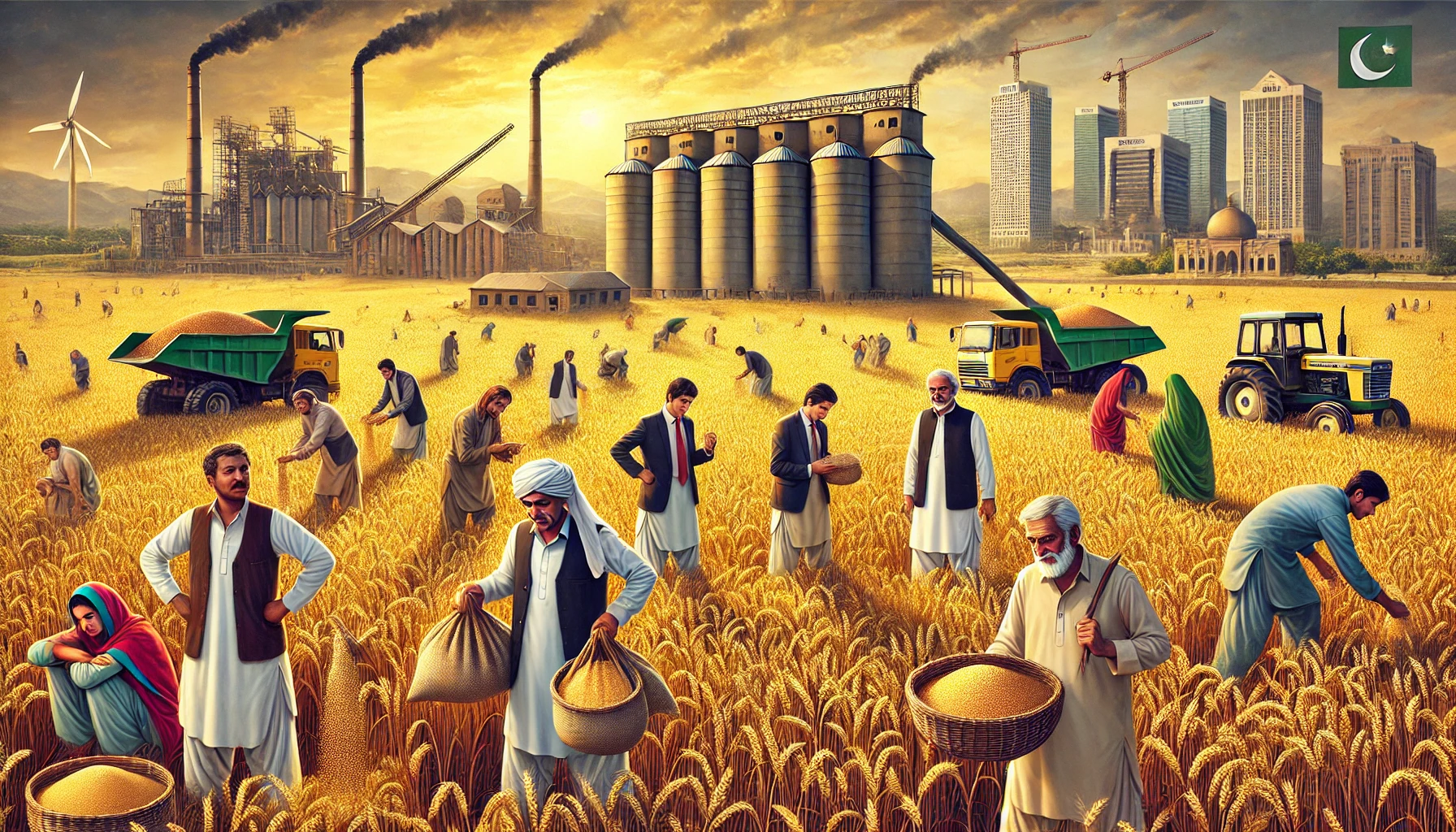
Two years. That is how long the Punjab Government has to phase out the wheat support price it issues every year. It is a subsidy addiction that has afflicted the entire country since at least 1968, but Punjab has year in and year out been the biggest offender.
The death knell for Pakistan’s massive wheat subsidy programme was sounded by the International Monetary Fund, which announced in early September that provincial governments would be barred from setting crop prices as part of its $7 billion bailout package, board approval for which Pakistan secured only a few weeks ago. It is possibly one of the reasons why the Punjab Government has abolished the provincial food department, replacing it with a new autonomous body.
The wheat support price is a bigger problem than one might realise. The concept behind wheat procurement is that the government buys wheat from farmers at a set rate which is higher than what they would get on the market so they continue to grow what is a strategically important crop. The problem is, provincial governments borrow heavily from commercial banks to fund these operations.
In 2023, for example, the wheat procurement target was 40 lakh tonnes and the government had set a price of Rs3,900 per maund (a unit of measuring weight equal to 40 kilograms), or around Rs97.5 per kilogram. To buy this much wheat from farmers at this rate, the government would need around Rs394 billion. Now, the government sells the wheat they acquire to flour mills at this rate so they do recover this money. However, the government relies on borrowing this sum from commercial banks. At an interest rate of 23% in 2023, the government would be paying around Rs90 billion in monthly instalments of 10 months through selling wheat to flour mills. The government also always procures more wheat than it needs and consistently has leftover grain from previous years in storage.
On top of this, the government also needs to spend tens of billions of rupees on handling, transportation and storage costs incurred by the PASSCO on a federal level. The government regularly fails to live up to its commitment with commercial banks, and over time, this has led to circular debt. In 2020, this had risen to Rs757 billion.
Why then do we insist on having these wheat support prices every year? The government will tell you that their aim is to give confidence and provide security to poorer farmers, as well as get cheap flour to the markets. They are lying. All indicators and an impressive body of academic literature on the topic tells us leaving crop prices up to market forces is what is best for farmers.
Subscribe to Continue Reading
The rest of this article is available exclusively to subscribers.

Abdullah Niazi is senior editor at Profit. He can be reached at [email protected]
View all articles →20 Comments
No comments yet. Be the first to join the discussion!


