Pakistan’s inflation stands at 11.1% in June as higher food prices continue to weigh on consumers
PBS says CPI fell 0.3% month-on-month; average inflation for FY2025-26 stood at 7.05% compared with 4.49% last year

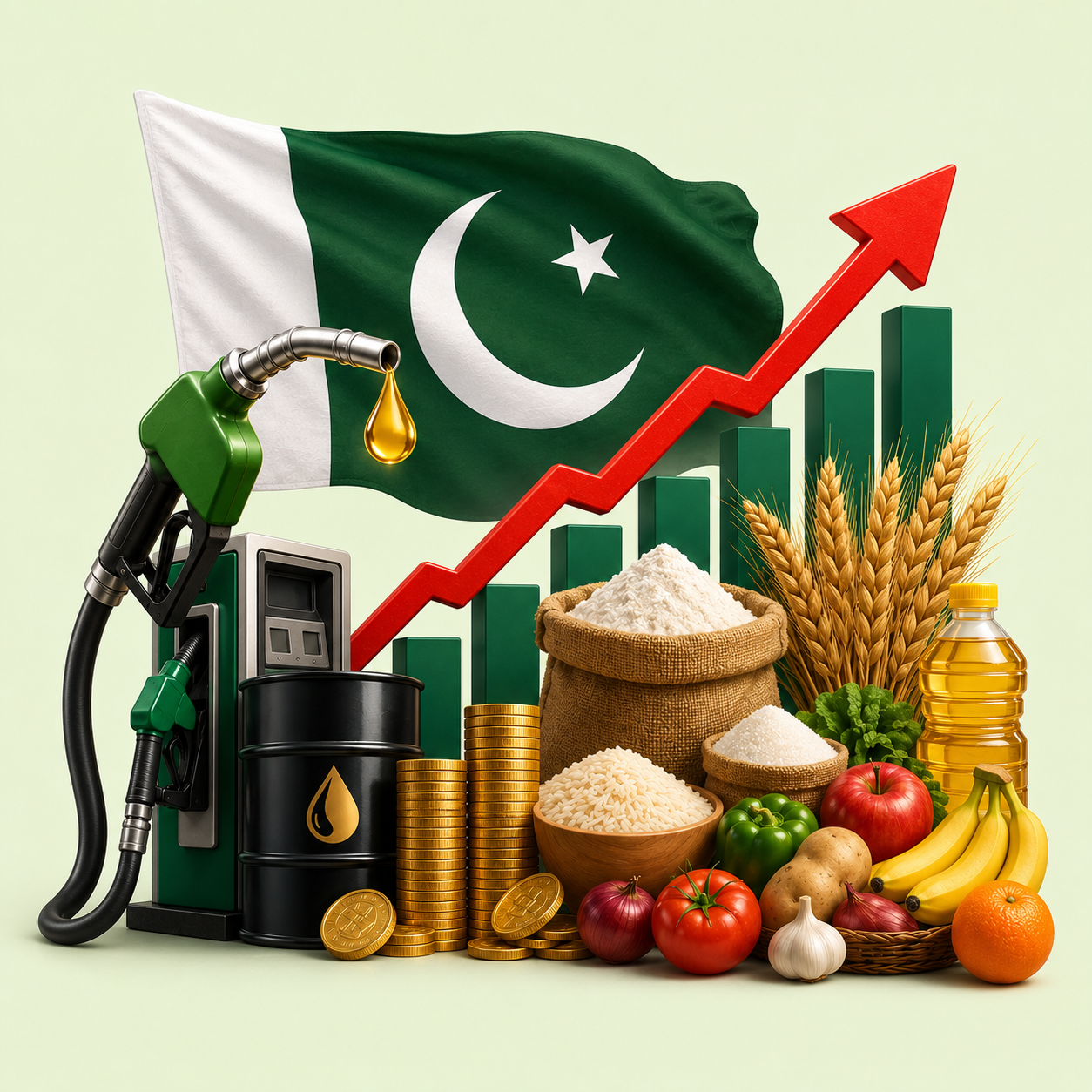
Pakistan’s headline inflation eased slightly to 11.1% year-on-year in June 2026 from 11.7% in May, but remained in double digits as higher food, housing and transport costs continued to weigh on consumers, according to the Pakistan Bureau of Statistics’ Monthly Review on Price Indices.
The slight decline in monthly inflation was mainly supported by a sharp fall in transport costs, although food prices rose during the month due to higher prices of tomatoes, onions, potatoes and fresh vegetables.
The National Consumer Price Index stood at 293.47 in June 2026, compared with 294.34 in May 2026 and 264.22 in June 2025. On a detailed basis, national CPI fell 0.30% month-on-month and rose 11.07% year-on-year.
Urban inflation stood at 11.2% year-on-year in June, down from 11.8% in May. On a month-on-month basis, urban CPI declined 0.5%. Rural inflation was recorded at 10.9% year-on-year, compared with 11.5% in the previous month, while rural prices remained almost unchanged on a monthly basis.
For the full fiscal year, average national CPI inflation stood at 7.05% during July-June FY2025-26, compared with 4.49% in FY2024-25 and 23.41% in FY2023-24. Urban average inflation was 7.12%, while rural average inflation was 6.95%.
The PBS data showed that food and non-alcoholic beverages rose 9.38% year-on-year at the national level and increased 0.96% month-on-month. Perishable food items rose 12.42% from May, while non-perishable food items declined 0.43% on a monthly basis.
Housing, water, electricity, gas and fuels increased 15.50% year-on-year but declined 0.40% month-on-month. Transport remained the highest year-on-year contributor among major groups, rising 25.72%, but fell 7.22% from May due to lower fuel-related costs.
Other year-on-year increases included miscellaneous items at 12.21%, clothing and footwear at 9.30%, education at 8.30%, health at 7.59%, furnishing and household equipment maintenance at 5.94%, restaurants and hotels at 5.38%, alcoholic beverages and tobacco at 3.32%, and communication at 0.86%.
In urban areas, CPI fell 0.47% month-on-month and rose 11.17% year-on-year. Urban transport costs declined 7.27% on a monthly basis but remained 28.12% higher than June last year. Housing, water, electricity, gas and fuels fell 0.67% month-on-month but rose 14.53% year-on-year.
Urban food prices increased 1.04% from May and 8.71% from June last year. The main monthly increases were recorded in tomatoes at 90.10%, onions at 20.80%, potatoes at 17.76%, fresh vegetables at 12.55%, wheat flour at 2.17%, wheat products at 2.12%, vegetable ghee at 1.85%, wheat at 1.72%, cooking oil at 1.53% and fresh milk at 1.27%.
Urban food items that declined during the month included chicken at 22.44%, eggs at 10.74%, pulse moong at 1.04%, pulse mash at 0.98%, beans at 0.89%, besan at 0.64%, pulse gram at 0.38%, fish at 0.37% and pulse masoor at 0.20%.
On a year-on-year basis in urban markets, wheat rose 64.69%, onions 60.08%, wheat flour 55.34%, tomatoes 52.01%, wheat products 16.72%, meat 14.52%, butter 13.91% and dessert preparation 13.62%. Potatoes fell 40.06%, eggs 33.18%, pulse gram 19.19%, besan 17.28%, sugar 15.84% and gram whole 14.47%.
Among urban non-food items, monthly increases were recorded in newspapers at 14.84%, dopatta at 3.78%, washing soap, detergents and match box at 1.96%, liquified hydrocarbons at 1.79%, tailoring at 1.74%, major tools and equipment at 1.66%, cotton cloth at 1.60%, medical tests at 1.48% and doctor clinic fee at 1.47%. Motor fuel declined 12.06%, personal effects 6.19%, electricity charges 4.31% and marriage hall charges 4.04%.
In rural areas, CPI declined 0.03% month-on-month and increased 10.92% year-on-year. Rural food and non-alcoholic beverages rose 0.87% from May and 10.13% from June last year. Perishable food items rose 13.07% month-on-month, while non-perishable food items declined 0.53%.
Rural monthly food inflation was led by tomatoes at 90.24%, potatoes at 36.53%, onions at 22.26% and fresh vegetables at 9.70%. Chicken fell 20.97%, eggs 11.55%, pulse gram 2.46%, besan 2.38%, pulse mash 1.83%, pulse masoor 1.59% and fresh fruits 1.48%.
On a year-on-year basis in rural areas, onions rose 83.59%, tomatoes 63.36%, wheat 62.51%, wheat flour 61.41%, wheat products 15.13%, dessert preparation 11.62%, fresh vegetables 10.67%, butter 10.35%, ice cream 10.02% and meat 10.02%. Potatoes declined 40.52%, eggs 33.67%, pulse gram 21.08%, besan 17.51%, gram whole 16.57% and sugar 15.34%.
The Sensitive Price Indicator for the lowest income quintile rose 12.82% year-on-year and 0.72% month-on-month in June. The combined SPI increased 15.04% year-on-year but declined 0.37% from May.
PBS said the SPI reading for the week ended June 25, 2026 was postponed due to Ashura holidays.
Wholesale inflation also slowed. The Wholesale Price Index fell 1.21% month-on-month in June but remained 10.69% higher than June 2025. In May, WPI inflation had increased 12.7% year-on-year and declined 0.8% month-on-month.
Within WPI, agriculture, forestry and fishery rose 0.94% month-on-month and 1.80% year-on-year, while ores, minerals, electricity, gas and water fell 1.41% from May but rose 5.69% from last year. Other transportable goods declined 5.07% month-on-month but remained 27.96% higher year-on-year.
On a monthly basis, WPI increases were led by vegetables at 30.53%, edible roots and potatoes at 22.93%, other leather at 10.87%, woven fabrics at 8.42%, medicines at 8.07%, oil cakes at 5.95%, other fabrics at 5.89%, raw hides, skins and fur skins at 5.25%, mobil oil at 4.57%, electric wires at 4.35% and fertilisers at 4.22%. Major monthly declines included poultry at 23.44%, kerosene oil at 19.87%, diesel oil at 15.06%, motor spirit at 14.17%, eggs at 12.02%, coal not agglomerated at 6.57% and maize at 6.50%.
On the other hand, the Finance Division in its Monthly Economic Update for June 2026 projected inflation at 11-12% for June 2026 and said lower international oil prices could reduce imported inflation and contain the oil import bill.
Comments
No comments yet. Be the first to join the discussion!