Pakistan seeks emergency LNG shipment as Qatar supply disruption hits imports
PLL issues fresh tender for July cargo after cancelled Qatari delivery amid Strait of Hormuz tensions, pushing Islamabad back into the spot market.
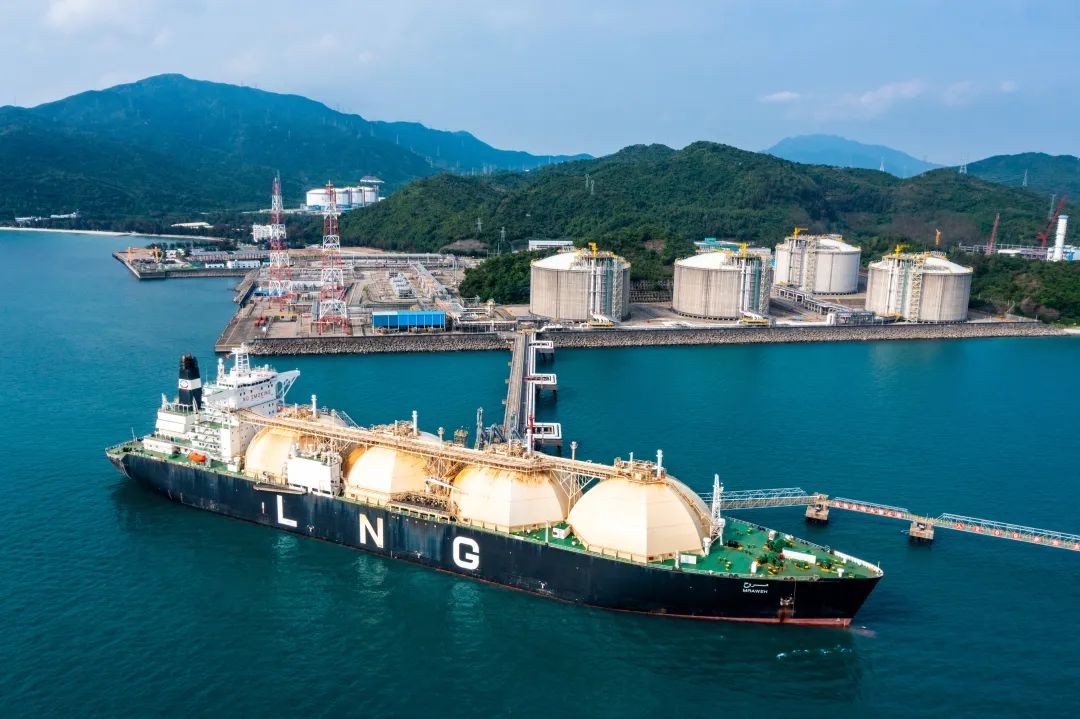
Pakistan has launched an emergency procurement of liquefied natural gas (LNG) after the cancellation of a scheduled cargo from Qatar disrupted fuel supplies, prompting authorities to source an alternative shipment from the international spot market, Bloomberg reported.
State-owned Pakistan LNG Limited (PLL) has invited bids for a cargo scheduled for delivery on July 15-16, with the tender closing on Friday, according to a notice posted on the company's website.
According to Bloomberg, citing traders familiar with the matter, the government approved the emergency purchase on Wednesday after a Qatari LNG cargo due this month was cancelled. The disruption is particularly significant as Pakistan sources nearly all of its LNG imports from Qatar under long-term supply agreements.
The cancelled shipment follows heightened instability in the Strait of Hormuz, where shipping activity has slowed amid renewed military confrontation between Iran and the United States. Bloomberg reported that a Qatari LNG vessel bound for Pakistan abandoned its transit through the strategic waterway earlier this week as regional security deteriorated.
The report said the latest escalation came after the United States carried out additional military strikes on Iran, with US Central Command (CENTCOM) saying the operation was intended to reduce Iran's ability to threaten freedom of navigation through the Strait of Hormuz following reported attacks on commercial shipping.
The supply disruption has also raised Pakistan's import costs. Earlier, the country secured an LNG cargo for July 10-11 delivery from TotalEnergies SE at $17.37 per million British thermal units (mmBtu) through a separate tender, Bloomberg reported. The purchase price was almost twice the rate under Pakistan's long-term LNG contracts with Qatar, underscoring the higher cost of relying on spot-market supplies during periods of geopolitical uncertainty.
Comments
No comments yet. Be the first to join the discussion!