



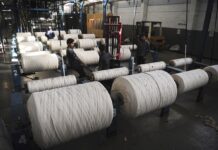












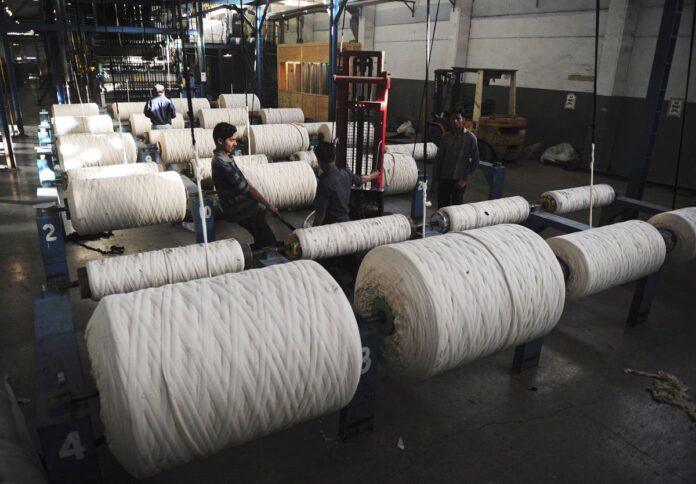
Thousands of textile and garment workers in Karachi are being exposed to hazardous levels of workplace heat as rising temperatures and poor factory conditions combine to create unsafe environments, according to a new report by Climate Rights International (CRI). Workers interviewed for the study described fainting, dehydration and physical collapse inside production units that lack adequate ventilation, cooling systems or medical support.
The report, titled “They Don’t See What Heat Does to Our Bodies”: Climate Change, Labour Rights, and the Cost of Fashion in Karachi, Pakistan, found that indoor temperatures in many facilities often exceed those outside, particularly in summer when machinery, fabric storage and crowded workspaces trap heat. Despite these conditions, factories continue full production schedules, leaving workers with little choice but to continue or risk wage cuts, reprimands or unpaid time away from their stations.
Testimonies collected for the investigation describe long shifts of 10 to 12 hours in confined areas where windows are kept shut to limit dust, worsening heat buildup. Workers said access to clean drinking water is limited or tightly monitored, discouraging frequent hydration. Reported symptoms of heat stress included dizziness, blurred vision, nausea and swelling, all consistent with prolonged exposure to high temperatures.
CRI noted that fainting incidents were common but rarely documented, and workers were often sent home without pay or treatment. For those earning between Rs32,000 and Rs40,000 per month, missing even a single shift can destabilise household finances. The report linked several facilities where these issues were documented to global clothing brands such as H&M, Zara (Inditex), GAP, Mango, ASOS, C&A, NA-KD, NEXT and IKEA through publicly available sourcing information. Among these companies, only NEXT currently issues supplier guidelines that specifically address risks from extreme heat.
H&M has indicated it may update its heat-safety policies in 2026, but most factories remain governed by general compliance rules that do not recognise high temperatures as a distinct hazard. Workers interviewed said factory conditions temporarily improve during audits, with more fans installed or clean water circulated shortly before inspections.
CRI found that most factories lack systems to monitor real-time temperature levels, and medical rooms—where present—often have no trained staff or procedures for handling heat-related emergencies. The report noted that dehydration is sometimes deliberately practiced by workers to avoid repeated trips for water, increasing risks of kidney strain, muscle fatigue and reduced cognitive function.
Pakistan’s labour laws guarantee safe working conditions and clean drinking water, but enforcement remains inconsistent. Karachi’s dense built environment and heat-retaining infrastructure intensify temperatures, while climate change continues to push national averages upward.
The report concludes that extreme heat is now a structural challenge for industrial labour in Pakistan, affecting productivity, workplace safety and broader public health.