The Pakistan Textile Council praised Finance Bill 2026-27 for abolishing super tax on exporters, cutting export levies and reshaping tax slabs, and urged further tax relief to boost export competitiveness.
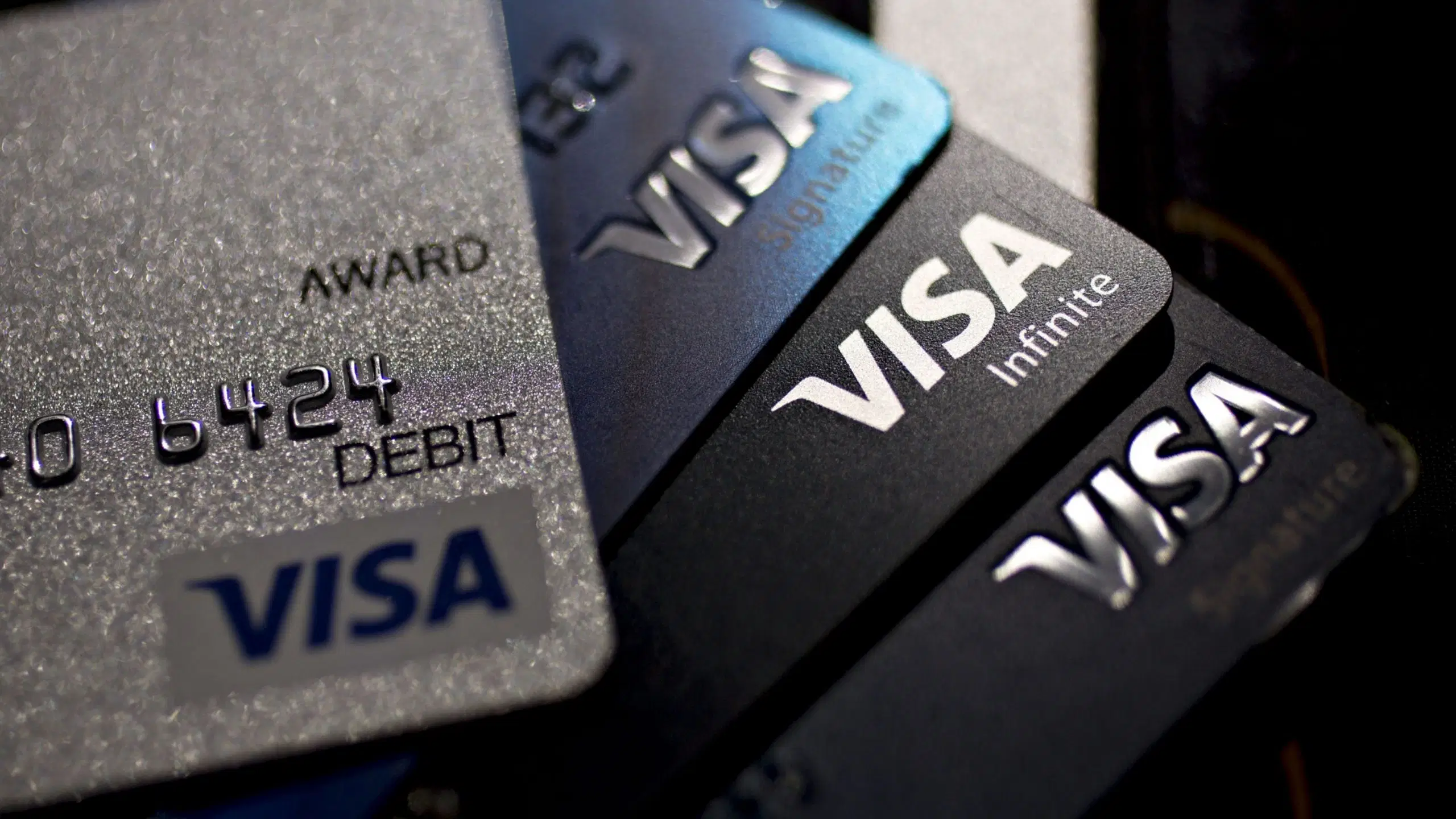
Budget 2026-27 proposes cutting withholding tax on international credit and debit card transactions via Pakistani cards from 5% to 0.5%, aiming to curb informal overseas transfers and boost formal digital payments.
Myco Holdings has led a pre-seed investment in BuyPass to scale Pakistan’s live video commerce model. The platform already tops 1M app downloads and nearly 500K monthly active users.
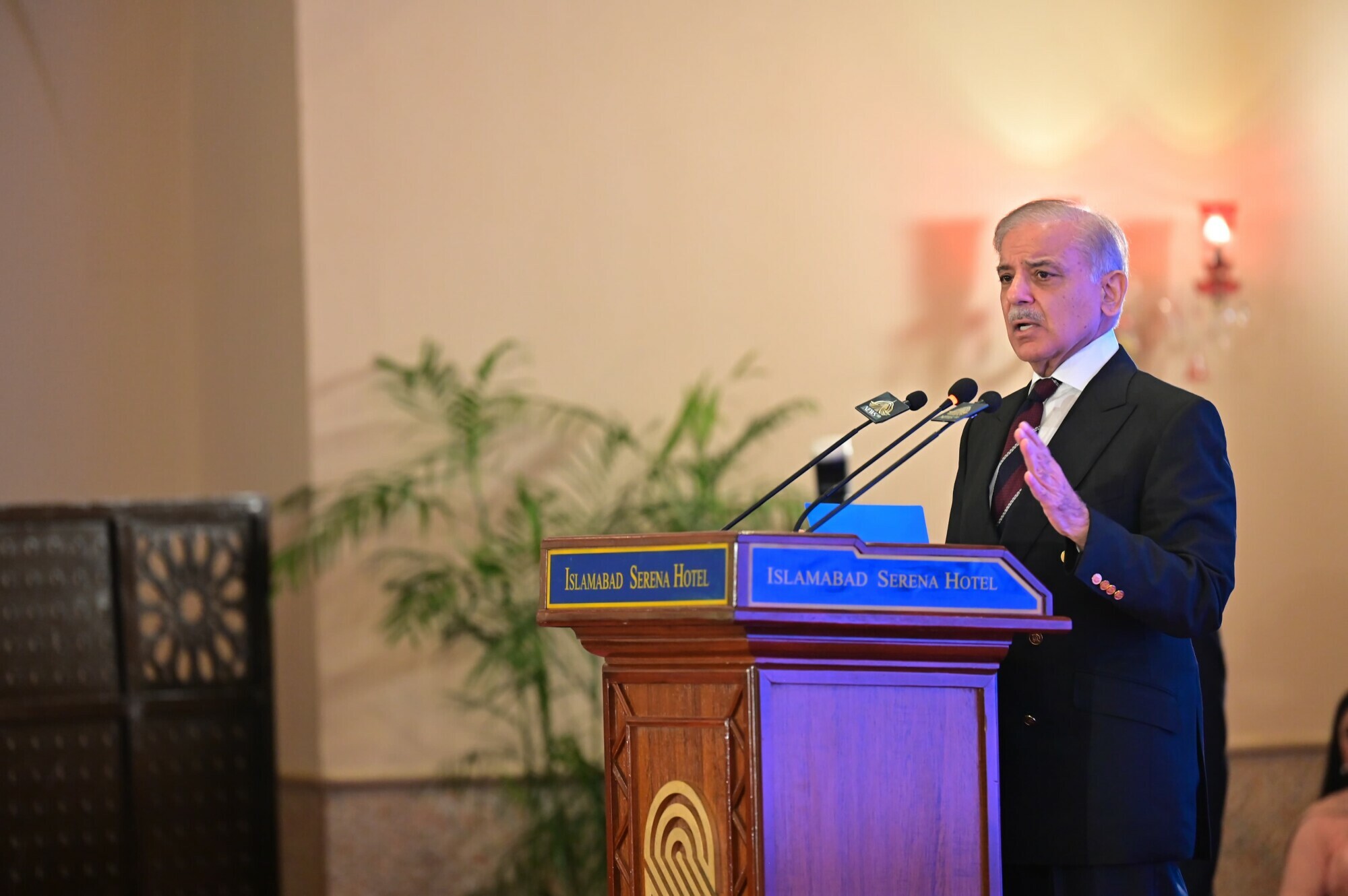
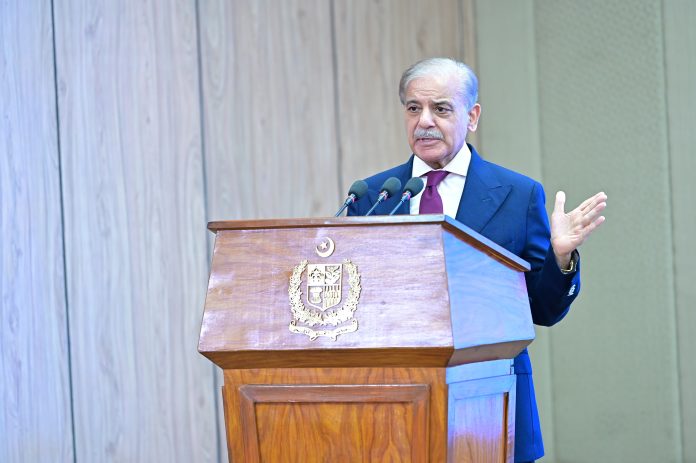
Ahead of Pakistan’s FY2026-27 budget, PM Shehbaz Sharif cites falling inflation, lower borrowing costs and a return to growth after stabilisation, as GDP growth reaches 3.7%.
Pakistan’s poverty rate climbed to 28.9% in 2024–25, reversing earlier gains despite macroeconomic stabilisation. The survey cites inflation, currency pressure, floods and weaker real incomes—along with widening inequality and high rural poverty.
Pakistan’s foreign exchange reserves held by the State Bank of Pakistan rose $25 million to $17.215 billion for the week ended June 5, 2026. Total liquid reserves reached $22.67 billion.
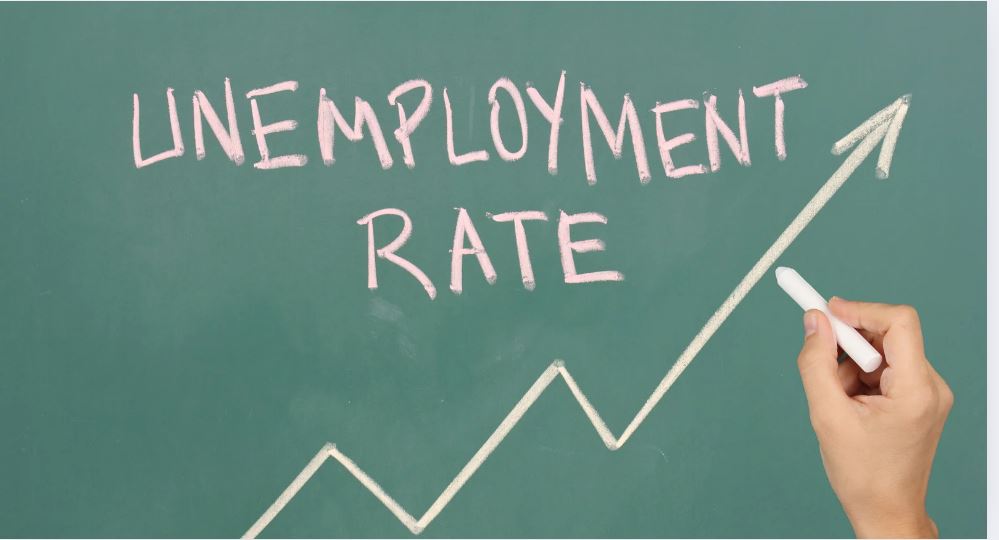
Pakistan’s unemployment rate climbed to 7.1% in 2024–25 as the labor force grew to 179.6 million. Employment rose, but unemployment also increased to 5.9 million, while participation improved.
Prime Minister Shehbaz Sharif ordered banks and authorities to speed up Apna Ghar housing approvals after loans reached Rs11 billion. He directed simplified procedures, 15-day processing, and district facilitation for applicants.
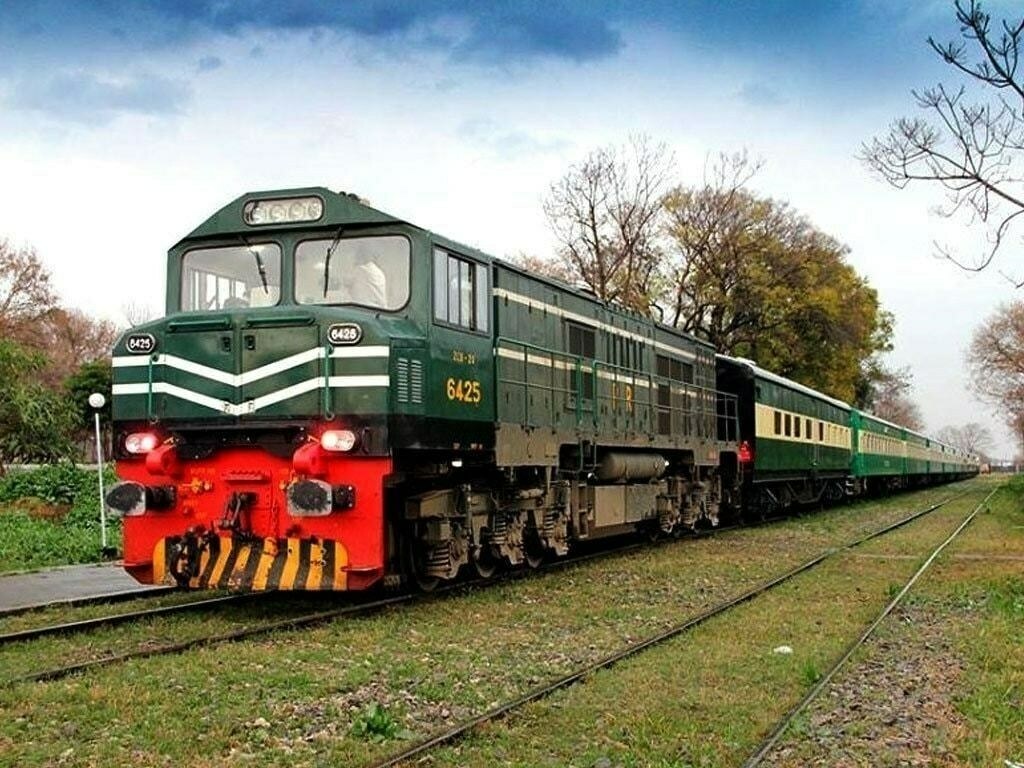
PM Shehbaz Sharif approved a reform roadmap for Pakistan Railways, prioritising freight, network modernisation, digitisation and governance. The plan targets higher capacity, upgraded corridors and private sector investment via PPPs.
Prime Minister Shehbaz Sharif calls for targeted growth incentives to expand exports, revive manufacturing and create jobs as Pakistan moves beyond macroeconomic stabilisation, ahead of the next economic phase.
The federal government reduced the PSDP for FY2026-27 to Rs1tn from Rs1.126tn, citing tighter fiscal ceilings and shifting priorities. Officials expect a focus on ongoing, strategic projects as provinces review plans.

 Headlines