Government trims development spending plans as budget priorities shift
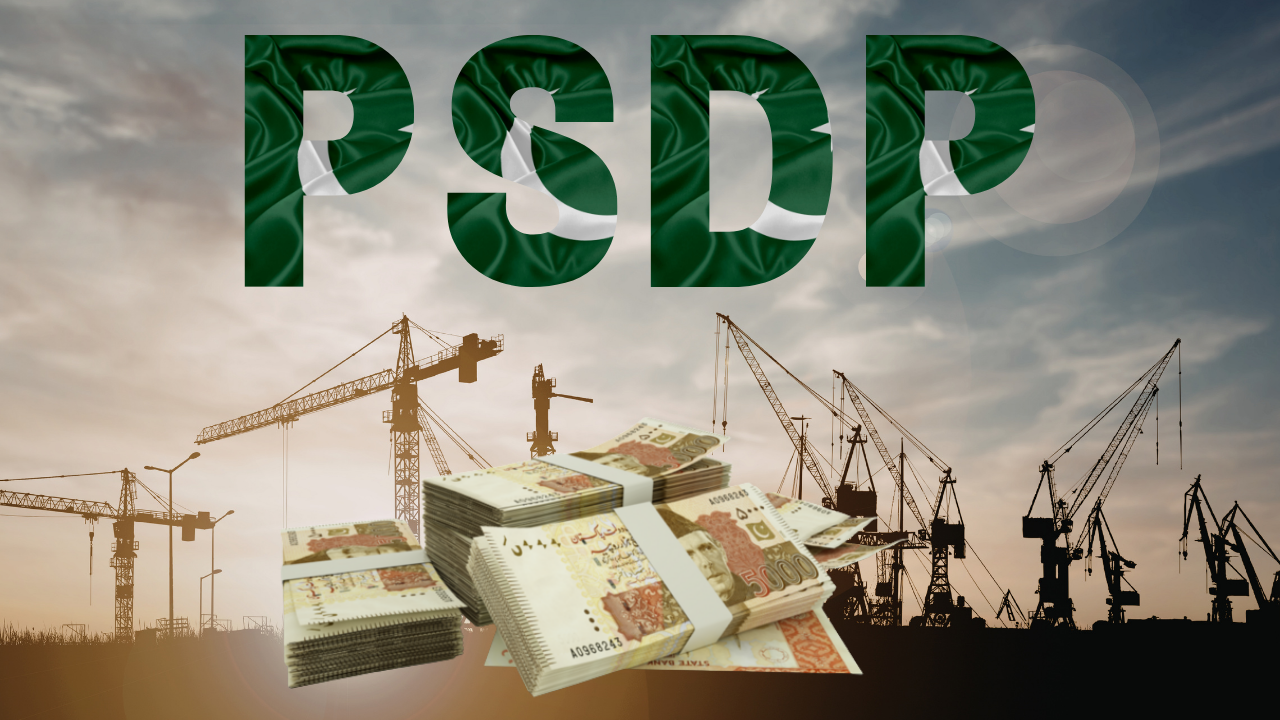
The federal government reduced the PSDP for FY2026-27 to Rs1tn from Rs1.126tn, citing tighter fiscal ceilings and shifting priorities. Officials expect a focus on ongoing, strategic projects as provinces review plans.

The federal government has revised down its proposed development spending for the upcoming fiscal year as it prepares to finalise the FY2026-27 budget under tighter fiscal conditions and competing expenditure priorities.
Planning Minister Ahsan Iqbal confirmed that the proposed size of the Public Sector Development Programme (PSDP) has been lowered from Rs1.126 trillion to Rs1 trillion following revised budgetary ceilings shared with the Planning Ministry. The updated allocation is expected to be presented before the National Economic Council (NEC).
The reduction represents a notable adjustment from the development envelope previously endorsed during annual planning discussions and reflects the government’s broader effort to recalibrate spending priorities ahead of the new fiscal year.
Federal development spending has already come under pressure during the outgoing year. The current year’s PSDP had also been revised downward, while utilisation remained below the original allocation, highlighting continued constraints on public investment execution.
Officials have indicated that the government intends to focus next year’s development programme primarily on ongoing and strategically significant projects rather than expanding the portfolio of new schemes. Infrastructure linked to long-term economic capacity and national priorities is expected to remain central to allocations.
At the same time, provincial governments are also reviewing their expenditure plans for the coming year. Provinces are expected to align development spending more closely with available fiscal space as part of wider efforts to support budget consolidation and accommodate national spending requirements.
The reassessment comes as policymakers attempt to balance growth-supporting expenditure with fiscal discipline. Development budgets have increasingly become an area of adjustment as authorities seek to manage financing needs while maintaining commitments under broader macroeconomic stabilisation efforts.
Water and infrastructure projects continue to feature prominently in planning discussions, with investment in large-scale projects seen as important for addressing future resource and capacity requirements.
The budget process has also included deliberations around tax policy and expenditure management. Measures under consideration are expected to provide some relief to salaried taxpayers through revisions to income tax structures while also examining targeted support for businesses and exporters.
Business groups and taxpayers have argued for adjustments to improve competitiveness and ease cost pressures, although final measures will depend on the overall fiscal framework adopted in the budget.
The FY2026-27 budget is expected to outline how the government intends to balance development ambitions, expenditure pressures and revenue targets while maintaining progress on broader economic stabilisation goals.
Comments
No comments yet. Be the first to join the discussion!