
May 11, 2026
We did the math on Pakistan’s EV bikes. The results aren't pretty
Everyone from flashy startups to the government is selling the electric two-wheeler revolution. But a revolution requires the masses. And the truth is unless you’re a high-mileage Foodpanda rider or a student learning to ride, switching to electric right now does not make a lot of financial sense. Here is the full math the industry won't show you

May 11, 2026
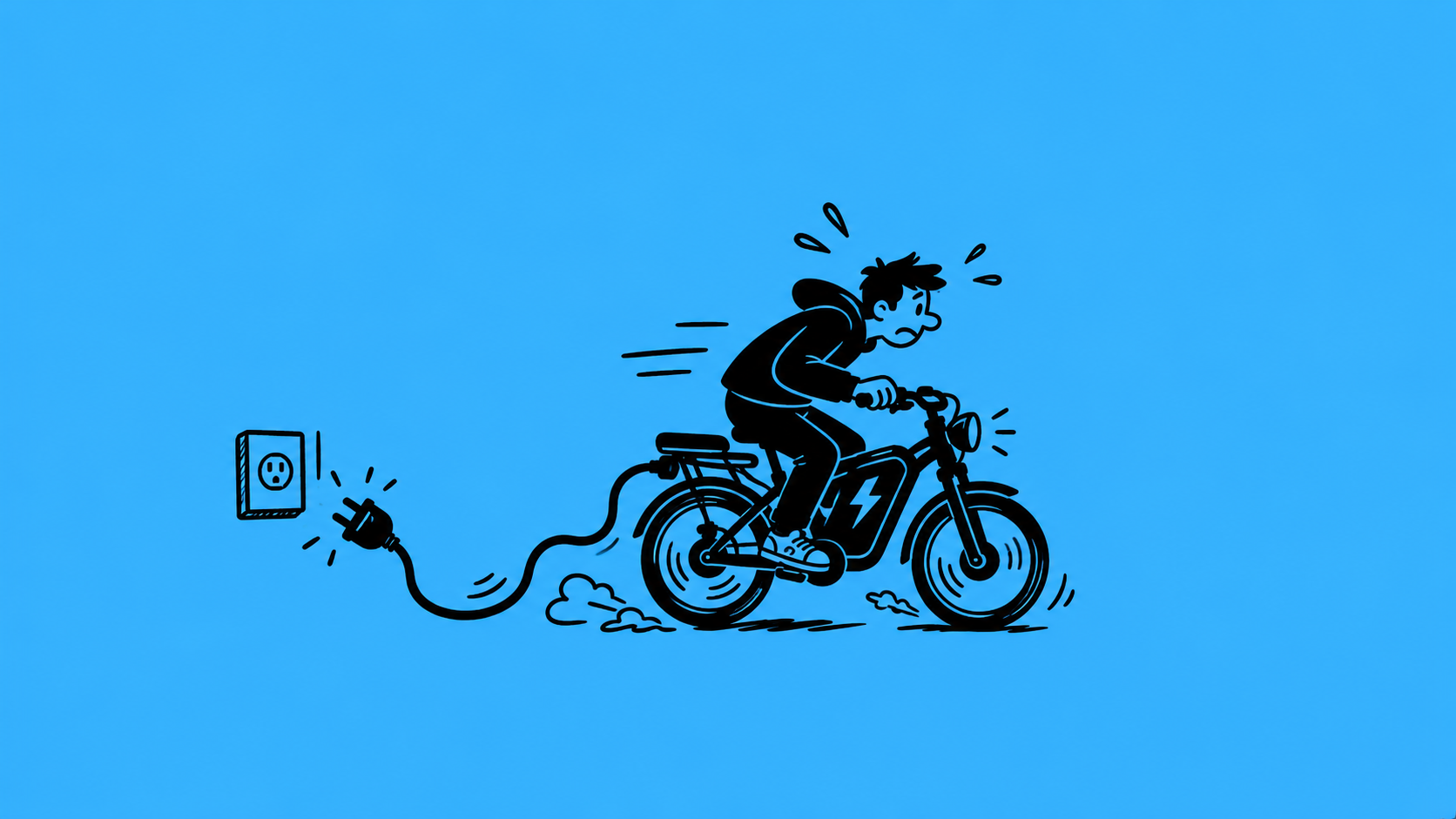
This story is, essentially, exactly what the headline and shoulder say. And if you have the sort of blind faith in Profit’s math that gives you the luxury to make decisions based on just those two things, then by all means skip everything that is to come. Because we have a feeling that the sort of person that picks up a feature length cover story comparing electric bikes to petrol bikes for different segments probably wants to see the receipts (Subscribers can download our analysis sheet at the end of the article) . And if that is you, then buckle up because the results are not what Pakistan’s growing e-bike industry would like you to believe.
So without further adieu: The electric bikes market in Pakistan is more crowded and possibly more contentious than a Mughal family reunion. There is a veritable flood of fresh, new contenders with their own bright ideas mulling about trying to cobble together alliances and followers. All of them think it should be them next. All of them can’t say it in public but they are annoyed that others exist. And all of them are at least a little scared that all their planning and dreams will never work out because the Emperor is never going to die.
In Pakistani mobility, that might just prove to be the case. Because the Emperor is less King and more Myth. The mighty CD 70 was first introduced to the Pakistani market in 1962 and has outlasted all manner of challengers. And as things stand, it will most likely survive the flood of e-bikes that are hitting Pakistan.
Very bluntly put at the moment, for the vast majority of commuters the savings do not justify the investment, and they definitely do not justify the risk. On top of this, range anxiety continues to be a major factor that is preventing these bikes from breaking through. On paper it might make sense for electric bikes to come in and sweep the market. After all, There are over 2.5 crore motorbikes in Pakistan, with 15 lakh sold every year. Along with rickshaws, bikes consume around 40% of Pakistan’s petrol — all imported. Switch to electric bikes and, especially given Pakistan’s solar glut, you solve a pretty big problem.
But getting the masses to adopt electric bikes has proven difficult everywhere in the world. A summary of Profit’s analysis indicates that EV motorcycles make sense for a relatively narrowly defined commuter.
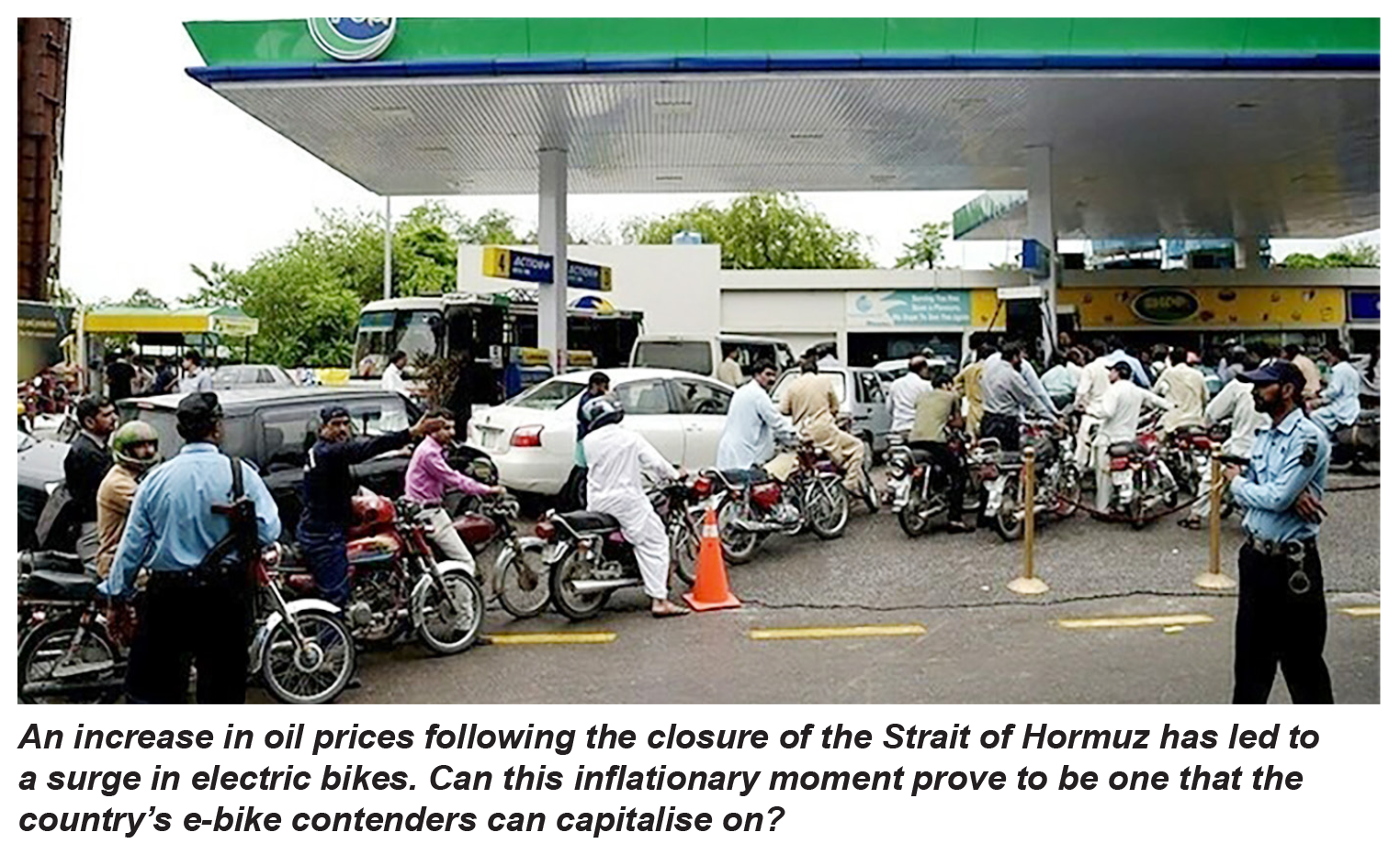
That said, even though electric bikes do not make sense right now, it does not mean a path forward is impossible. The sea of ideas that have hit the market to make electric bikes common are clearly coming from a belief that this can work in Pakistan. And besides private enterprise, the government also has an interest in making this work. Together, these stakeholders might be able to bring the masses on board.
But as far as the buyers of electric bikes are concerned, let us start with the cost trade-offs for each type of buyer categorised based on their usage needs.
Subscribe to Continue Reading
The rest of this article is available exclusively to subscribers.
20 Comments
No comments yet. Be the first to join the discussion!


