Finance minister calls for NFC formula to reward provinces for slowing population growth
Muhammad Aurangzeb says population carries 82% weight in resource distribution, while Mustafa Kamal warns Pakistan’s 241 million population is growing at 2.55% annually, welcomes tax cuts on contraceptives and menstrual hygiene products

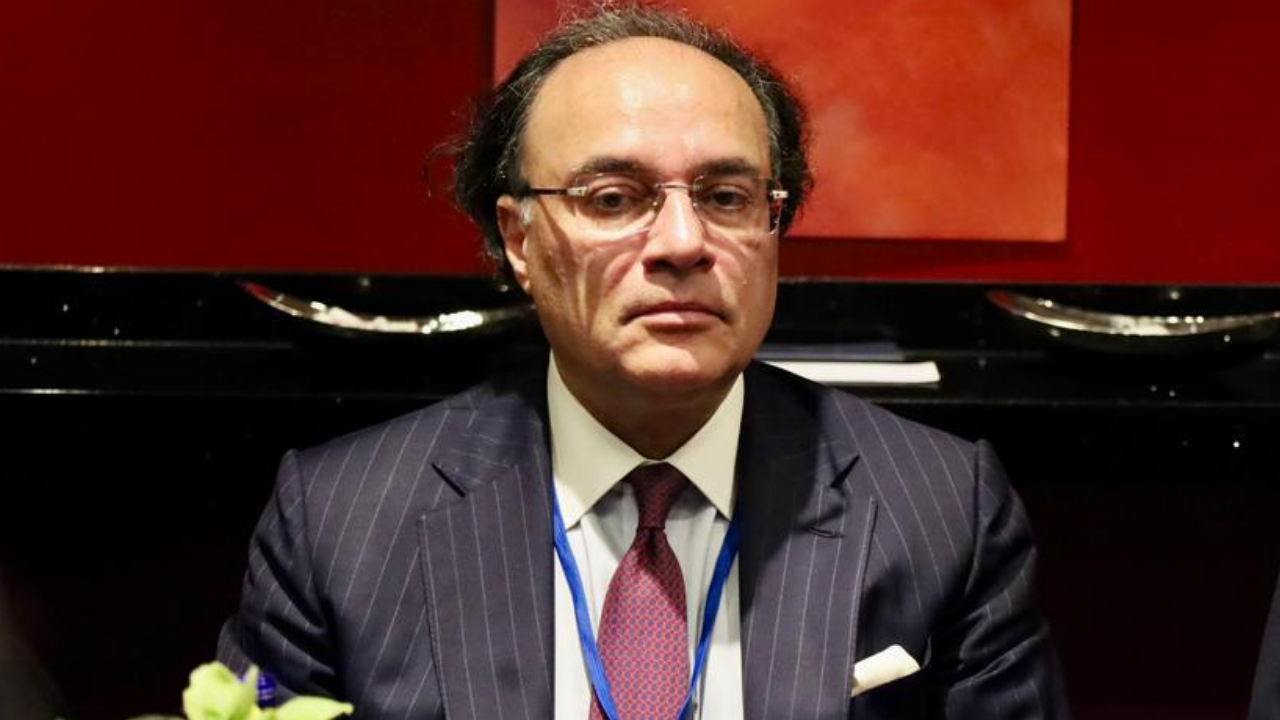
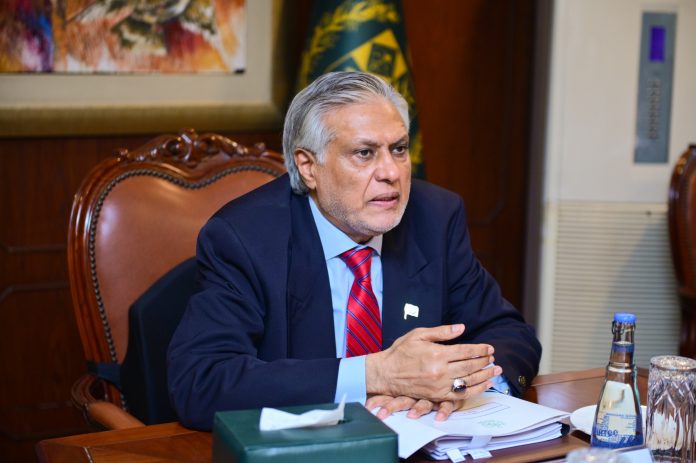
Federal Finance Minister Senator Muhammad Aurangzeb on Wednesday called for a review of the National Finance Commission Award so that provinces are rewarded for improving family planning, human development and population outcomes instead of receiving resources largely on the basis of population size.
Speaking at the World Population Day 2026 ceremony in Islamabad, Aurangzeb said population currently carries an 82% weight in the NFC distribution formula and argued that the framework should create incentives for provinces to stabilise population growth.
He described rapid population growth and climate change as Pakistan’s two biggest existential challenges, warning that long-term economic development would remain difficult without addressing both.
The finance minister said around $600-700 million was available for population-related initiatives and that demographic trends needed to be incorporated into fiscal and development planning.
He added that the government, in coordination with the Ministry of National Health Services, was preparing a 10-year National Population Stabilisation Programme.
Aurangzeb said greater spending on healthcare, education, skills and employment was needed to turn the country’s expanding population into an economic asset rather than a burden.
Federal Health Minister Syed Mustafa Kamal said Pakistan’s population had reached around 241 million and was increasing at 2.55% a year, placing growing pressure on healthcare, education, jobs, food supplies, infrastructure and public finances.
He said nearly 11,000 women die annually from complications linked to pregnancy and childbirth, while about 400,000 children lose their lives each year to preventable causes.
Kamal added that Pakistan’s fertility rate of around 3.6 children per woman remained above that of several neighbouring countries, making wider access to voluntary family planning, maternal healthcare and birth-spacing services essential.
The health minister also welcomed the federal government’s decision to remove taxes on contraceptives and menstrual hygiene products, saying it would improve access to basic health supplies.
Chairman Senate Syed Yousaf Raza Gillani said population management required coordinated policies on health, education, employment and food security, while parliament would continue to support legislation on girls’ education, youth empowerment, family planning and responsible parenthood.
The event was jointly organised by the Ministry of National Health Services, Regulations and Coordination, UNFPA and development partners under the theme, “Realising the hopes and aspirations of young people – today and for the future.”

Our monitoring team diligently searches the vast expanse of the web to carefully handpick and distill top-tier business and economic news stories and articles, presenting them to you in a concise and informative manner.
View all articles →Comments
No comments yet. Be the first to join the discussion!