


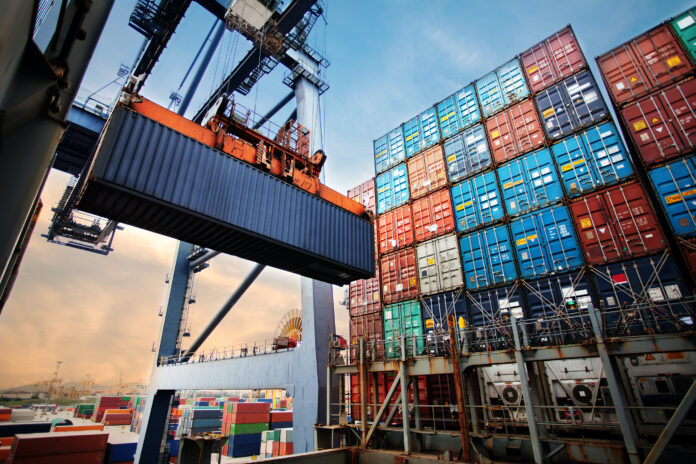
Cargo movement at Karachi ports has failed to return to normal despite the end of a seven-day transporters’ strike on December 17, with congestion and delays continuing across key port access routes, industry representatives said.
The congestion has highlighted infrastructure bottlenecks, particularly at South Asia Pakistan Terminal, where container traffic, residential vehicles, and public transport rely on a single access road. Conditions around the Karachi International Container Terminal were also cited as problematic due to poor road quality and lack of traffic regulation.
Freight rates have risen sharply following the strike, with routes previously costing Rs20,000–30,000 now quoted at Rs50,000–60,000. Industry representatives said the higher transport costs are being passed on to consumers.
Sheikh Waqas Anjum, General Secretary of the Karachi Customs Agents Association, said the formal end of the strike did not translate into operational normalcy. He noted that container movement remains severely constrained in areas such as Gulbai, Mauripur, and around terminal zones, even though customs clearance and terminal operations continued during the strike.
Traders are also facing demurrage and detention charges due to delayed container movement, increasing overall business costs. The association said this was the second major transport strike in Karachi within a year, attributing recurring disruptions to weak coordination between authorities and the transport sector.
The KCAA has called for the formation of a consultative committee involving government departments, trade bodies, and transporters to address disputes before they escalate and disrupt port operations.