


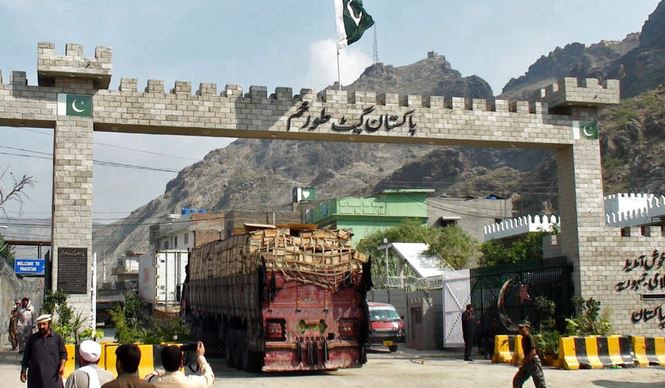
Peshawar:Seventy-two days after the Pak-Afghan border was closed, life in Peshawar’s markets tells a mixed story. For many households, there is unexpected relief as the prices of daily essentials continue to fall. For traders and the wider economy, however, the situation is becoming increasingly painful.
With cross-border trade at a standstill, business activity has slowed sharply. Yet in local bazaars, the impact is being felt differently. Sugar is now selling for around Rs150 per kilogram, and despite the halt in jaggery supplies from Afghanistan, the overall price trend remains downward.
Vegetable prices, in particular, have dropped to unusually low levels. Tomatoes are available for Rs50 per kg, cabbage for just Rs20, potatoes for Rs40, white potatoes for Rs30, onions for Rs80 and lemons for Rs70 per kg. Other items such as round brinjal, pumpkin and peas are also selling at reduced rates, giving consumers some breathing space in their monthly budgets.
Traders say this price relief is largely due to falling demand and disrupted imports and exports caused by the prolonged border closure. The pressure is visible across markets, with meat sellers reporting a sharp decline in sales as inflation continues to squeeze purchasing power.
Economists note that if the border remains closed until Ramadan, prices in Peshawar may ease further. However, they warn that such short-term relief comes at a long-term cost. Prolonged disruption could weaken the province’s trade network and overall economic health.
Business leaders estimate losses running into billions of rupees. Many people linked to Pak-Afghan trade have been left without work, while the government is also losing substantial revenue in taxes and duties.
Across the border, Afghan traders paint an equally grim picture. They report that the prices of food items previously exported from Pakistan have risen several times over, underlining how deeply interconnected the economies on both sides of the border truly are.
For now, shoppers may welcome the cheaper groceries—but behind the lowered price tags lies a growing economic strain that could take much longer to heal.