













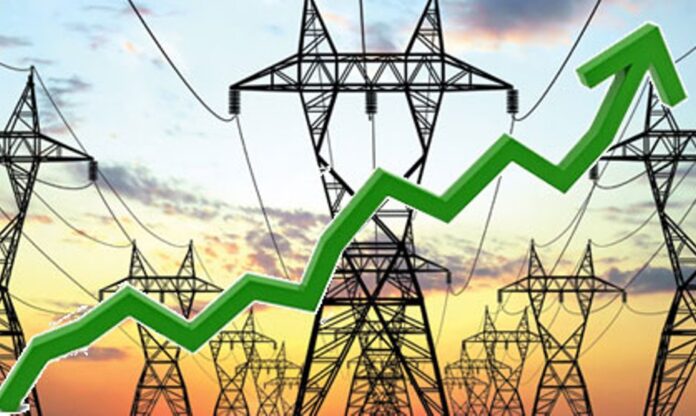
Pakistan’s industrial sector opposed any increase in the base tariffs of power distribution companies, warning that further hikes would worsen production costs and deepen the decline in exports. The objections were raised during a recent public hearing by the NEPRA on interim tariff rebasing for Islamabad, Faisalabad and Lahore distribution companies for the six-month period from July to December 2026.
According to a news report, the hearing was convened after the federal government shifted the annual tariff rebasing schedule from July to January, requiring all Discos to obtain revised consumer-end tariff determinations. NEPRA said the mid-year transition would directly affect consumers, prompting the need for an interim review before the new rebasing cycle becomes effective from January 1.
During the session, the three Discos sought revisions in their Net Distribution Margins to account for higher salaries, post-retirement benefits, repair and maintenance costs and transport expenses.
IESCO projected an NDM of Rs26.307 billion at Rs4.22/kWh for July–December 2026 based on expected sales of 6,238GWh, compared to its previously determined rate of Rs3.94/kWh.
FESCO sought an NDM revision to Rs3.99/kWh on projected sales of 8,043GWh, up from the earlier determination of Rs3.57/kWh.
LESCO requested an NDM of Rs70.912 billion for the January–December 2026 period at Rs3.01/kWh and sought additional allowances for pending motions and prior-year adjustments.
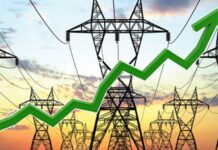
Industry representatives rejected the proposed increases, warning that electricity consumption had already dropped due to high tariffs and would continue to fall unless rates were reduced. They cautioned that industrial tariffs could approach Rs55/kWh at the current pace of escalation and noted that effective rates had already crossed 13 cents/kWh, a level they described as unsustainable for manufacturing.
Participants said that export-oriented industries were unable to absorb further cost pressures. They highlighted that despite the rupee’s relative stability and reduced reliance on expensive RLNG, electricity prices had risen by nearly 20% over the past six months, significantly raising production costs in dollar terms and undermining export competitiveness.
They argued that higher tariffs would depress demand further, erode industrial viability and widen the supply-demand gap in the power sector. The industry also pointed to stalled outcomes from earlier digital tracking and compliance programmes, noting that substantial fees had already been paid with little tangible progress.
In response to feedback, NEPRA said it would examine a proposal for third-party inspection of defective meters instead of relying solely on Discos. The regulator will now finalise its interim determination after reviewing the revenue requirements presented by the companies and the concerns raised during the hearing.