December 30, 2019
As it grows, Habib Metro's compliance struggles to keep pace

December 30, 2019
It is the most cliche of cliches, but it is so widely cited exactly because it has a point. Getting to the top is not the hardest thing, it is staying balanced on the precarious perch that is the real challenge.
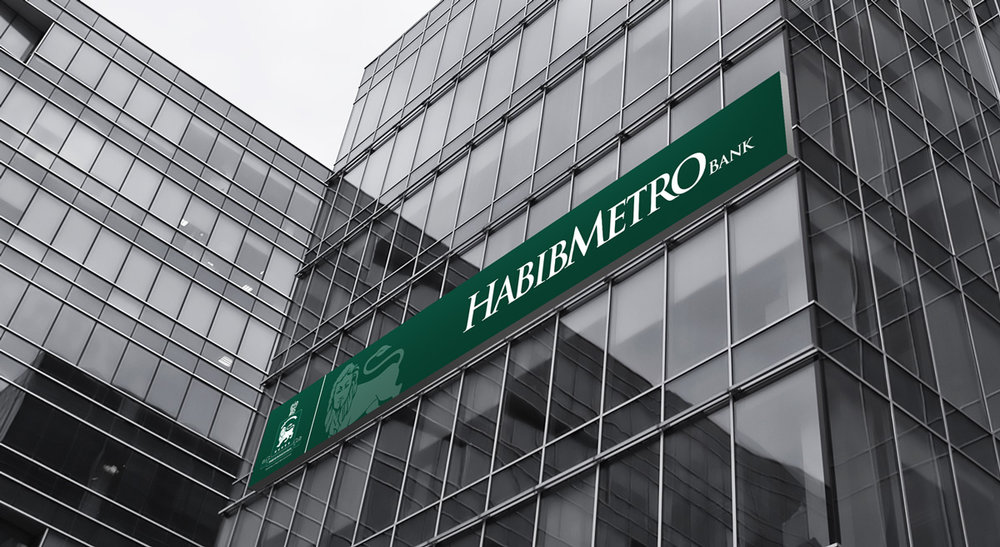
Habib Metropolitan Bank (HMB) has managed to make the ascent, but just as they were planning on getting to a place they could cosy up in, it seems that the State Bank of Pakistan’s (SBP) new regulations are already giving them a bit of a woozy.
At a recent analyst briefing delivered by the bank touted impressive numbers for 2019, with HMB’s deposit base increasing by 18% year-over-year during the first nine months of 2019. And unlike most other banks, it has been able to profitably deploy those rising deposits into loans. The bank’s loan book grew at an average annual rate of 33% as of September 30, 2019, compared to the same period last year. The banking sector as a whole saw its loan book increase by just 6% during that time.
And the rapid growth in deposits is not the result, as in the case of some other banks, of a strategy of raising expensive deposits from corporate or high net-worth individual accounts. Current accounts at the bank, which are the cheapest possible source of funding for a bank since they carry a 0% interest rate for almost all customers, rose by 24%, higher than the overall growth rate in deposits for the bank.
That means that the proportion of the bank’s deposits that come from cheap current (checking) accounts rose over the past year. In other words, the bank is able to organically grow its deposit base at 18%, faster than the banking industry (which grew by just 7.6% during the same period), and it is able to profitably deploy those deposits into private sector lending.
Nonetheless, while the bank was able to grow its loan book, a substantial portion of its deposit increases went into government bonds. The bank’s loan book grew by Rs33.8 billion during the first nine months of 2019, while deposits grew by Rs57.7 billion. The bulk of the difference between the two is accounted for an increase in the bank’s investments into government bonds.
The management had a targeted growth strategy, which led to expansion in the bank’s loan portfolio in the recent past, restricting dividends to manage adequacy ratio requirements. That has helped the bank improve its capital ratios.
“The bank’s Tier I capital ratio currently stands at 13.3%, while Tier II stands at 13.86% (minimum requirement is 12.5%), slightly lower than the management’s comfortable buffer of 1.5% above the Tier II capital adequacy ratio,” wrote Amreen Soorani, the deputy head of equity research at JS Global Capital, in a note issued to clients on December 17, 2019.
Despite the impressive numbers, however, the current topic on everyone’s mind at HMB is regulatory compliance and controls. While it may have been a good year for the bank, all of their spoils may easily be washed away if the SBP is miffed, and the SBP looks in a stingy mood.
At the analyst briefing, management stated that they are taking key steps to further upgrade compliance and controls by means of relevant human resource induction, software up-gradation etc.
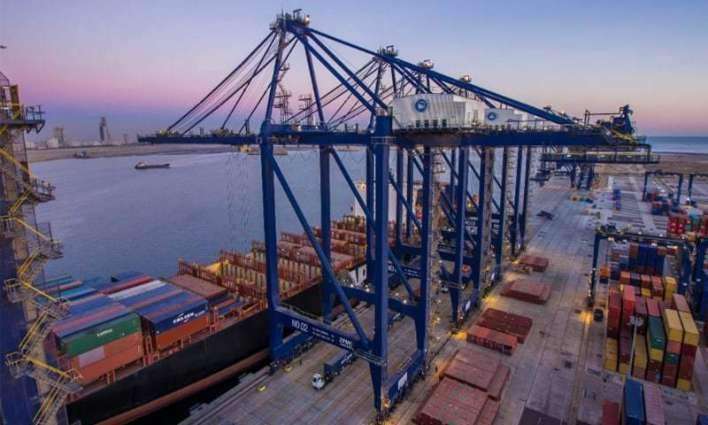
The bank claims that their focus on the trade finance business, where they are already market leaders in the export business, would continue despite competitive margins. However, the current headache is clear, and if they are to achieve their target to accumulate the stock at prevailing market price, then they will have to get their heads down and get complying.
The problem for HMB, along with every other bank in Pakistan is that the Financial Action Task Force (FATF), the multilateral global group dedicated to fighting money laundering and terrorism financing, has a strong focus on compliance at Pakistani banks, with a particular focus on ensuring that the banking sector does not serve as a conduit for terrorism financing.
For trade financing banks like HMB in particular, where they frequently move money across borders for their clients, the level of scrutiny is even greater, particularly in light of the compliance troubles at Habib Bank, which was forced by the New York State Department of Financial Services to shut down its operations in the global financial capital for failure to improve its monitoring of suspicious transactions.
While HMB does not have a branch in New York, it is a subsidiary of Habib Bank AG, the Switzerland-incorporated parent company of the group. (Habib Bank AG has no current relationship with Habib Bank Ltd, the largest bank in Pakistan.) And Swiss authorities have been collaborating quite closely with financial regulators in the United States to crack down on money laundering, tax evasion, and other financial crimes.
Habib Metro is the smallest among the three “banks named Habib” in Pakistan, named after Habib Esmail, the founder of Habib Bank Ltd, the bank that is now the largest in the country. It is majority-owned by the descendants of Habib’s third son, Mohammedali Habib (as opposed to Bank AL Habib, which is majority-owned by the descendants of Mohammadali’s elder brother Dawood Habib).
All of the Habibs are now Swiss citizens, but their banks in Pakistan remain among their biggest assets. If the Swiss authorities decide to crack down on those banks, or else create regulatory issues in Switzerland for them, that could make life quite difficult for the owners of the bank. Hence, it is not surprising that, despite the stellar numbers, the bank’s management is focused on reducing that risk.
0 Comments
No comments yet. Be the first to join the discussion!