Sub-standard steel continue to haunt formal industry
The issue of quality standards is a question of very fundamental safety
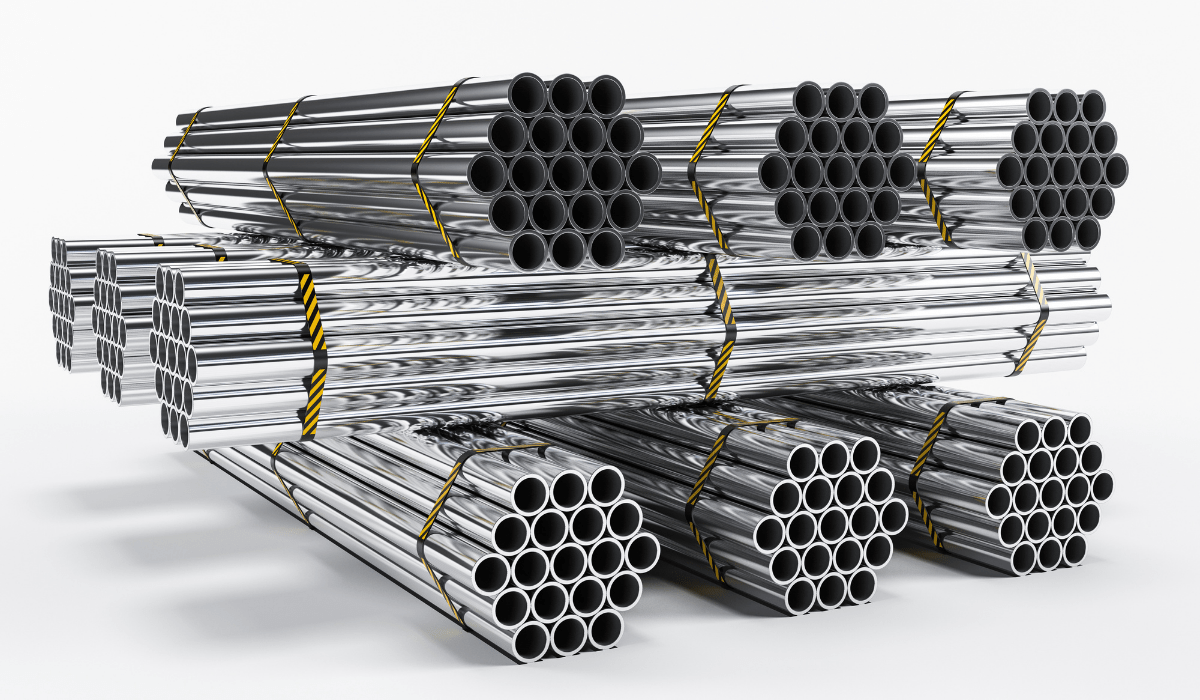
How can you be sure the house you live in is safe? Who guarantees that the apartments, homes, and office buildings you inhabit are constructed with durable, high-quality materials? Despite the significant sums spent on construction, many Pakistanis remain uncertain about the quality of the most fundamental building material: steel.
Shouldn’t this uncertainty concern us all?
These are the questions this article seeks to explore. What you may find startling is that a substantial portion of the 3.8 million tonnes of steel produced annually in Pakistan is of substandard quality. This revelation is not just a matter of economic concern but a pressing public safety issue.
The steel industry is a cornerstone of Pakistan’s economy, playing a vital role in construction, infrastructure development, and industrial growth. Over the past five years, the country’s annual demand for steel and iron has averaged 7.3 million tonnes, while domestic production has lagged at just 3.8 million tonnes. To bridge this gap, Pakistan has increasingly relied on imports, incurring substantial costs.
However, the challenges facing the steel industry extend beyond supply shortages. The production and distribution of substandard steel not only undermine legitimate, tax-paying businesses but also pose a grave risk to public safety. This article delves into the roots of this crisis, the regulatory failures that perpetuate it, and the urgent steps needed to address it.
A Brief Overview of Pakistan’s Steel Industry
Pakistan’s steel industry is one of the country’s most critical sectors, contributing significantly to industrial output and employing over 450,000 people. Over the years, the industry has grown substantially. As of 2019, it comprises approximately 600 mills—both large and small—with a combined production capacity of 3.3 million tonnes, accounting for 0.18% of global steel production.
The organized sector is dominated by 20 major players, including Amreli, Agha, Mughal, Frontier Foundry Steel, Razaque, Bilal, and Aitamad Steels. These companies collectively hold 80% of the market share and generated PKR 150 billion in revenue during the fiscal year 2020.
Despite this growth, the industry is plagued by systemic issues, chief among them the rampant production and sale of substandard steel.
Subscribe to Continue Reading
The rest of this article is available exclusively to subscribers.

The writer is a member of the staff at the Islamabad Bureau. He can be reached at [email protected]
View all articles →Comments
No comments yet. Be the first to join the discussion!