















More than 70% of Pakistan’s goods exports could face loss of market access unless local companies upgrade compliance with emerging global requirements, particularly traceability systems and enhanced labour-standards reporting, World Bank economist Anna Twum said.
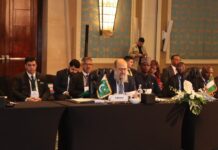
According to a news report, Ms Twum made these remarks during Tabadlab’s event, “Trade, Tariffs, and Beyond — Building Pakistan’s Export Economy”. She cautioned that new frameworks being implemented in key markets, including the European Union, will increasingly demand verified, transparent supply chains.
Ms Twum said Pakistan’s National Tariff Policy is a positive step, but emphasised that exports must drive growth strategy. Despite stabilisation efforts, exports as a share of GDP continue to fall, even though Pakistan’s export potential is estimated at 26% of GDP, about $60 billion.
Aftab Haider, CEO and co-founder of Pakistan Single Window, said achieving such compliance will be difficult due to Pakistan’s large informal sector, limited tax registrations and low digital literacy among farmers. He noted that these constraints leave Pakistan “far from” meeting traceability requirements that major buyers will soon mandate.
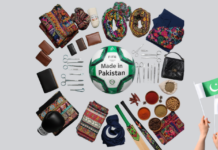
In a recorded message, Adnan Pasha Siddiqui, advisor to the finance minister, highlighted that the US corridor accounts for $5–6 billion of Pakistan’s exports, mostly home textiles. He said global demand, however, has shifted toward synthetic sportswear and apparel made from artificial fibres, where competitors like Bangladesh and Vietnam have advanced production.
He argued that Pakistan must diversify beyond traditional products such as bedsheets and expand into sportswear and apparel targeted at younger consumers.
Former National Tariff Commission chairperson Robina Athar added that complex and frequently changing tariffs deter investment, recalling that trade taxes once made up 43 per cent of Federal Board of Revenue collections. She said this volatility discourages firms from making long-term plans.
Speakers noted that the underlying issues behind Pakistan’s weak export performance are longstanding. The country remains largely outside global value chains, with exports concentrated in textiles, cereals and cotton, and heavily reliant on a few markets such as the US, EU and China. Ms Twum said past free trade agreements have focused mainly on tariff cuts, without facilitating investment or technology transfer.