August 8, 2020
PTA offers leniency in VPN registration process. But will it be enough?
During the Covid-19 pandemic, PTA has allowed applicants to pay fee online and send undertaking on their business letterheads instead of judicial papers

August 8, 2020
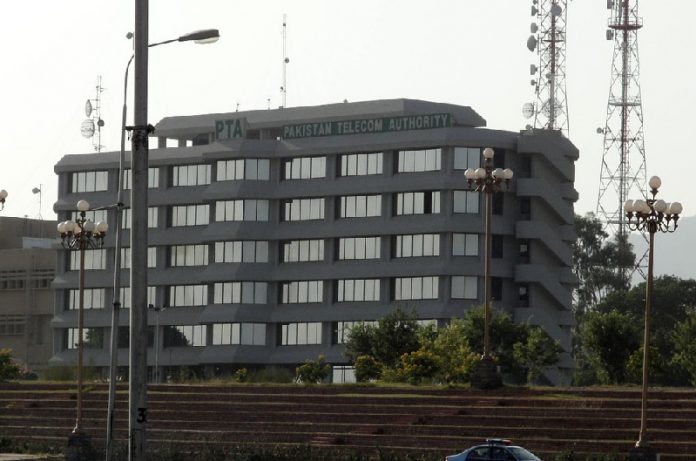
ISLAMABAD: Pakistan Telecommunication Authority (PTA) has made the registration of corporate Virtual Private Networks (VPNs) necessary. The first notification in this regard was issued on June 17 with the deadline of June 30. Afterwards, the deadline was extended to July 31, and now for the second time, the deadline has been pushed ahead until September end.
However, despite these extensions, complaints are abounding among small IT businesses and start-ups.
Profit comprehensively covered the potential downside to this regulation in a story published on June 22, How PTA’s corporate VPN ban could cripple small IT businesses and startups. In response to this story, PTA issued a clarification that read as follows:
"The process is straight forward, simple and swift…A public notice informing all users to register their VPNs was advertised in newspapers. The Internet Service Providers (ISPs) were also informed to follow the simple process for registration of VPNs of their clients. For registration, the users have to send a simple filled in form to their service providers to register their VPNs. However, the procedure is being further streamlined and simplified to facilitate all users."
The PTA statement said that the authority would not disrupt the services of legitimate users since the only focus is to contain the grey traffic which is affecting legal businesses.
But despite tall claims by PTA, now these potential repercussions have started to materialize. One of the primary problems that are faced by businesses in the wake of this regulation is higher cost – in terms of both time and money. On August 4, a Twitter user, Feisal H. Naqvi, wrote:
“My firm bought a new videoconference system. This is what the PTA wants from me:
- IPs Whitelisting & Delisting on A4 Plain Paper With Sign & Stamp.
- IPs Whitelisting Justification Performa on A4 Plain Paper With Sign & Stamp.
- Request Letter & Amplification of reqt on Company’s Letter with Sign & Stamp.
- Legal Undertaking on Rs. 100 stamp Paper with sign & Stamp
- CNIC of Authorized Signatory crossed for PTA.
- Certificate of incorporation
- NTN Copy
- Pay Order for Rs. 500/EACH IP in the name of PTA”
My firm bought a new videoconference system. This is what the PTA wants from me:
- IPs Whitelisting & Delisting on A4 Plain Paper With Sign & Stamp.
- IPs Whitelisting Justification Performa on A4 Plain Paper With Sign & Stamp.— Feisal H. Naqvi (@laalshah) August 4, 2020
He said, “If this is what it takes to get a videoconference system going, can you imagine what the average business owner goes through?”
Profit reached out to PTA for a response, to which they said, “PTA is striving to make all efforts to facilitate businesses. Individual video conferencing applications are allowed to all businesses. To curb grey telephony, PTA requires the registration of commercial or large scale video conferencing devices. Users need to fill two simple forms: an undertaking and basic documentation through their service providers. PTA swiftly and efficiently processes all applications.”
Responding to the complaints regarding stamp paper and additional costs, PTA’s statement read, “During the COVID-19 pandemic, PTA has allowed applicants to pay fee online and send undertaking on their business letter head instead of judicial paper. Furthermore, PTA is also working to provide online application submission form through PTA website for the facilitation and ease of applicants and to speed up the process.”
PTA’s pretext to act and rein in is to stop illegal telephony traffic which causes losses to their licensees and the national exchequer in terms of revenues and taxes is commendable. However, reining in corporations involved in causing losses to the national exchequer by using VPNs will also hurt legitimate businesses by making their costs go up and operations to slow down. The process of registration via ISPs is still being deemed complex, especially considering that some popular domestic ISPs are already out of static IP pool. The slow approval process could also lead to substantial losses to such legitimate businesses and might even put the very viability of newer startups in jeopardy.
2 Comments
No comments yet. Be the first to join the discussion!