
The stalled arrival of working women in Pakistan
After rising rapidly in the first decade of this century, female labour force participation in Pakistan has flatlined. What drives that stagnation?
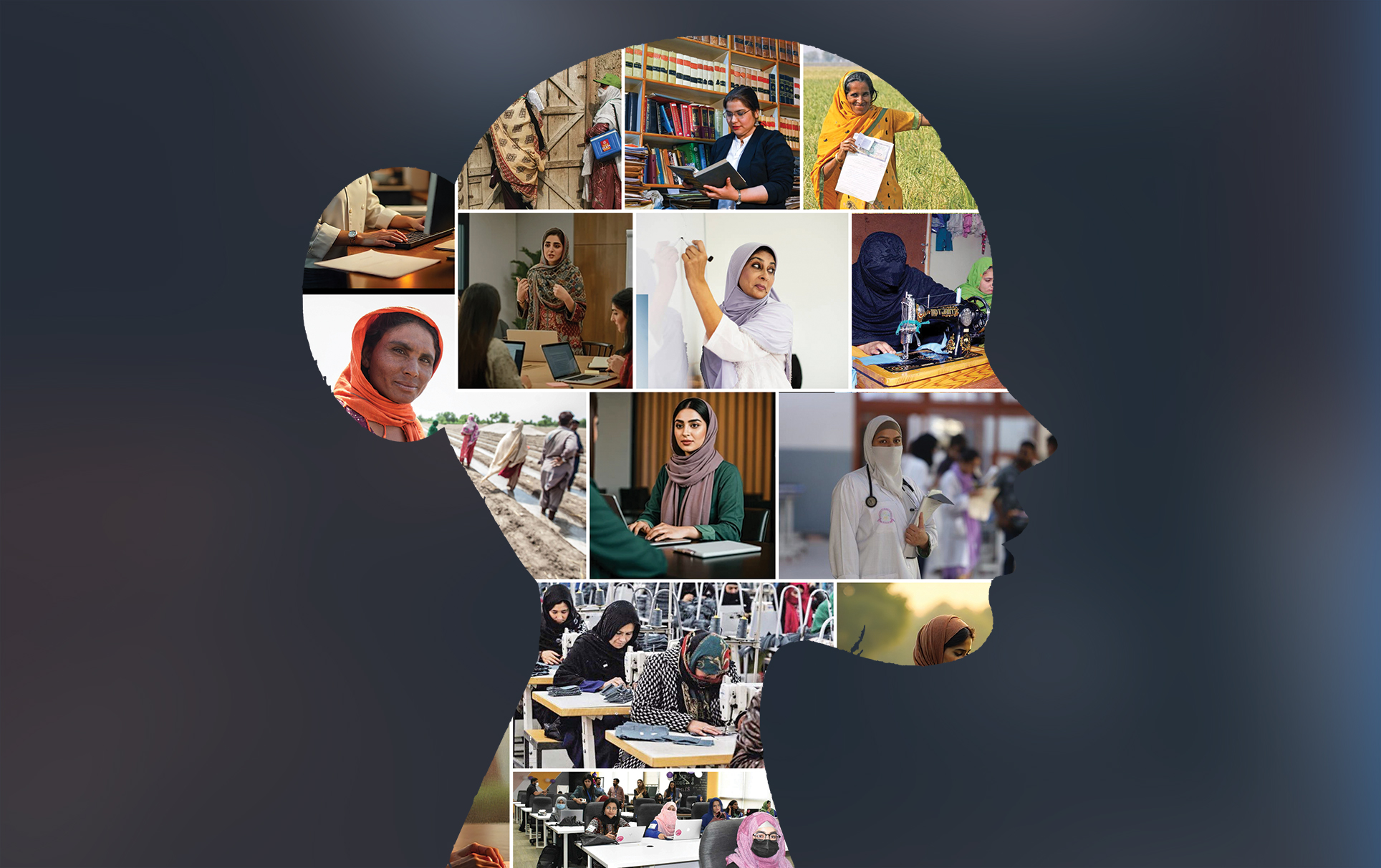
The image of twentieth and twenty-first century modernity is the two-income household: a man and a woman both earning an income and perhaps sharing in child-rearing responsibilities. The modal household in Pakistan is also a two-income household, but more often than not, the two incomes come from two related men – a father and son, or two brothers, or even two male cousins. Some households have a man and woman bringing in an income, but not many.
In 2012, then writing for The Express Tribune, this scribe wrote about the rising female labour force participation rate in Pakistan, which had doubled over the first decade of the century. It seemed as though Pakistan’s labour force was about to join that image of modernity.
That revolution in household economic relationships – and the social revolution it would undoubtedly have precipitated – did not come to pass. The female labour force participation rate in 2021, the latest year for which data is available, was at 21.3% of the working age population, according to data from the Pakistan Bureau of Statistics’ Labour Force Survey, somewhat lower than the 24.4% it reached in 2011.
Effectively, the last decade and a half has seen no changes in the economic status of women in Pakistan, even though some key leading indicators – notably literacy and education – would have predicted a continued rise in labour force participation and income levels.
Subscribe to Continue Reading
The rest of this article is available exclusively to subscribers.

Managing Editor, Profit Magazine. He can be reached at [email protected]
View all articles →Comments
No comments yet. Be the first to join the discussion!


