December 3, 2025
Indian rupee hits record low above 90 against U.S. dollar amid weak flows
Sluggish trade, weak capital inflows and stalled U.S.-India talks keep rupee under pressure
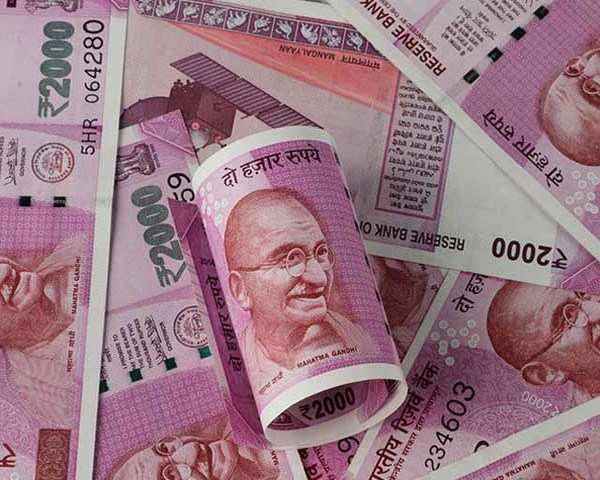
The Indian rupee slid past 90 per U.S. dollar to a record low on Wednesday, marking its sixth consecutive session of losses as traders bet subdued trade and portfolio flows will keep Asia’s worst-performing currency under pressure without central bank intervention.
The rupee touched an all-time low of 90.29 per dollar before closing at 90.19, down nearly 0.4% on the day.
The slide highlights a divergence in India’s domestic and external macroeconomic position. While GDP growth has exceeded expectations, punitive U.S. tariffs and weak capital inflows have weighed on the currency. Year-to-date, the rupee has fallen 5.3%, on track for its steepest annual decline since 2022.
Chief Economic Adviser V Anantha Nageswaran said the weakness has not affected inflation and expressed expectations for a recovery in 2026.
“Every day without a trade deal, FX demand from the trade deficit and outflows keeps pushing USD/INR higher, while FX supply is thin and inconsistent,” said Joey Chew, head of Asia FX research at HSBC. She added that foreign investors are losing patience, with net flows flattening after a month of inflows in October.
Overseas investors have pulled around $17 billion from Indian equities this year, while net foreign direct investment and overseas commercial borrowings have remained weak. India’s benchmark equity index, the Nifty 50 (.NSEI), fell 0.2% on Wednesday, while the 10-year bond yield rose to 6.53%.
India’s trade deficit widened to a record $40-plus billion in October. HDFC Bank expects the current account deficit to reach close to 1.1% of GDP this financial year.
“The weak macro picture in India makes weak currency performance inevitable,” said Sat Duhra, portfolio manager at Janus Henderson Investors. Economists say any relief for the rupee depends on progress in stalled U.S.-India trade negotiations. Sakshi Gupta, principal economist at HDFC Bank, expects the rupee to hover between 92 and 93 next quarter.
The rupee’s weakness has been compounded by speculative activity. One-month dollar/rupee non-deliverable forward points jumped to a seven-month high of 23.25 paisa, a near 50% increase over three days, reflecting rising importer hedging demand and expectations of further depreciation.
0 Comments
No comments yet. Be the first to join the discussion!