December 9, 2025
Govt moves to end fixed returns for gas utilities as private suppliers enter market
Plan includes overhaul of SNGPL and SSGC, shift from cross-subsidy to direct budgeted subsidy, and 35% gas allocation for private sector

December 9, 2025
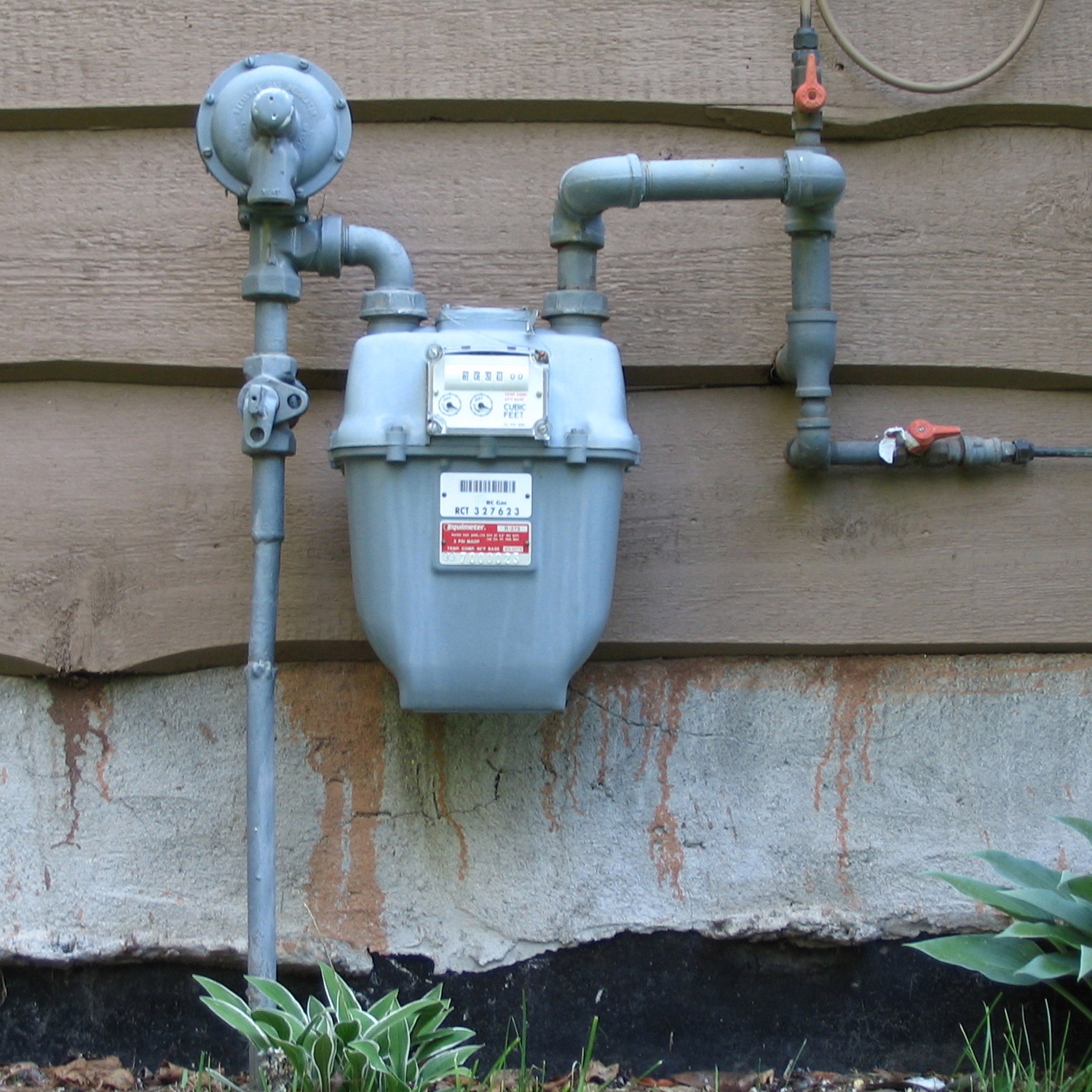
The federal government has begun restructuring state-owned Sui Northern Gas Pipelines Limited (SNGPL) and Sui Southern Gas Company (SSGC) as it prepares for the entry of private-sector suppliers, signalling a major shift in how the country’s gas market will operate, The Express Tribune reported, citing official sources.
As per the report, the transition follows a policy decision to increase private-sector allocation from new gas fields from 10% to 35%, attracting several firms that have already sought marketing licences from the Oil and Gas Regulatory Authority (Ogra). The regulator has completed hearings on multiple licence applications.
The government intends to end the fixed asset-based return formula under which SNGPL and SSGC currently operate. The move is aimed at running public utilities on a commercial, competitive basis as private gas marketing companies enter the system.
According to senior officials, Ogra has engaged a consultant to review the fixed return mechanism, with a report expected by the end of December. The Petroleum Division is also working with the World Bank on a broader overhaul of the gas sector.
Under the existing framework, SNGPL and SSGC earn guaranteed returns on assets, even as network expansion, rising operating costs and shrinking domestic supplies have driven up consumer tariffs.
SNGPL’s operating expenses rose from Rs66 billion in 2019-20 to Rs94 billion in 2023-24, while profits climbed from Rs19 billion to Rs38.9 billion despite declining gas availability.
Industry groups have long criticised the asset-based return and the regulator’s unaccounted-for-gas (UFG) benchmark. They argue that the current system inflates utility profits while shifting the burden onto industrial and commercial consumers and have called for a uniform UFG benchmark, legal reforms, separate accounting for transmission and distribution, and a fixed per-MMBtu margin to replace asset-based returns.
The government has also decided to phase out the long-standing cross-subsidy—under which domestic consumers pay below-cost tariffs funded by higher charges on industrial, commercial and captive power users. The subsidy for residential users has exceeded Rs150 billion. In line with commitments to international lenders, the cross-subsidy will be replaced with a direct budgeted subsidy mechanism by 2026.
Our monitoring team diligently searches the vast expanse of the web to carefully handpick and distill top-tier business and economic news stories and articles, presenting them to you in a concise and informative manner.
View all articles →4 Comments
No comments yet. Be the first to join the discussion!