January 4, 2026
Think tank flags Q1 growth as import- and subsidy-driven, questions sustainability
Think tank warns GDP gains mask weak domestic production and assembly-led growth

January 4, 2026
Pakistan’s first-quarter GDP growth for FY26 has come under scrutiny from the Economic Policy and Business Development (EPBD) think tank, which says the reported expansion is largely import- and subsidy-driven, rather than reflecting genuine business activity.
The National Accounts Committee approved a 3.71 percent GVA growth for Q1FY26, with agriculture up 2.89 percent, industry 9.38 percent, and services 2.35 percent. EPBD, however, said the numbers are “difficult to reconcile with ground realities” and warned that growth without real output remains largely on paper.
Trade data, the think tank noted, tells a different story. Despite reported growth in agriculture and food-related manufacturing, food exports fell 25.8 percent, while food imports rose 18.8 percent, signaling that rising imports are being used to artificially inflate growth measures.
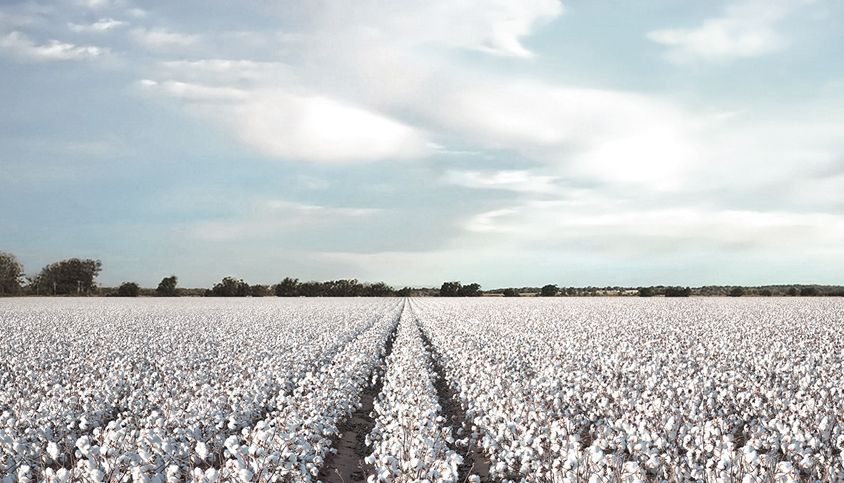
Agriculture’s reported 2.89 percent expansion is also at odds with reality. EPBD highlighted that flooding had raised expectations of stagnant or negative growth, and key crops fell by 0.75 percent, including a 1.2 percent drop in cotton production and no wheat crop during the quarter, pointing to possible overestimation in some sub-sectors.
The industrial sector’s 9.38 percent growth raised additional concerns. EPBD said the increase was largely due to a 25 percent-plus jump in electricity, gas, and water supply, driven by subsidies rising from Rs20 billion to Rs118 billion, rather than higher physical output. Construction growth of 21 percent similarly did not match underlying indicators: cement production rose 15.32 percent, while imports of transport equipment more than doubled, showing dependence on imported inputs rather than domestic supply chains.
Manufacturing also showed structural weaknesses. Cotton ginning fell 12 percent and cotton exports dropped around 10 percent, yet textile production and exports grew, reflecting assembly-led growth fueled by imported cotton and synthetic fibres. The sugar sector also shifted from exports toward imports, EPBD noted.
Services growth of 2.35 percent remained modest and slowed on a quarter-on-quarter basis, mirroring weak demand and limited economic momentum.
The think tank said the overall picture highlights a widening gap between domestic production and trade performance, raising questions about the quality and sustainability of the reported recovery.
EPBD urged the government to implement market-oriented reforms, empower the private sector to lead investment, and create a stable environment for independent business activity, warning that only genuine, private-sector-driven expansion can deliver durable growth, rather than headline gains inflated by imports, subsidies, and statistical adjustments.
Our monitoring team diligently searches the vast expanse of the web to carefully handpick and distill top-tier business and economic news stories and articles, presenting them to you in a concise and informative manner.
View all articles →2 Comments
No comments yet. Be the first to join the discussion!