January 4, 2026
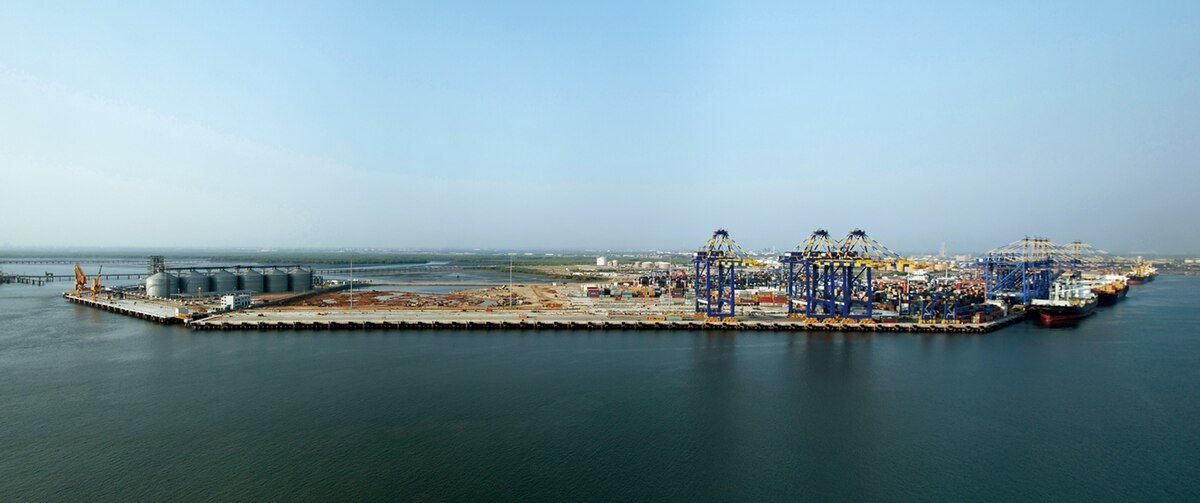
Exports slide, trade deficit deepens as LCCI presses for immediate policy reset
Chamber flags agri export collapse, urges private sector led growth and market diversification

January 4, 2026

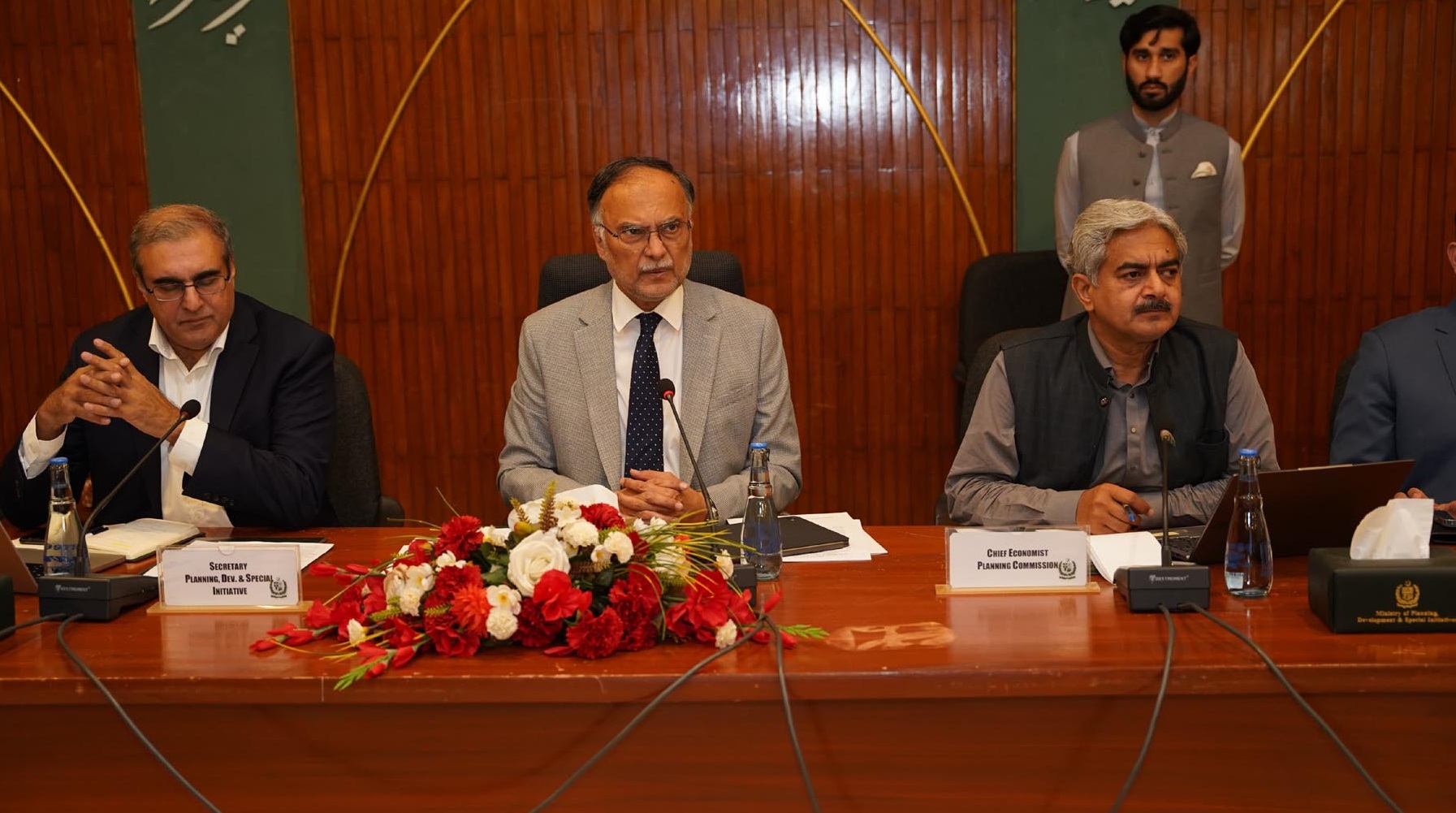
Pakistan’s export performance weakened sharply in the first half of the current fiscal year, widening the trade deficit and exposing structural weaknesses in agriculture and food exports, business leaders said on Saturday as the Lahore Chamber of Commerce and Industry presented reform proposals to federal officials.
LCCI President Faheem ur Rehman Saigol said the trade deficit exceeded 19 billion dollars during the first six months of the fiscal year and could reach 38 billion dollars by year end if corrective measures are not taken. He warned that remittances, even if they touch 42 billion dollars, cannot substitute for sustained export growth.
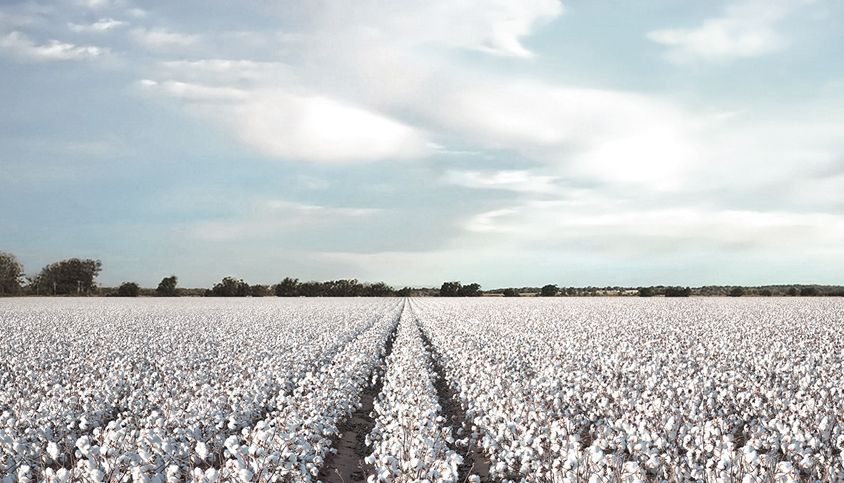
Official data presented at the meeting showed a steep fall in food exports. According to the Pakistan Bureau of Statistics, food exports during July to November dropped to 1.95 billion dollars from 3.15 billion dollars a year earlier, marking a decline of about 38 percent. Rice exports fell to 769 million dollars from 1.5 billion dollars, vegetables declined to 66 million dollars from 110 million dollars, while oilseeds and nuts dropped to 92 million dollars from 262 million dollars.
Saigol attributed the downturn to policy neglect, conversion of agricultural land into housing schemes, low per acre productivity, recurring floods, and weak water management. He called for the creation of a Water Management Authority, wider use of hybrid seeds, promotion of mechanised and corporate farming, and protection of farmland.
He said the livestock sector contributes around 15 percent to GDP, yet meat exports stood at only 215 million dollars during July to November. With the global halal food market valued at nearly 3 trillion dollars, he said Pakistan could significantly raise exports through better breeding, removal of sales tax on milk and meat, and greater value addition.
Addressing trade policy, Saigol urged a review of free trade and preferential trade agreements, elimination of non tariff barriers, stronger commercial diplomacy through embassies, and diversification of export markets and products. He noted that over 60 percent of exports are concentrated in a few sectors, while 36 percent go to just four countries, despite strong potential in Africa, ASEAN, and Central Asia.
Federal Secretary Commerce Jawad Paul said exporters would be actively involved in policymaking, in line with the Prime Minister’s instructions. He stressed that export growth must be driven by the private sector, with the government providing facilitation and policy support. He acknowledged that exports declined in the first half of the fiscal year, contributing to a higher trade deficit, particularly due to weakness in food and agriculture, though rice still has scope for recovery.
Saigol also raised concerns over rising business costs, high policy rates, taxes, and energy prices, saying these pressures are forcing local and multinational companies to shift operations abroad, leading to capital flight. He criticised the Sindh Infrastructure Development Cess, noting that more than 9 billion dollars has been collected since 1994 without visible results.
The proposals were presented at a meeting attended by Federal Secretary Industries Saif Anjum and Federal Secretary National Food Security Amir Mohyuddin, along with LCCI office bearers, former presidents, TDAP Director General Rafia Syed, executive committee members, officials from the Ministry of Commerce, and representatives of various trade and industrial associations.
Our monitoring team diligently searches the vast expanse of the web to carefully handpick and distill top-tier business and economic news stories and articles, presenting them to you in a concise and informative manner.
View all articles →0 Comments
No comments yet. Be the first to join the discussion!