January 4, 2026
PBF flags cotton rebound as arrivals jump 18pc but supply gap persists
Improved Punjab inflows lift pressing activity, imports remain unavoidable for textile sector

January 4, 2026
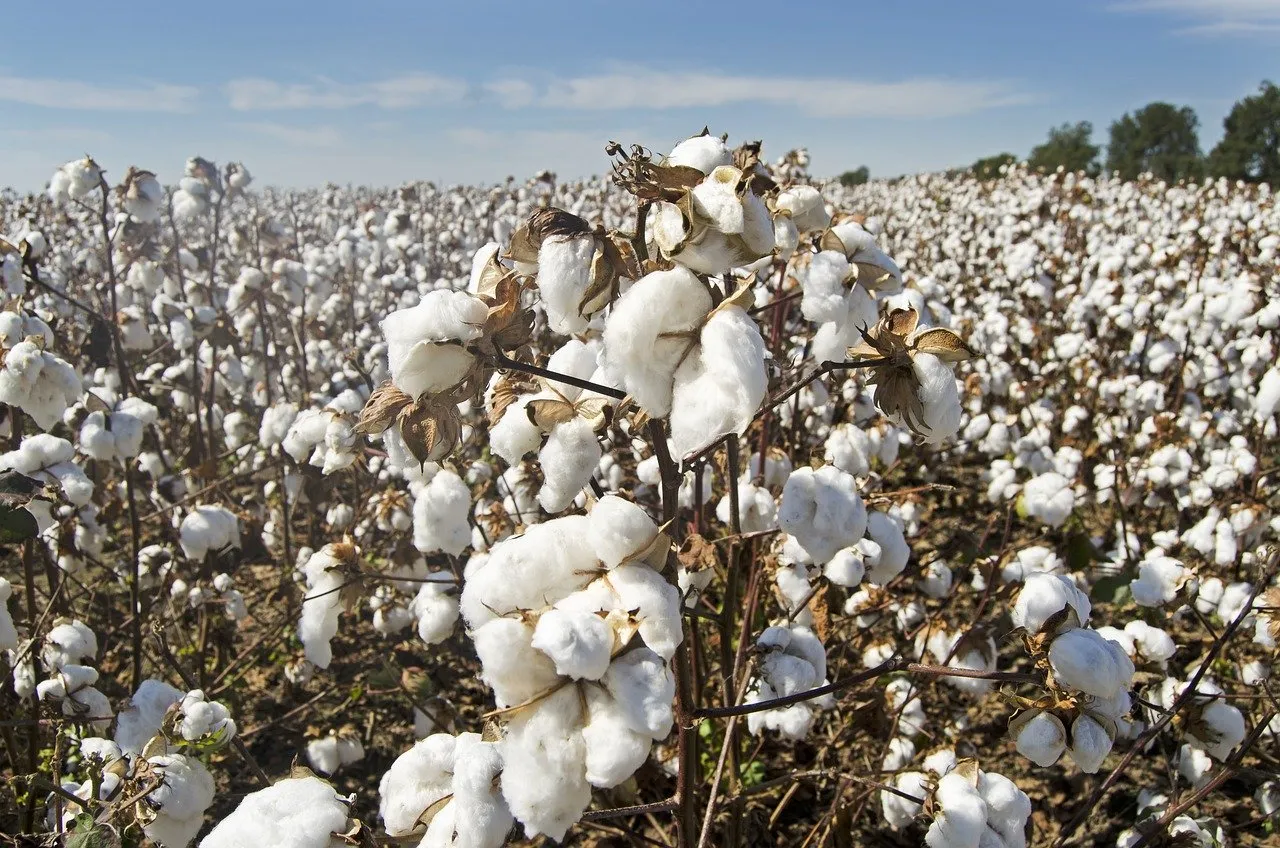
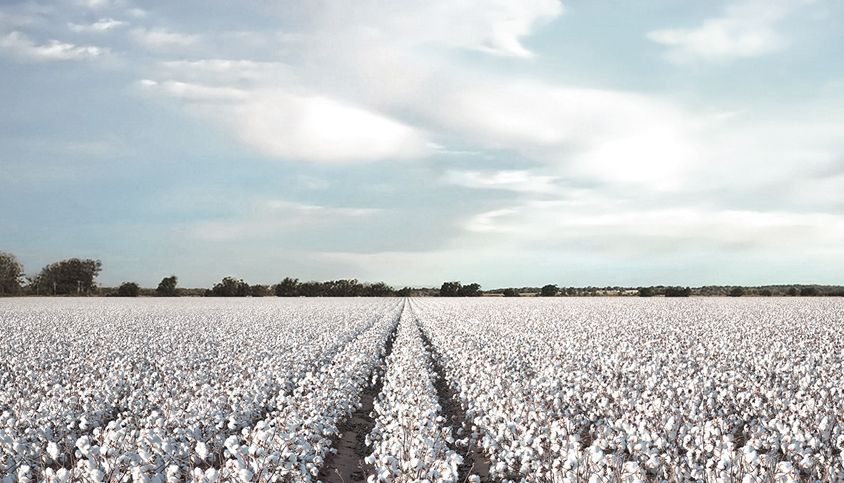
Pakistan’s cotton sector recorded a moderate recovery during the 2025 season, with crop arrivals rising sharply and domestic absorption improving, though output remains far below the textile industry’s annual requirement, the Pakistan Business Forum said.
Consolidated national figures up to December 31, 2025 show cotton arrivals reached about 5.43 million bales, compared with approximately 4.55 million bales in the same period last year, reflecting a year on year increase of around 18 percent.
PBF South Punjab Chairman Malik Talat Suhail said the recovery was primarily supported by stronger inflows from Punjab’s major cotton producing regions, while arrivals from Sindh remained broadly stable.
He said the higher arrivals translated into increased pressing volumes, with factory held stocks staying below 0.5 million bales, indicating that supplies are being absorbed by the domestic market without significant accumulation. Export activity during the season remained limited, reflecting a cautious strategy aimed at safeguarding local availability.
Despite the improvement, the Forum said domestic production remains insufficient to meet industry needs. Pakistan’s textile and spinning sector requires an estimated 14 to 15 million bales of cotton annually to operate efficiently, leaving a substantial structural shortfall.
Suhail said imports therefore remain an unavoidable part of the supply mix, adding that the gap continues to put pressure on production costs and foreign exchange reserves. He stressed that addressing the imbalance requires sustained, long term policy consistency rather than short term interventions.
The PBF identified low yield per acre as a key constraint, noting that productivity remains well below potential. It called for improved access to quality seed, stronger pest management, and better water efficiency to raise output without expanding cultivated area.
The Forum also urged a review of the cost structure faced by cotton growers, particularly the existing 18 percent sales tax on cottonseed and oil cake, which are important contributors to farm income. While not a standalone solution, such fiscal adjustments, combined with agronomic improvements, could encourage greater cultivation and support a gradual rise in output during the 2026 season.
Looking ahead, PBF said that if the current recovery trend, marked by an 18 percent increase in arrivals, is reinforced through stable pricing signals, productivity gains, and supportive policies, Pakistan can gradually reduce its reliance on imported cotton. Although full self sufficiency may not be immediately achievable, narrowing the demand supply gap would strengthen the textile value chain, stabilise raw material availability, and improve export competitiveness.
“The 2025 season has shown that recovery is possible,” Suhail said, adding that sustaining momentum through realistic policy support and productivity led growth will be critical for further improvement in 2026.
Our monitoring team diligently searches the vast expanse of the web to carefully handpick and distill top-tier business and economic news stories and articles, presenting them to you in a concise and informative manner.
View all articles →0 Comments
No comments yet. Be the first to join the discussion!