January 12, 2026
Wapda submits power evacuation plan for Diamer Basha Dam, sets 2032-2035 timeline for 12 power units
Wapda warns that delays in transmission infrastructure could hinder power evacuation, leading to underutilization and financial losses

January 12, 2026
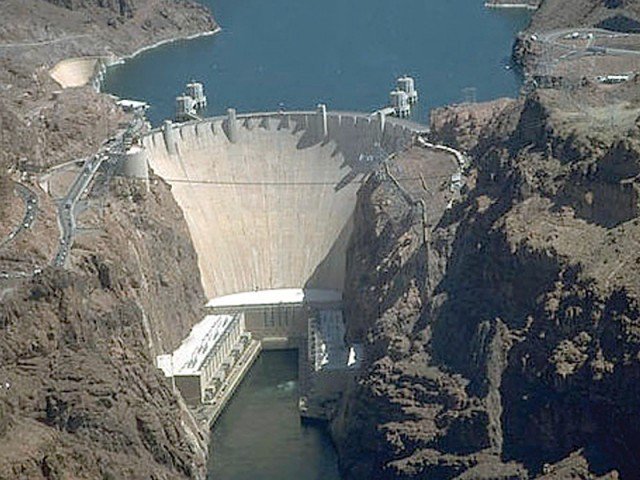
The Water and Power Development Authority (Wapda) has submitted the power evacuation plan for the 4500MW Diamer Basha Dam Project, valued at approximately $10 billion, to the Ministry of Water Resources, following a directive from the Prime Minister’s Office (PMO), Business Recorder reported.
Wapda has communicated the commercial operation timelines for the project's 12 power generation units to the Independent System and Market Operator (ISMO). The units will be commissioned in phases between October 2032 and April 2035. Wapda has committed to meeting these timelines, contingent on securing the necessary financial resources.
However, sources emphasised that the success of the project hinges on the simultaneous development of evacuation infrastructure. Wapda warned that any delay in the transmission system, which includes transmission lines and grid stations, could hinder the power evacuation process, resulting in underutilization of the plant's capacity and significant financial losses.
Wapda has urged the Ministry of Water Resources to escalate the matter with the Ministry of Energy (Power Division) and ensure that NGC prioritises the transmission works associated with the Diamer Basha Hydropower Project.
On November 10, 2025, Prime Minister Shehbaz Sharif directed relevant ministries to accelerate work on strategic projects like Diamer Basha. The prime minister also instructed various ministries to ensure that funds are available through the Public Sector Development Programme (PSDP), rupee cover, and other financing channels, with a focus on completing key Wapda projects, including Diamer Basha, Mohmand Dam, and Dasu Hydropower.
The National Grid Company (NGC) and Power Division have been tasked by the PMO to finalise the evacuation plan immediately. Additionally, the Power Division has been directed to coordinate with the Ministry of Finance and the Economic Affairs Division (EAD) to secure financing for the transmission infrastructure.
Despite the project's strategic importance for water and energy security, development partners have shown reluctance in providing the required financing of $10 billion, which includes $8 billion for the dam and power components and an additional $2 billion for transmission infrastructure.
To address the financing gap, the government has planned to arrange $500 million per year in commercial financing over the next seven years. Additionally, concessional long-term funding from multilateral and bilateral sources will be prioritised.
Our monitoring team diligently searches the vast expanse of the web to carefully handpick and distill top-tier business and economic news stories and articles, presenting them to you in a concise and informative manner.
View all articles →0 Comments
No comments yet. Be the first to join the discussion!