

















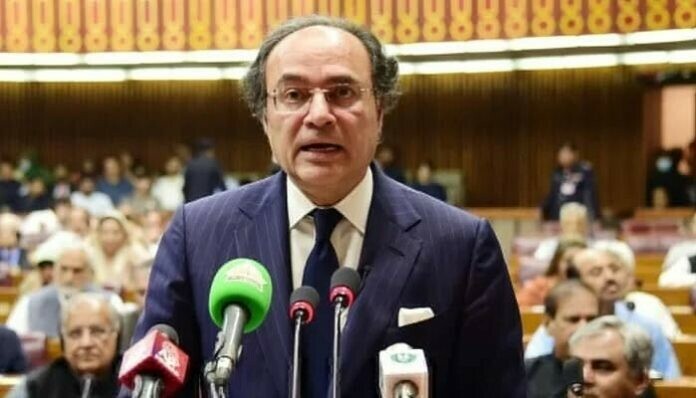
Finance Minister Muhammad Aurangzeb on Monday dismissed allegations that the government tried to delay the IMF’s Governance and Corruption Diagnostic Assessment, telling the Senate the report was cleared only after a two- to two-and-a-half-month review.
Responding to a motion by Senator Kamran Murtaza, Aurangzeb said the perception of deliberate withholding was “illogical.” He said the draft went through standard circulation: departments provided comments, revisions were debated and some points were accepted while others were rejected. “Nearly 100 meetings were held and about 30 entities were consulted,” he told the House.
Shifting to reforms, the minister said the government is digitising key processes to cut leakages and curb discretion, arguing that reducing human intervention directly limits corruption. He assured senators that additional details would be shared.
Aurangzeb supported calls for stronger governance, improved technical capacity and better remuneration structures. These issues, he noted, are already under review by the civil service reforms committee headed by Planning Minister Ahsan Iqbal, with him as a member.
He backed a proposal for a detailed update on tax reforms, saying the chairman of the Federal Board of Revenue could brief the Senate whenever needed. The same presentation, he added, has been shared with embassies, the Pakistan Business Council, overseas Pakistanis and development partners.
Aurangzeb said Prime Minister Shehbaz Sharif is personally steering the shift to a “cashless and digital Pakistan,” with milestones fixed for December 2025, June 2026 and December 2026.
During the debate, Senators Jam Safiullah Khan and Mohammad Abdul Qadir pointed to weaknesses in governance and tax administration and urged deeper institutional reforms. Lawmakers across parties said that addressing corruption and strengthening governance remain essential for rebuilding public trust and stabilising the economy.