















Business groups have expressed dissatisfaction after the modest interest rate cut by the State Bank of Pakistan (SBP), saying the reduction falls short of what is needed to support economic activity.
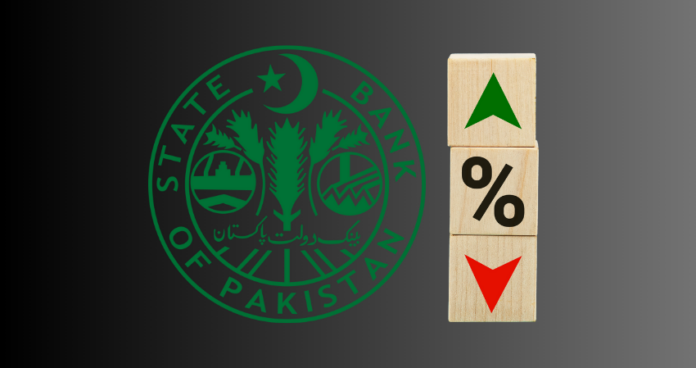
On Monday, the central bank slashed the policy rate by 50 basis points to 10.5%, defying widespread market expectations of a status quo. Industry representatives said the rate cut provides limited relief to businesses facing high production costs, elevated energy tariffs, and tight financing conditions.
Lahore Chamber of Commerce and Industry President Faheem-ur-Rehman Saigol said that the SBP’s decision to cut the policy rate by 50 basis points was a positive step that could support economic activity. He added that, given current conditions, bringing the interest rate into single digits has become essential.
Karachi Chamber of Commerce and Industry (KCCI) President Muhammad Rehan Hanif said the decision was insufficient to restore business confidence or support economic recovery. He pointed out that borrowing costs in Pakistan remain high compared to regional economies, despite easing inflation.
He said countries such as China, India, Bangladesh, Vietnam, Indonesia, and Sri Lanka operate with single-digit interest rates, enabling industries to access cheaper financing and remain competitive. He added that domestic businesses continue to face pressure from fuel prices, taxation, exchange rate volatility, and regulatory costs.
Korangi Association of Trade and Industry (KATI) President Muhammad Ikram Rajput also criticised the SBP’s move, saying it did not align with long-standing demands from the business community. He said reducing the policy rate to single digits was necessary to revive industrial activity and encourage investment.
Rajput said high interest rates undermine export competitiveness and discourage both new industrial investment and expansion of existing units, adding that small and medium-sized enterprises are particularly affected by elevated borrowing costs.
SITE Association of Industry (SAI) President Ahmed Azeem Alvi echoed similar concerns, warning that persistently high interest rates risk slowing industrial activity and employment growth. He called for single-digit rates and supportive policies to avoid further pressure on industry.
From a market perspective, JS Global Research Head Waqas Ghani Kukaswadia said the SBP’s decision reflected a cautious approach aimed at supporting growth while managing inflation and external account risks. He noted that the rate cut, though limited, signals some flexibility and could support near-term investor sentiment.
Business groups, however, maintained that a modest reduction would not address structural challenges facing the economy. Industry representatives said stronger action on borrowing costs is needed to support investment, exports, and employment growth, and urged the government and SBP to move toward single-digit interest rates.