December 1, 2025
Pakistan clears LNG diversion plan for 2026, allowing Qatar and ENI to reroute 35 cargoes
Government approves long-delayed annual delivery plan as declining gas demand prompts cargo diversions, cost savings and restored supply of cheaper local gas

December 1, 2025
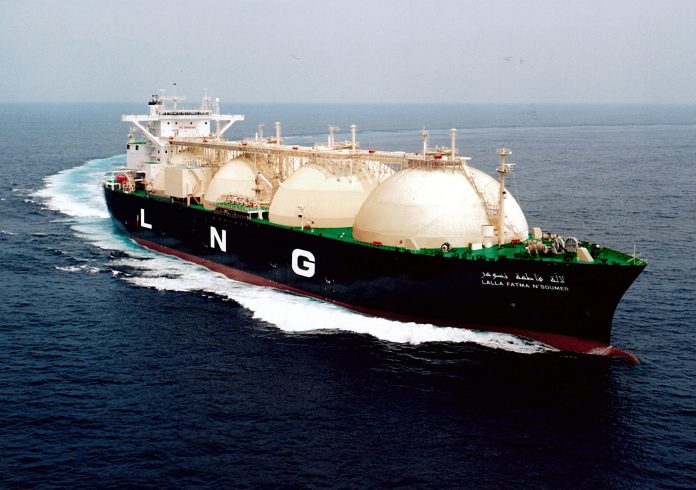
Pakistan has approved the Annual Delivery Plan (ADP) for 2026, enabling the diversion of 35 long-term LNG cargoes by Qatar and Italian firm ENI after months of uncertainty, The News reported.
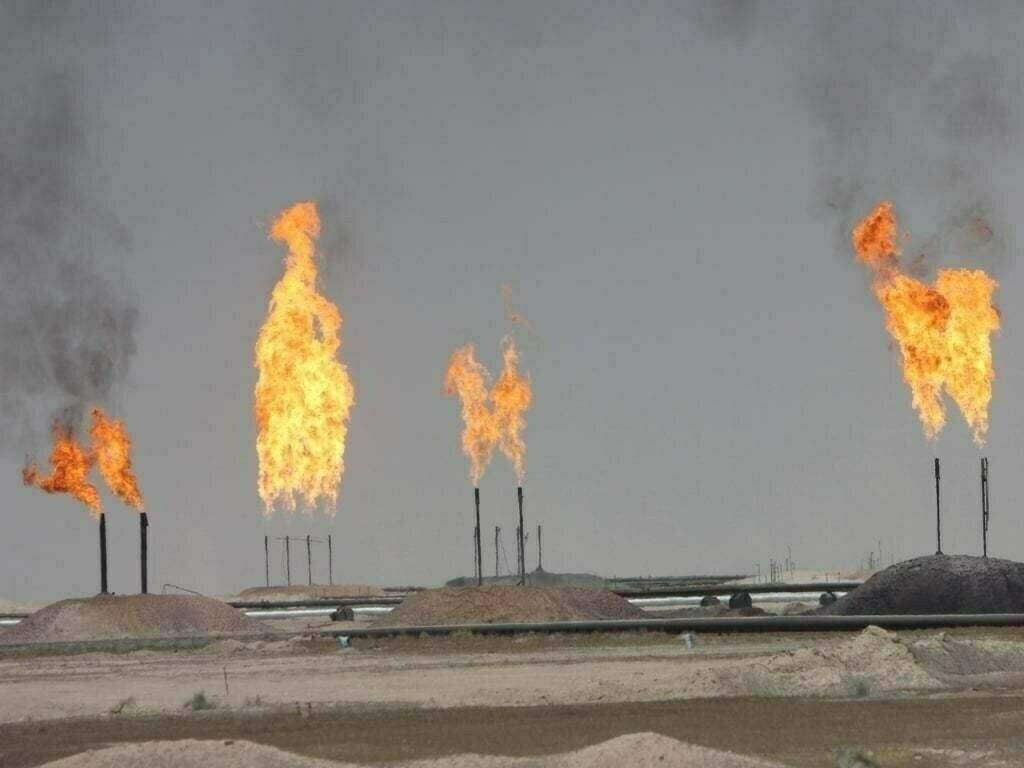
The decision is aimed at easing the country’s mounting gas surplus and stabilising a transmission system under pressure from declining national demand.
As per report, Qatar will divert 24 of the 29 cargoes that Pakistan requested under the non-performance delivery (NPD) clause in its long-term supply contracts. Under this clause, if a diverted cargo sells above Pakistan’s term price, the profit goes to Qatar; if it sells below the term rate, Pakistan State Oil (PSO) must absorb the loss.
ENI will divert 11 cargoes under a separate negotiated settlement with Pakistan LNG Limited (PLL). Unlike Qatar’s mechanism, profit or loss on ENI’s diverted shipments will be shared between the two sides.
The government has decided that it will not absorb any losses on cargoes diverted under the NPD clause. Any shortfall from low international prices will instead be passed on to RLNG consumers, including power plants, export-oriented industries, the CNG sector, and domestic users receiving RLNG-based supplies.
Officials said the combined diversions will still leave Pakistan with 13 surplus LNG cargoes in 2026, given an estimated fall of more than 400 mmcfd in national gas demand. Prior to securing these arrangements, authorities had been preparing for up to 48 surplus cargoes.
Based on an average term price of $30 million per shipment, Pakistan is expected to save around $1.05 billion in foreign exchange. The reduction in LNG inflows will also allow the system operator to re-inject more locally produced gas, which had been constrained by high line-pack pressures in the transmission network. Consumers will receive system gas at roughly Rs1,000 per mmbtu instead of costlier RLNG priced at around Rs3,500 per mmbtu. Curtailment is expected to fall from 310 mmcfd to about 100 mmcfd next year.
Despite weakened demand, Pakistan remains bound by long-term commitments requiring the import of 120 LNG cargoes annually—108 from Qatar and 12 from ENI.
In 2025 alone, 11 ENI cargoes have been diverted, saving $300 million in import costs and generating $45 million in shared profit. Another 11 diversions expected in 2026 could save $230 million and yield up to $50 million in additional gains. A further 10 diversions planned for 2027 are forecast to bring in another $290–300 million.
Our monitoring team diligently searches the vast expanse of the web to carefully handpick and distill top-tier business and economic news stories and articles, presenting them to you in a concise and informative manner.
View all articles →0 Comments
No comments yet. Be the first to join the discussion!