December 16, 2025
SBP expects foreign reserves to hit $17.8bn by June next year
Foreign exchange reserves cross $15.8bn, exceed December target after IMF inflows

December 16, 2025
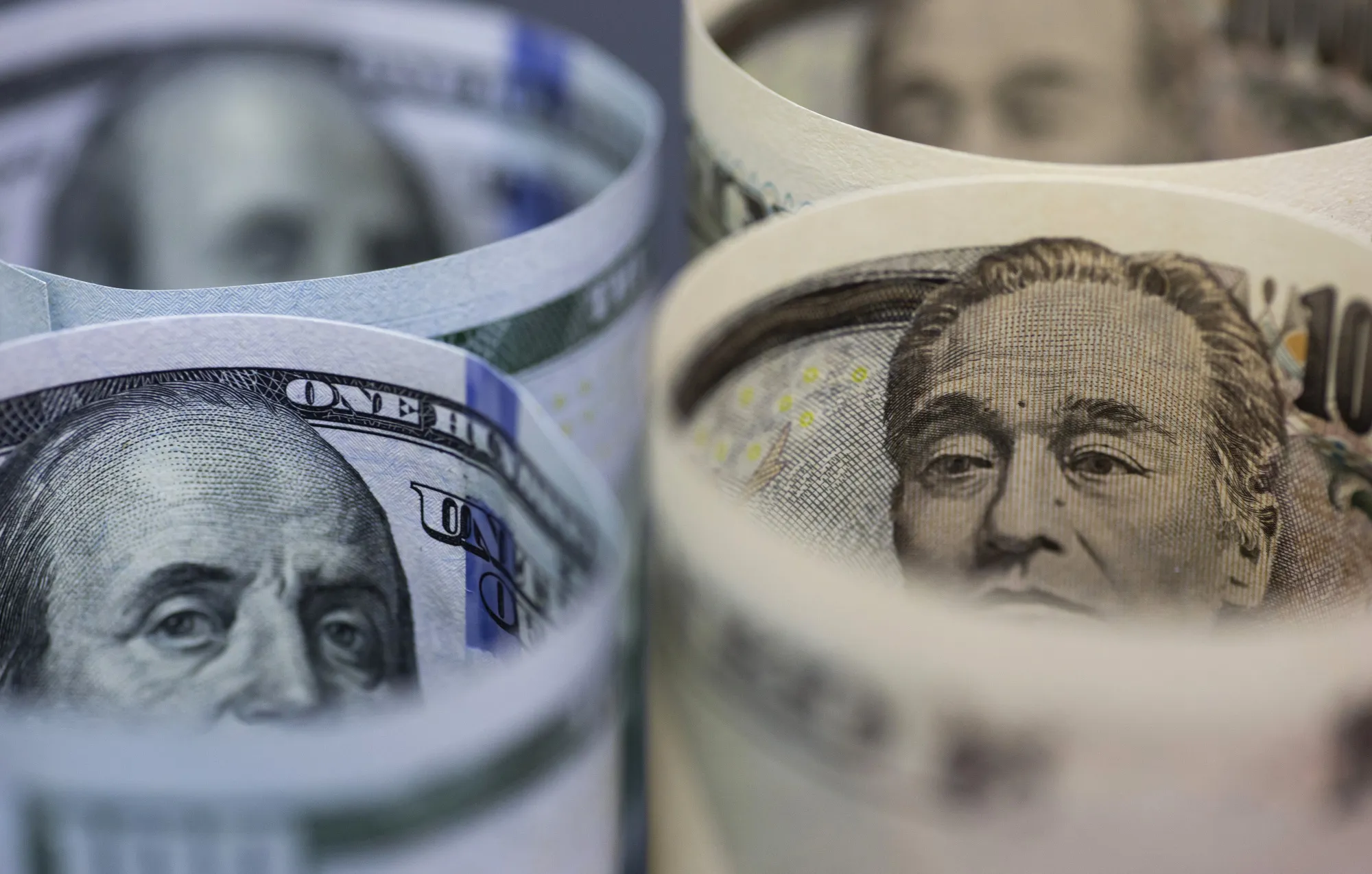
Pakistan’s foreign exchange reserves held by the State Bank of Pakistan (SBP) have exceeded the December 2025 level, rising above $15.8 billion after the receipt of $1.2 billion from the IMF under the Extended Fund Facility and the Resilience and Sustainability Facility and continued purchases from the foreign exchange market.
In an analyst briefing following the Monetary Policy Committee meeting, the SBP Governor Jameel Ahmed said reserves had crossed the targeted level of $15.5 billion by December 2025 despite subdued net financing inflows.
Looking ahead, the SBP expects its reserves to increase further to $17.8 billion by June 2026, assuming the timely realisation of planned official inflows during the second half of the fiscal year.
The SBP governor said that government inflows are expected to strengthen between January and June FY26. As of December 12, official inflows amounted to $2.1 billion, including the IMF disbursement. He said the remaining planned inflows are projected to be realised over the coming months.
On the external account, the governor said Pakistan’s total debt repayments for FY26 are estimated at $25.8 billion, of which $9.7 billion has already been paid or rolled over. The remaining net repayments for the rest of the fiscal year stand at $6.9 billion, excluding any future rollovers.
According to Topline Research, the SBP governor noted that foreign exchange interventions remained relatively low during the first two months of FY26 but increased in subsequent months, approaching the average level seen last year.
The Monetary Policy Statement showed that broad money (M2) growth accelerated to 14.9 percent as of November 28, driven mainly by higher net budgetary borrowing from the banking system. Private sector credit increased by Rs187 billion during July–November, led by borrowing from sectors such as textiles, wholesale and retail trade, and chemicals.
Consumer financing, particularly auto loans, remained firm amid easing financial conditions, improved sentiment and macroeconomic stability. On a year-on-year basis, however, private sector credit declined by 0.3 percent due to a high base effect linked to unusually strong credit growth in the second quarter of FY25.
On the liability side, currency in circulation remained broadly stable, while higher deposit growth resulted in a moderate decline in the currency-to-deposit ratio.
Our monitoring team diligently searches the vast expanse of the web to carefully handpick and distill top-tier business and economic news stories and articles, presenting them to you in a concise and informative manner.
View all articles →0 Comments
No comments yet. Be the first to join the discussion!