December 18, 2025
PM approves halal meat export policy, seeks three-year plan to scale global share
Government sets two-week deadline to finalise strategy targeting certification, logistics and disease-free sourcing

December 18, 2025
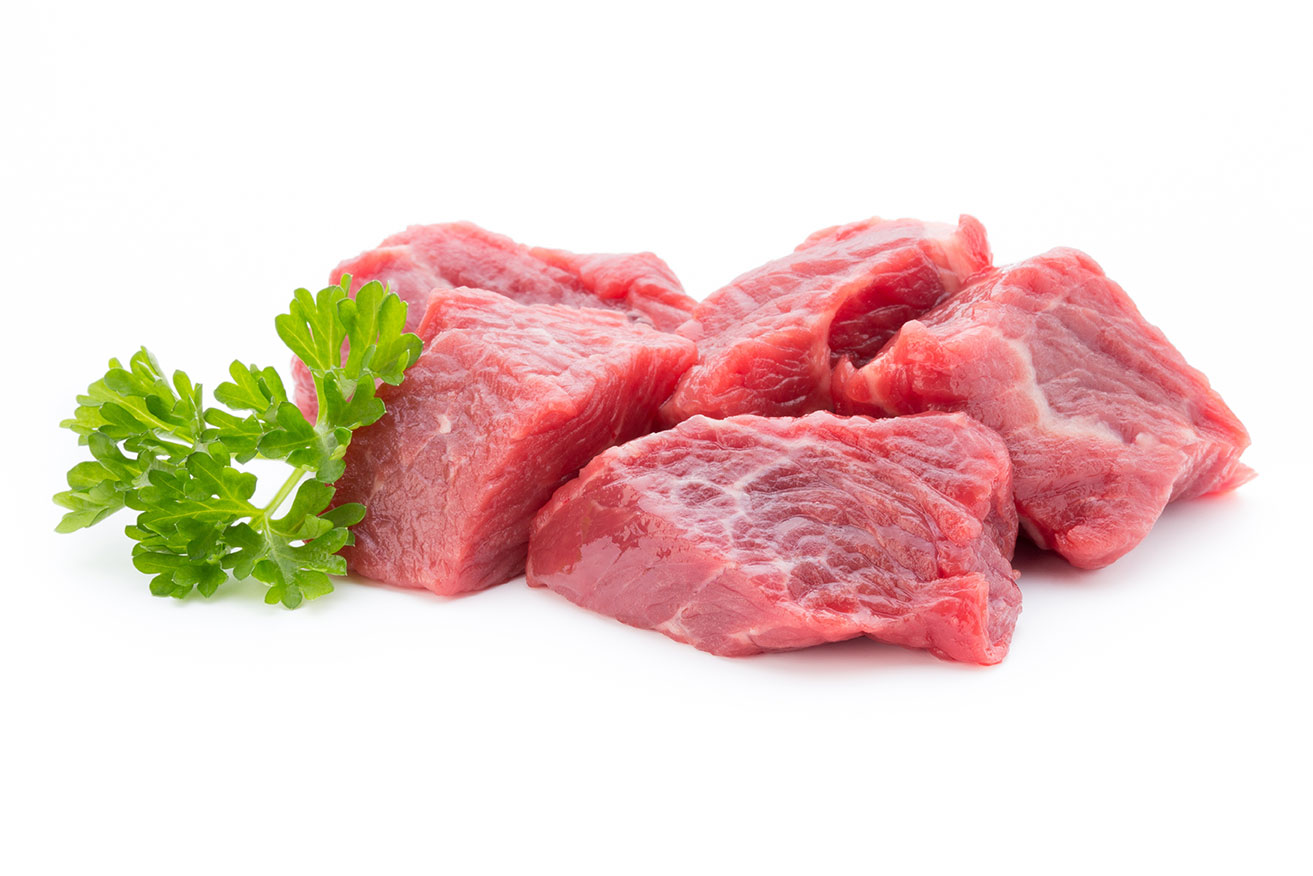
Prime Minister Muhammad Shehbaz Sharif on Thursday approved a new halal meat export policy and directed authorities to finalise a comprehensive three-year strategy within two weeks to expand Pakistan’s footprint in the global halal meat market.
Presiding over a high-level review meeting in the federal capital, the prime minister stressed that close coordination between federal ministries and provincial governments would be critical to positioning Pakistan as a competitive exporter. According to the Prime Minister’s Office, a specialised committee has been tasked with presenting actionable proposals focused on boosting production capacity, expanding cold storage, and improving logistics.
The prime minister instructed relevant departments to ensure Pakistan meets international hygiene and quality benchmarks, enabling exporters to compete in both Muslim-majority markets and wider global destinations. He directed authorities to facilitate international certification of local slaughterhouses and to support bilateral registration arrangements with importing countries.
Officials briefed the meeting that Pakistan’s halal meat production stands at around 6 million metric tonnes annually, with a sizable surplus available for export after meeting domestic demand. The prime minister highlighted that lowering production costs, adopting globally accepted business models, and ensuring sourcing from disease-free zones would be essential for improving competitiveness.
The meeting was attended by Federal Minister for Commerce Jam Kamal Khan, Federal Minister for National Food Security Rana Tanvir Hussain, Federal Minister for Economic Affairs Ahad Khan Cheema, Special Assistant to the Prime Minister for Industries and Production Haroon Akhtar, and other senior officials.
Separately, officials recalled that a meeting of the Prime Minister’s Committee on Meat Exports to Malaysia was held in November, co-chaired by Haroon Akhtar and Jam Kamal Khan. The committee discussed challenges and a future roadmap for exports to Malaysia, proposing a target of $200 million in meat exports under a collaborative model involving private exporters.
Our monitoring team diligently searches the vast expanse of the web to carefully handpick and distill top-tier business and economic news stories and articles, presenting them to you in a concise and informative manner.
View all articles →0 Comments
No comments yet. Be the first to join the discussion!