January 2, 2026
OICCI proposes comprehensive reforms for Pakistan’s power sector to boost efficiency and attract investment
OICCI outlines a range of reforms, including competitive renewable energy auctions, power wheeling incentives, and improved grid systems to enhance competitiveness and ensure long-term growth in Pakistan's power sector

January 2, 2026
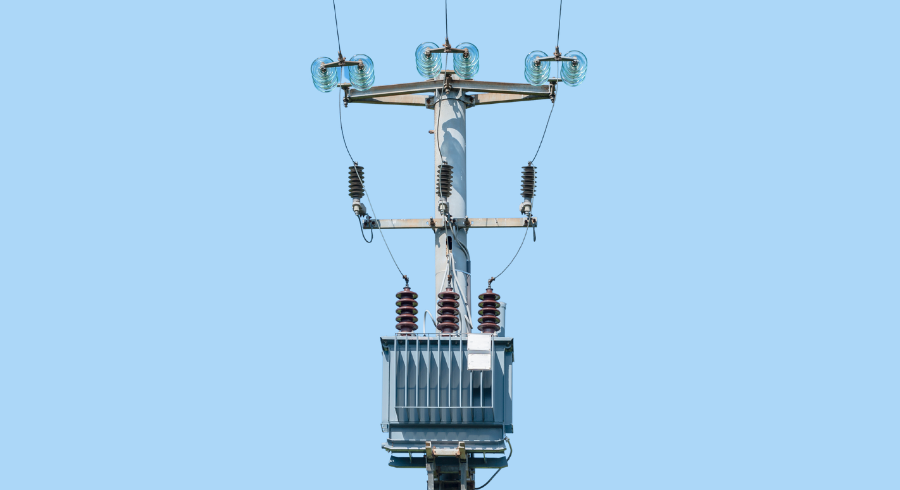
The Overseas Investors Chamber of Commerce and Industry (OICCI) has recommended a series of reforms to modernise Pakistan’s power sector, aiming to address regulatory inefficiencies, improve grid performance, and attract investment. The proposals were shared with key stakeholders, including the Ministry of Power, to drive the sector's transition towards competition, clean energy, and greater affordability.
In a letter to the Federal Minister for Power, OICCI’s Secretary General and CEO Abdul Aleem outlined actionable reforms, emphasising a shift from a cost-plus pricing model to competitive auctions for renewable energy procurement. This change aims to reduce electricity costs and encourage investment without increasing sovereign debt.
To improve grid efficiency, the OICCI suggested integrating performance-based incentives for industrial users under the Competitive Trading Bilateral Contract Market (CTBCM) framework, promoting energy-intensive sectors like textiles and manufacturing by rewarding industries with sustained growth. The organisation also proposed unbundling Use of System Charges (UoSC) and wheeling charges into distinct components to enhance transparency and fairness.
As Pakistan increasingly integrates renewable energy, the OICCI stressed the need for real-time monitoring systems, smart meters, and storage solutions to handle variable energy sources and mitigate intermittency. It also recommended the development of transmission corridors to connect renewable-rich regions with industrial centers, which would reduce curtailment and increase system efficiency.
Addressing climate-related trade risks, the OICCI suggested setting up a national carbon market to support compliance with global climate standards and incentivise green energy contracts between renewable producers and industrial consumers.
The reforms are designed to enhance Pakistan’s energy infrastructure, making it more sustainable, competitive, and aligned with global trends in the energy sector. The OICCI believes these measures will foster a stable and resilient energy market that attracts long-term investment, reduces costs, and supports Pakistan’s transition to a low-carbon economy.
Our monitoring team diligently searches the vast expanse of the web to carefully handpick and distill top-tier business and economic news stories and articles, presenting them to you in a concise and informative manner.
View all articles →0 Comments
No comments yet. Be the first to join the discussion!