


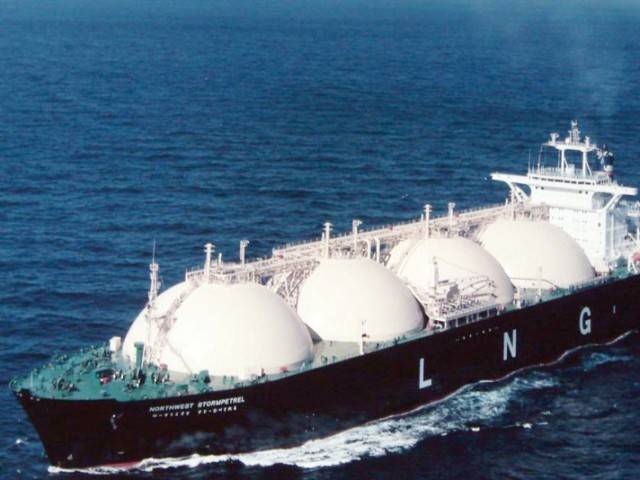
Pakistan’s Power Division has informed the Petroleum Division that it will be unable to use nine additional LNG cargoes, worth approximately $270 million, in 2026, despite finalising the annual LNG delivery plan with Qatar and ENI. This decision places the Petroleum Division in a difficult position, as it may have to divert the surplus cargoes to the domestic gas sector, further worsening the country’s growing circular debt, The News reported.
Pakistan is set to import a total of 89 LNG cargoes out of 124 in 2026—88 from Qatar and one from ENI. However, the revised electricity demand outlook for 2026, mainly due to increased solar energy use and a lower GDP growth projection, means the power sector cannot utilise the additional LNG cargoes.
The News quotes a senior official at the Petroleum Division, who confirmed the situation, indicating the challenges in handling the issue despite the previously agreed delivery plan.
Under the current arrangement, 35 LNG cargoes, valued at over $1 billion, are designated for diversion to international markets, with the expectation of generating approximately Rs160 billion annually. This revenue is intended to help mitigate Pakistan’s gas circular debt. Of the 35 cargoes, 24 will be diverted by Qatar and 11 by ENI. Pakistan LNG Limited (PLL) has a 15-year agreement with ENI to receive one LNG cargo per month at 12.14% of Brent.
Meanwhile, the gas circular debt has surged to Rs3,200 billion, with a sharp increase in late payment surcharge, contributing Rs1,450 billion. Additional liabilities, such as Rs210 billion due to income tax and GST, have further escalated the debt.
Despite long-term LNG supply agreements signed by previous governments, the power sector has grown reluctant to use RLNG for electricity generation. The economic burden of RLNG usage, which drives up electricity tariffs, has led to reconsideration of its role in the country’s energy mix.