Is Pakistan experiencing fuel shortages or hoarding?
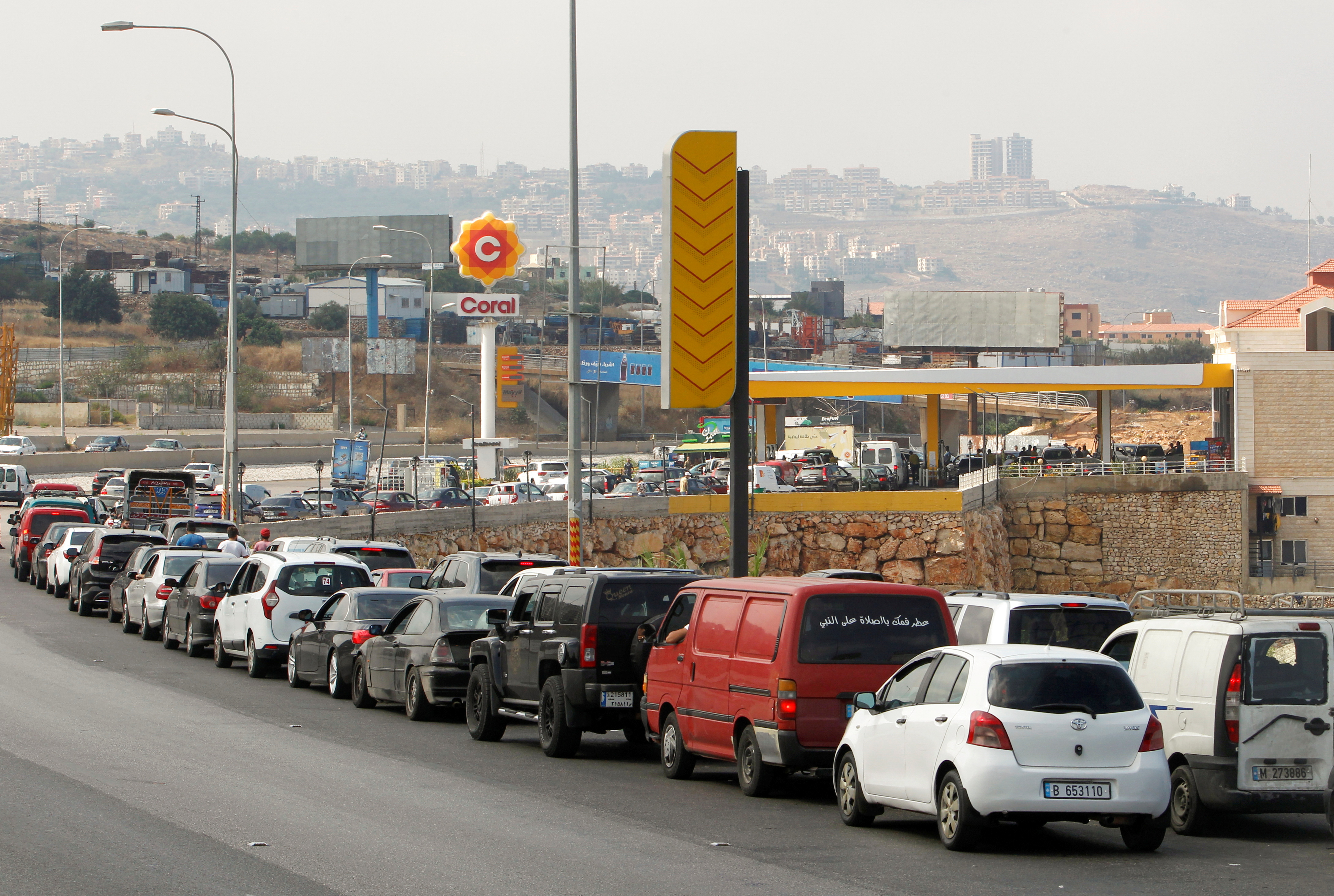
Overwhelming reports are coming in from various sources that there’s not enough fuel to go around prompting petrol pumps to ration fuel reserves. According to several industry sources, fuel stations in Lahore are actively “rationing” fuel supplies.
However, in reality this is a common practice within the industry, particularly in a situation where prices are expected to rise. Oil marketing companies (OMCs), petroleum dealers, consumers and other members of the supply chain start hoarding reserves to take advantage of a higher margin on each litre of fuel.
Now even if the government has enough stocks, an artificial shortage is created in the market to maximize gains from the hike in prices. So the question here is, how do they gain from a hike?
The answer is extremely simple, let's say you bought a pen for Rs 10 and are only allowed to sell it at a price of Rs 15, but the government is going to regulate the price to Rs 20, more likely than not you’ll wait until the price increases to sell the pen.
The same concept applies to the oil sector as well. Independent dealers and OMCs are restricting supplies in anticipation of the price hike expected around February 15.
Stocks as of now…
While talking to officials in the oil industry, Profit learned that even though the country has supplies sufficient to meet demand for a few weeks, the country is not out of the woods just yet.
The supply situation has been made precarious due to the lack of foreign exchange reserves. As per the latest reports the country’s foreign exchange reserves are currently hovering around $ 3 billion, which according to some experts is only enough for an import cover of three to four weeks. Consider the fact that Pakistan has to import critical fuels which accounts for a bulk of our import cost.
According to the Pakistan Economic Survey for FY 2022, the country imported crude oil worth $17.03 billion. Although it can be said the cost was further inflated due to the increase in global oil prices as a result of the Russo-Ukraine war.
A senior official confirmed to Profit that currently the country has petrol stocks that would last 20 days and in the case of diesel 30 days. However, conflicting reports are coming from sources in the oil marketing sector stating that the country has stocks for only 10-15 days.
Hoarding or shortages…
According to multiple sources, hoarding practices have increased considerably over the last couple of weeks. These artificial shortages have been particularly prevalent in Lahore, however, the exact reason is still unknown.
Furthermore, many sources in the vicinity of Lahore have stated that petrol pumps of Total PARCO have been actively rationing fuel. A source asking for anonymity told Profit that he was only able to get Rs 2000 worth of petrol from one of their pumps. A similar cap has been imposed on some petrol stations of Shell.
Different people have faced a similar situation when it comes to smaller OMCs. However, at the moment there is a mixed bag in terms of petrol pumps and companies exercising hoarding or actually experiencing shortages. An official from an OMC also stated that 30% of the pumps have shut down in Punjab.
However, a senior source told Profit that, “there are 36 oil marketing companies and only five have products in their tanks and five companies cannot manage sales of other companies' customers”. He added that the country currently has enough stocks for fuel, “petrol worth 20 days and diesel worth 30 days”.
Why can’t we get fuel then?
To have a better understanding of the situation it is first important to understand the basics of the industry. Now for instance you might see a petrol pump of an OMC with all the appropriate branding of the company but it may not be necessary for the company to own the pump.
Usually petrol pumps are owned and operated by independent dealers that have an agreement with the OMC to use their branding and in return purchase fuel from that particular company. Therefore, dealers have a certain degree of independence in terms of the actions they take, like for instance if they want to ration or hoard fuel.
More simply put, there are two types of petrol pumps; the company owned and operated pumps and the outsourced dealer-owned pumps. And according to an industry professional, hoarding is particularly in effect with the latter.
Hoarding has been further aggravated due to the recent hike in the exchange rate against the dollar.
PKR devaluation…
The Oil Companies Advisory Council had written a letter on January 30, 2023, titled “Severe Impact of Pakistani Rupee Depreciation on the Oil Industry” to express concern regarding the sudden decrease in the value of the rupee against the dollar. The letter stated, “these losses have an impact on the viability of the sector.” This is due to the fact that these losses surpass the profit an OMC might earn in an entire year.
Furthermore, since the burden of the currency depreciation is not passed on to the consumers the industry suffers as the government is not able to compensate the sector either. In the letter the council states that due to the devaluation of the currency “Letter of Credit limits have overnight shrunk by 15-20%”.
Banks generally cap the credit lines they can extend to companies. To explain this let us say an OMC has a credit limit of Rs 10 billion, now since the company has to make payment in dollars the exchange rate is pivotal.
At an exchange rate of Rs 250 per dollar the company is able to make payments worth $40 million, but at an exchange rate of Rs 270 per dollar, payments worth only $37 million can be made, practically restricting the ability of these companies to procure oil from the international market.
These prevalent issues in the industry coupled with strict IMF demands to increase energy prices has put the industry and the government in a difficult position. As of now, according to rumours in the industry a price hike worth Rs 30-40 is expected in both the price of petrol and diesel around February 14, 2023.

The author is a staff member and can be reached at [email protected]
View all articles →Comments
No comments yet. Be the first to join the discussion!