More

    Interloop aiming to hit $700 million in revenue by 2026
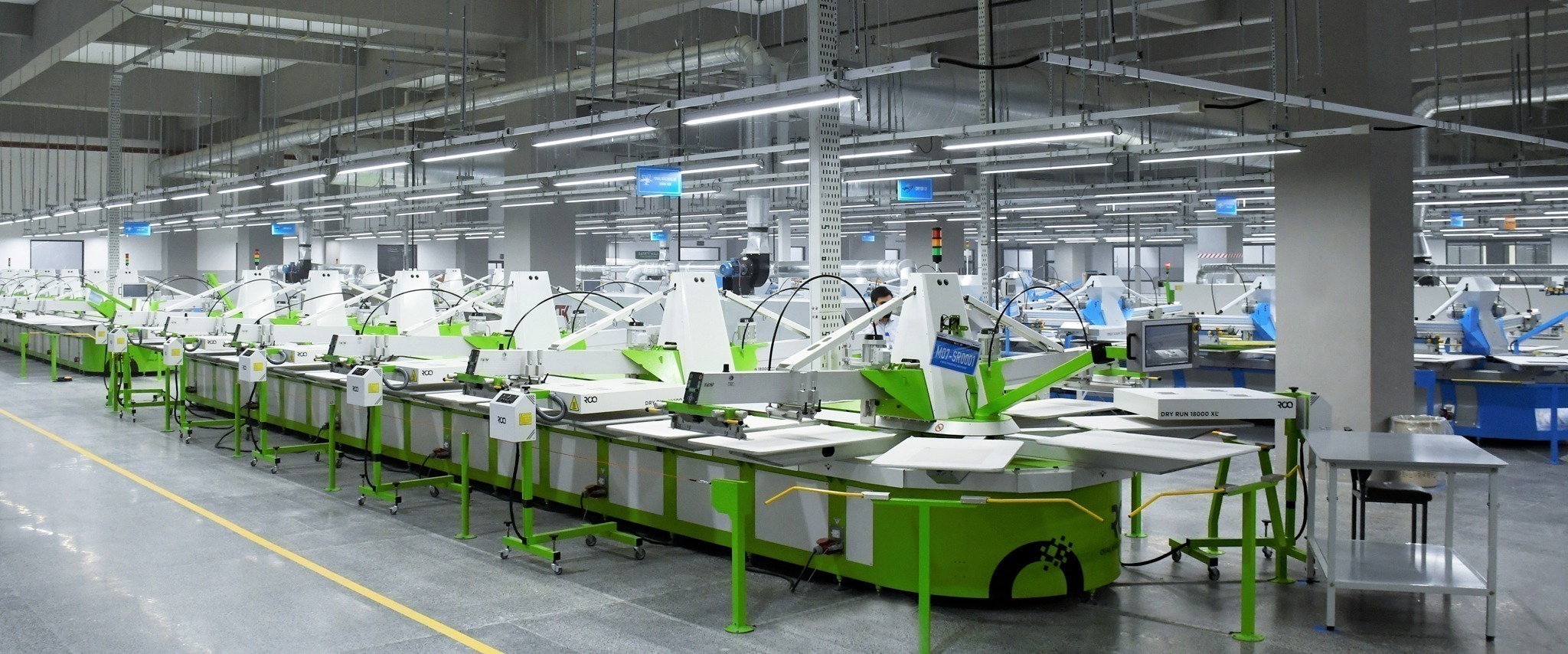
    Interloop Limited (ILP), one of Pakistan’s largest publicly listed textile firms, is charting an ambitious growth trajectory, aiming to hit $700 million in revenue by FY26. With knitwear and denim spearheading exports, the company projects these segments to generate $300 million collectively.

    The expansion plan includes a $92 million in capital expenditures: $58 million allocated to a new hosiery plant by the third quarter of calendar year 2025, $18.8 million for denim capacity upgrades by during the second quarter of CY2026, $13.2 million for yarn dyeing by the third quarter of CY2025, and $2.1 million for renewable energy initiatives by the first quarter of calendar 2025.

    As Western brands pivot away from China due to tariffs and reduce dependency on Bangladesh, Interloop seeks to capitalise on this reorientation. Its exports surged 26% year-on-year in FY24, outperforming Pakistan’s stagnant $17 billion textile export figure.

    In fiscal year 2024, utilisation rates improved significantly: Hosiery reached 82%, denim 88%, and spinning 92%. The newer apparel segment is expected to hit full operational capacity by fiscal year ending June 30, 2026, with profitability anticipated as efficiency improves. However, wastage in the apparel division remains high at 20–22%, though management is optimistic about reducing losses next year. [restrict level=1]

    Sales rose 31% year-on-year to Rs156 billion, though net profits declined 20% to Rs16 billion due to rupee appreciation and rising costs. Margins remain under pressure, compounded by higher salaries and cotton costs.

    Employing over 34,000 people across six countries, Interloop is experiencing robust sales growth at a compound annual growth rate (CAGR) of 44% since 2020. With growing demand and strategic investments, the company aims to cement its position as a key player in the global textile supply chain.

    Interloop Limited is a vertically integrated, full-family clothing manufacturer and one of the world’s largest hosiery producers. The company specializes in manufacturing hosiery, denim, knitted apparel, and seamless activewear for leading international brands and retailers.

    Interloop was founded in 1992 by two entrepreneurial brothers, Musadaq Zulqarnain and Navid Fazil, along with their friend Tariq Rashid. The company started humbly with just 10 knitting machines in Faisalabad, Pakistan.

    In the 2000s and 2010s, Interloop underwent a series of expansions, becoming a vertically integrated company with state-of-the-art spinning, yarn dyeing, knitting, and finishing facilities.

    In 2019, the company listed on the Pakistan Stock Exchange, marking the largest private sector IPO in the country’s history until that time. That same year, it expanded into denim apparel with a new manufacturing plant in Lahore.

    The company has the capacity to produce 795 million pairs of socks and tights annually.

    Interloop continues to expand its hosiery business while diversifying into related apparel segments, solidifying its position as a major player in the global textile industry.

    For decades, China’s dominance in the global textile market seemed unshakeable. But as the Trump Administration ushers in a wave of protectionist policies, including hefty tariffs on Chinese goods, cracks are appearing in the giant’s textile empire.

    Global apparel brands are rethinking their sourcing strategies, shifting orders to alternatives like Vietnam, India, and even Pakistan. The move is not just about tariffs—it is a play for supply chain resilience amid intensifying Sino-American trade tensions.

    Bangladesh and Vietnam are emerging as clear winners, leveraging their competitive pricing and trade agreements to lure contracts. Meanwhile, textile hubs in South Asia, such as Pakistan’s Interloop, are banking on expanding capacities to fill the void.

    China is not retreating quietly. The country’s push into automation and eco-friendly textiles is a bid to maintain competitiveness, but rising costs and political headwinds pose challenges. For now, the global textile chessboard is being rearranged, with Beijing increasingly on the defensive. [/restrict]

    [adinserter name="_av_sidebar_top"]
    [td_block_7 custom_title="Popular Posts" block_template_id="td_block_template_14" header_text_color="#f4f4f4" top_border_color="#f4f4f4" bottom_border_color="#444444" header_color="#000000" m6f_title_font_family="638" f_header_font_weight="500" f_header_font_transform="uppercase" f_header_font_size="14" offset="20" tdc_css="eyJhbGwiOnsibWFyZ2luLXRvcCI6IjEwIiwiZGlzcGxheSI6IiJ9fQ=="]
    [adinserter name="_av_sidebar_bottom"]