December 4, 2025
Dollar weak with rate-cut enthusiasm intact, euro at 7-week high
Weak US data bolsters rate cut expectations; Euro the major winner amid dollar decline in 2025
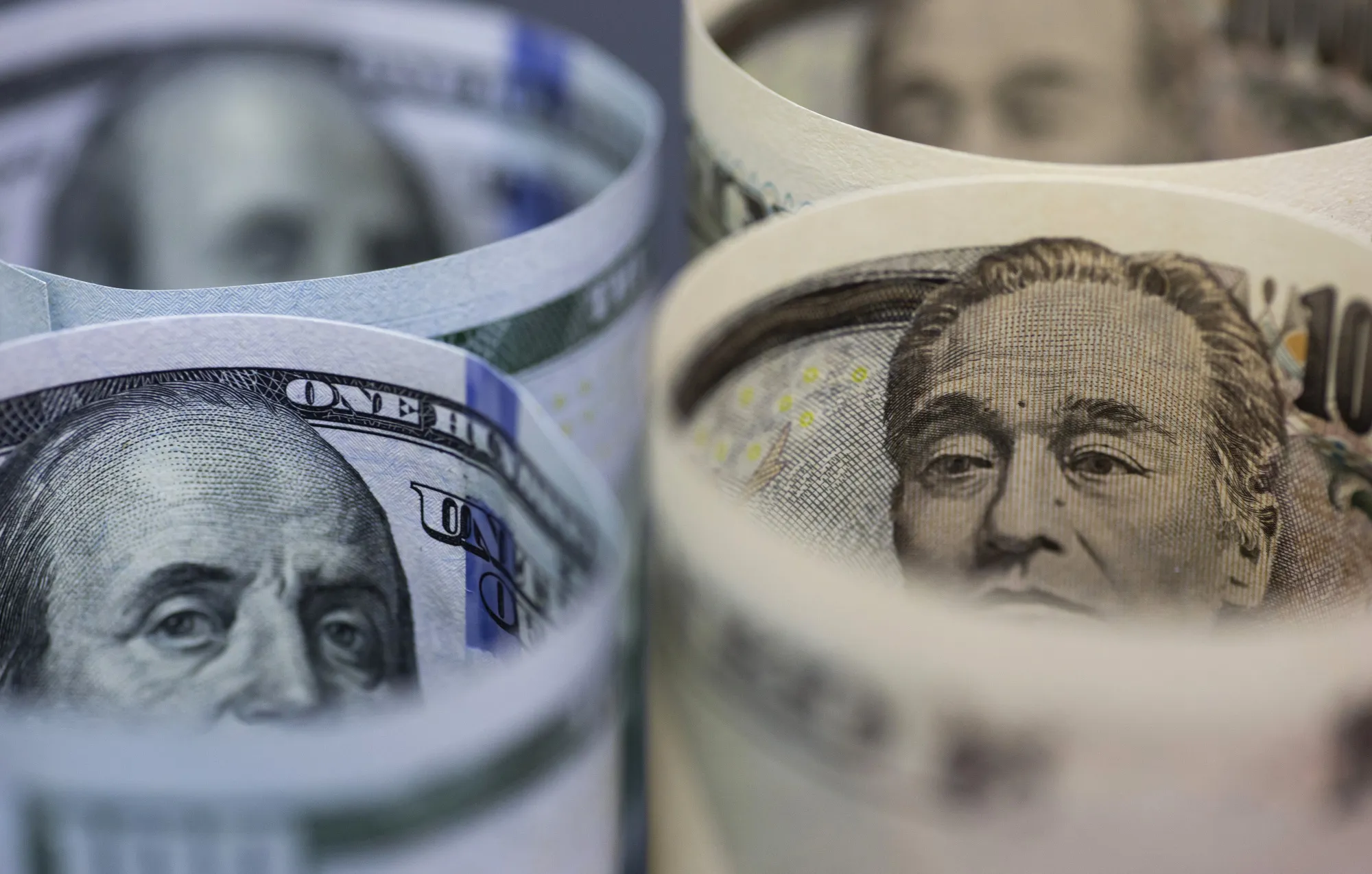
SINGAPORE: The U.S. dollar was soft on Thursday after lacklustre economic data cemented the case for a rate cut from the Federal Reserve next week, providing relief to the yen and pushing the euro to its highest level in nearly seven weeks.
Investors have also been weighing the prospect of White House economic adviser Kevin Hassett taking over as Fed Chair after Jerome Powell’s term ends in May. He is expected to push for more rate cuts.
U.S. President Donald Trump said this week he will unveil his pick to succeed Powell early next year, extending a months-long selection process despite previously claiming he had already decided on a candidate.
A move to appoint Hassett could pressure the dollar, analysts have said, with bond investors expressing concerns to the U.S. Treasury that Hassett could aggressively cut rates to align with Trump's preferences, the Financial Times reported.
Traders are pricing in an 89% chance of a quarter-point rate cut next week, CME FedWatch showed, with an expected 89 basis points of easing by the end of next year. Analysts are sceptical about how long and deep the easing cycle would be.
Thomas Mathews, head of markets for the Asia-Pacific region at Capital Economics, said given the strength of the U.S. economy, investors may be overestimating how far the Fed will cut in the medium-term, regardless of what it does next week.
"That, I think, will keep the dollar from falling too far," he said.
Still, the dollar index , which measures the U.S. currency against six rivals, was at 98.919, languishing near a five-week low. The index is down nearly 9% for the year.
Thierry Wizman, global FX & rates strategist at Macquarie, said the sudden realization of better data abroad, wage growth signals in Japan, combined with the prospect that the next Fed chair will be Hassett, has probably helped push other currencies higher as the dollar has slid.
The euro was steady at $1.1674 in Asian hours after breaching the highest level since October 17 in the previous session as data showed business activity in the euro zone expanded at its fastest pace in 30 months in November.
The currency is up over 12% this year, on pace for its biggest annual gain since 2017, benefiting from a weak dollar due to tariff uncertainties earlier in the year and lately rising odds of U.S. rate cuts.
The European Central Bank is due to meet in two weeks and is broadly expected to stand pat on rates, with markets pricing in only a one-in-four chance of any easing next year.
The yen was little changed at 155.18 per U.S. dollar as worries of intervention by Tokyo authorities eased slightly, even though Japanese bonds have sold off this week on fiscal worries over a massive spending plan from Prime Minister Sanae Takaichi.
Markets are now expecting the Bank of Japan to raise rates in two weeks after hints from BOJ Governor Kazuo Ueda helped ease some of the pressure on the yen.
Sterling was at $1.33425, hovering near its highest point since October 28. The Australian dollar last fetched $0.66075, while the New Zealand dollar was at $0.5774. Both were trading near their highest levels in more than a month.
0 Comments
No comments yet. Be the first to join the discussion!