


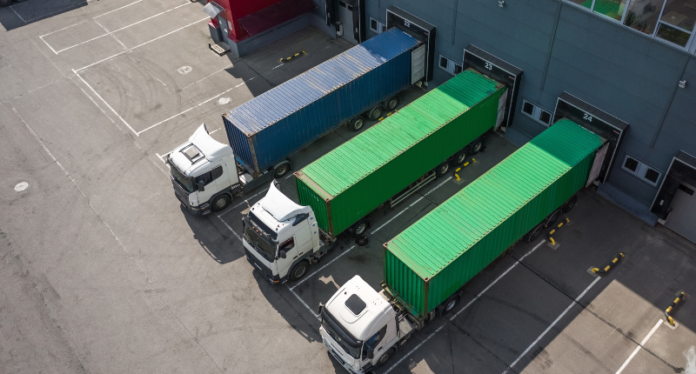
Business groups and trade bodies have warned that economic activity in Karachi and across Sindh could come to a halt as a nine-day-old cargo transporters’ strike continues to disrupt the movement of goods and industrial supplies, urging the Sindh government to intervene over its impact on industrial production, port operations, and supply chains.
The transporters’ protests began after the enforcement of the Motor Vehicle Ordinance 2025 on December 8, which introduced higher fines, stricter penalties, vehicle impoundment, and FIRs against drivers and operators. Transport unions say the ordinance was implemented without adequate consultation and has made routine operations financially unviable.
In a letter to the Sindh chief minister, Overseas Investors Chamber of Commerce and Industry (OICCI) Secretary General Abdul Aleem said the situation posed a serious challenge for industry and commerce. He said the issue was raised with the chief secretaries of Punjab and Sindh on December 12, but relief was seen only in parts of Punjab, while conditions in Sindh remained unchanged.
OICCI secretary general said trucks from Punjab were still unable to enter Karachi, adding that both inbound and outbound port operations continued to face restrictions. He warned that several manufacturing units were at risk of shutting down due to disruptions in raw material supply.
According to OICCI, at least one member reported production lines being shut down, while others expected closures within days as essential inputs and finished goods remained stranded on highways.
Pakistan Vanaspati Manufacturers Association said supplies of edible oil, ghee, and other essential commodities had been affected, while transportation of industrial raw materials had largely come to a standstill. The association warned that prolonged suspension of raw material movement could halt production and deepen economic losses.
It added that imported consignments were stuck at ports, exposing businesses to financial losses due to demurrage and detention charges.
Pakistan Association of Large Steel Producers General Secretary Wajid Bukhari said the strike had significantly disrupted industrial output and supply chains, warning that prolonged stoppages could lead to layoffs, wage losses, and damage to the country’s industrial credibility.
Major transport bodies, including the All Pakistan Transport Federation, have announced a nationwide wheel-jam strike on December 19, warning that goods and passenger transport will remain suspended unless disputed provisions of the ordinance are revised.