January 7, 2026
Asian Development Bank approves $2 billion loan for Karachi-Rohri railway project, says minister
Project aims to reduce travel time by five hours, with groundbreaking scheduled for July 2026; Abbasi says provinces have been offered to operate branch railway lines

January 7, 2026
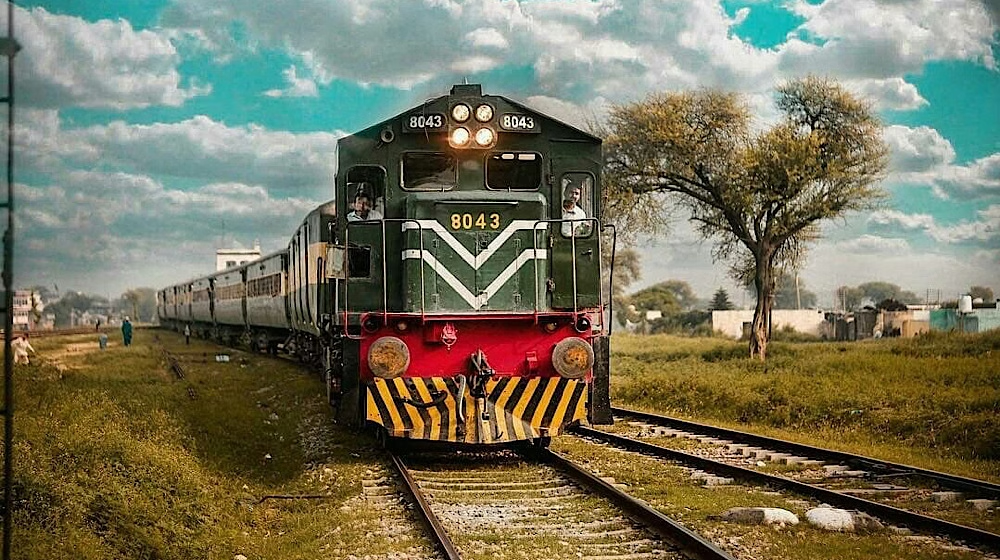
The Asian Development Bank (ADB) has approved a $2 billion loan for the construction of a new 480-kilometre railway track between Karachi and Rohri. Federal Minister for Railways Muhammad Hanif Abbasi announced the project, which is expected to cut travel time by at least five hours. The groundbreaking for the Karachi-Rohri railway project is set for July 2026, with completion anticipated in two and a half to three years.
Addressing the media, Abbasi described the initiative as a key milestone in modernising Pakistan’s rail network. He also highlighted ongoing efforts to digitise operations, outsource services, build new tracks, and enhance passenger facilities.
Additionally, he said that the government is advancing the Reko Diq project, which includes a 900-kilometre railway corridor from Rohri to Nokundi, combining 500 kilometres of new tracks with the upgradation of 400 kilometres of existing lines.
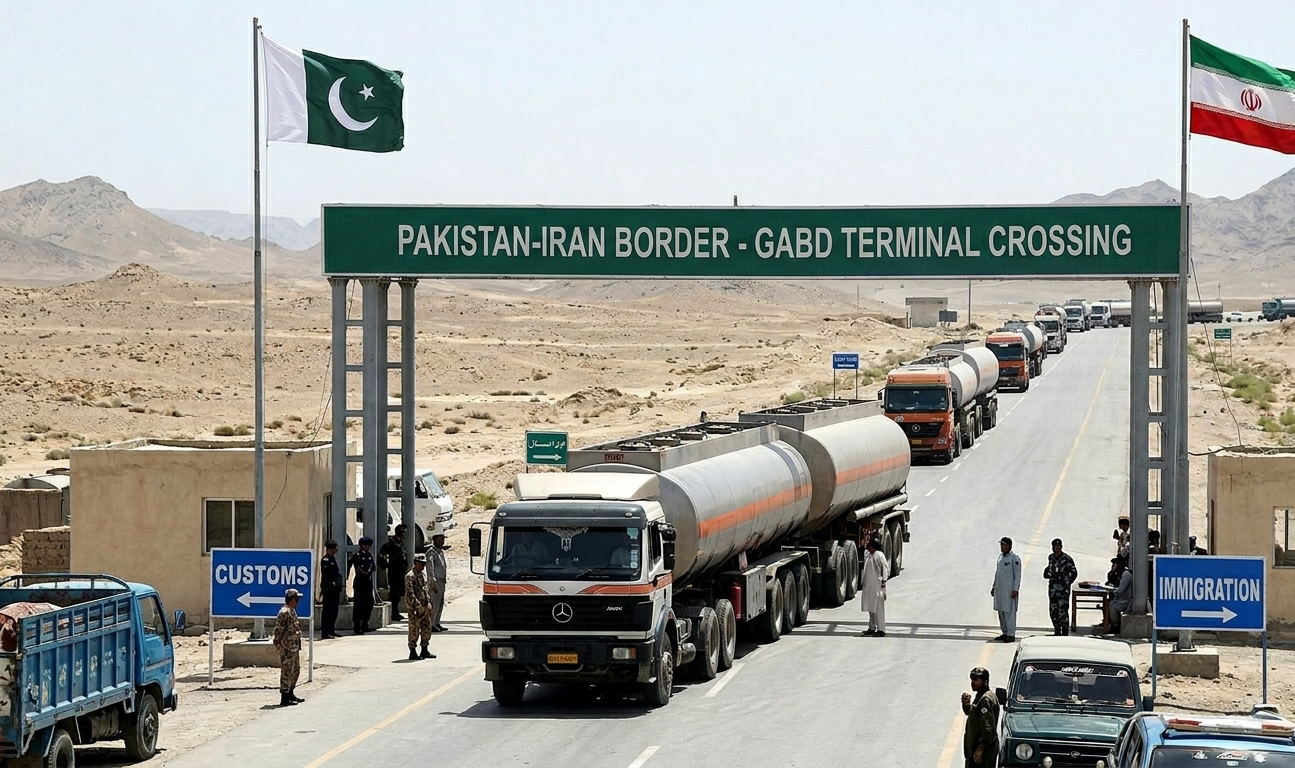
To strengthen regional connectivity, a new 87-kilometre rail section between Nokundi and Taftan will improve links with Iran. The minister also announced the launch of a 54-kilometre People’s Train route in Balochistan, at a cost of Rs. 4 billion, and the development of eight new regional routes across Punjab, Sindh, and Khyber Pakhtunkhwa.
For the first time, provincial governments have been offered the opportunity to operate branch railway lines, with Punjab, Sindh, and Balochistan already allocating funds, and discussions with Khyber Pakhtunkhwa underway.
The minister further emphasised progress on international rail connectivity with Kazakhstan, Uzbekistan, and Iran, with plans to launch the Islamabad-Tehran-Istanbul service once security clearance is obtained.
In terms of service improvements, Abbasi announced the completion of cleanliness and renovation work at Rawalpindi Railway Station. Additionally, three prime trains have already been upgraded, and all major trains are set to be upgraded by June 30, 2026, including security cameras, Wi-Fi, hostesses, and modern dining cars.
As part of the modernisation drive, he said that Wi-Fi routers have been installed at major stations, and ticket booking through the Rabta App is now available. A 1,700-kilometre fibre optic network is being laid to further enhance the service.
Other upgrades include the installation of M-Tag-style stickers for better train tracking and management, and efforts to make Karachi and Lahore railway stations safer and more secure.
The minister also highlighted a Rs. 8.9 billion digital systems agreement with FWO and an $85 million project with DP World at Pipri Yard. In addition, 155 railway stations have been converted to solar energy, and Pakistan Railways recorded its highest-ever daily revenue of Rs. 300 million.
Abbasi also addressed provincial railway projects, including the Lahore-Rawalpindi new track, which, with provincial funding, will reduce travel time to two and a half hours once completed.
Looking ahead, Pakistan Railways aims to generate Rs. 1 trillion in revenue by June 2026, to transform the organisation into a modern, safe, and financially sustainable entity. The minister assured that railway employees' rights would be fully protected, with hospitals and schools being outsourced, and upgrades planned for 14 running rooms to improve staff facilities.
Our monitoring team diligently searches the vast expanse of the web to carefully handpick and distill top-tier business and economic news stories and articles, presenting them to you in a concise and informative manner.
View all articles →1 Comment
No comments yet. Be the first to join the discussion!