


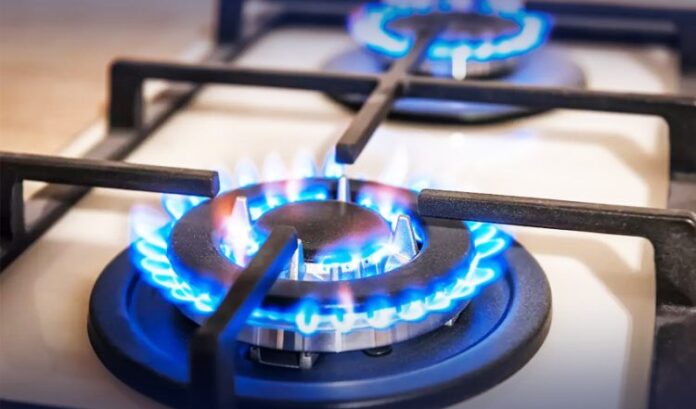
The government will not raise gas prices for any consumer over the next six months, providing much-needed relief to households and businesses amid high living costs. Petroleum Minister Ali Pervaiz Malik confirmed this decision on Tuesday, despite the gas sector’s circular debt nearing a staggering Rs3 trillion.
According to media reports, during a briefing to the National Assembly Standing Committee on Petroleum, chaired by Syed Mustafa Mahmood, Malik explained that Prime Minister Shehbaz Sharif had directed the freeze in gas tariffs for the remainder of the fiscal year to alleviate pressure during the winter months.
Malik also highlighted a successful agreement with Qatar to divert excess liquefied natural gas (LNG) to global markets without violating existing contracts, further strengthening the bilateral partnership. He commended Qatar for its reliability when other global suppliers faltered.
However, the gas sector’s financial woes remain deep. MNA Asad Alam Niazi raised concerns over the growing circular debt, now exceeding Rs3 trillion, and asked whether a petrol and diesel levy of Rs5 per liter would be considered to manage this debt.
Malik indicated that a detailed briefing on the matter would be provided soon, mentioning that the government had already submitted a report on gas sector debt, prepared under IMF conditions, to the cabinet’s energy committee.
The petroleum minister also outlined progress on reducing gas sector losses and theft. Sui Northern Gas Pipelines Limited (SNGPL) reduced unaccounted-for gas (UFG) losses from 9% to 5%, while Sui Southern Gas Company (SSGC) lowered losses from 17% to 10%. Despite improvements, SSGC reported ongoing losses of Rs12 billion annually in Balochistan, with efforts underway to address low gas pressure in Quetta.
The minister assured lawmakers that domestic gas supply had improved significantly this winter, with higher daily supplies compared to last year. He confirmed that no local gas fields had been shut down, and additional gas had been allocated to power plants to prevent load shedding.