January 10, 2026
Short-term inflation rises 3.20% YoY, driven by persistent food, energy price hikes
Wheat flour, chicken, and LPG lead weekly price increases, with some relief in perishables

January 10, 2026
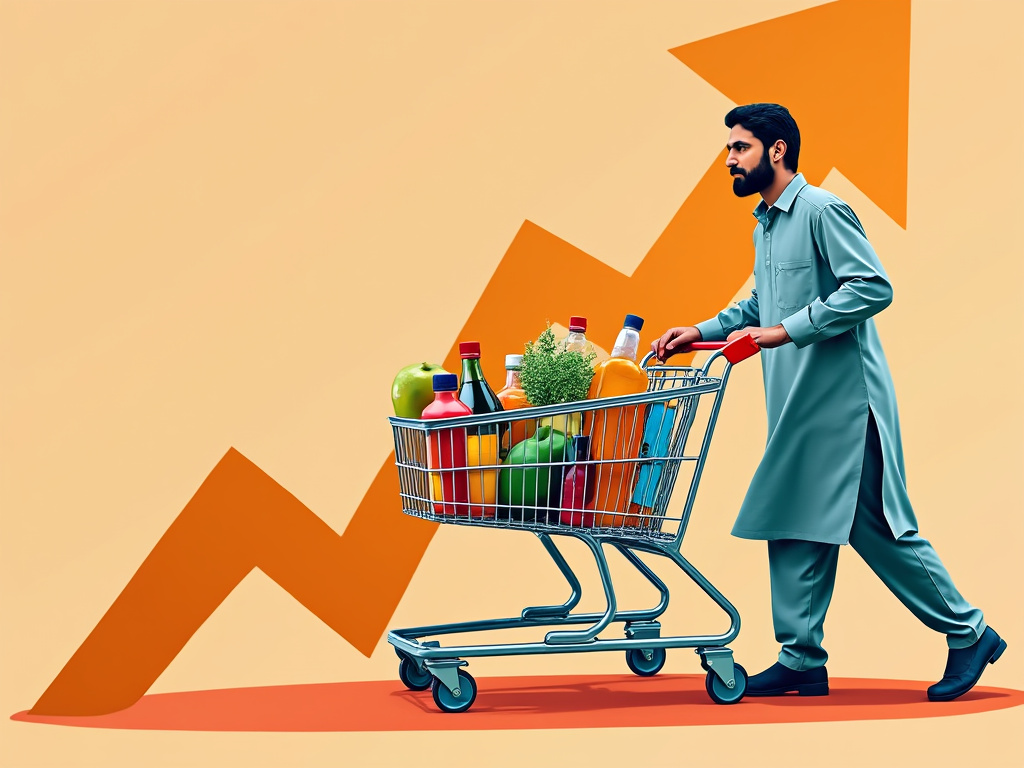
The Sensitive Price Indicator (SPI) for the week ending January 8, 2026, showed a 3.20% year-on-year (YoY) increase, reflecting ongoing pressure on household budgets amid sustained food and energy price inflation.
According to the latest data released by the Pakistan Bureau of Statistics (PBS), the SPI, which tracks the weekly price movements of 51 essential commodities across 50 markets in 17 cities, rose by 0.12% on a week-on-week (WoW) basis.
This increase was seen across all consumption quintiles, with lower- and middle-income groups (Quintiles 1–4) experiencing slightly higher inflation at 0.12% to 0.13%, compared to the highest-income group (Q5), which saw a lower WoW increase of 0.11%.
On a YoY basis, inflation was most pronounced in the lower-middle and middle-income households, with Quintiles 2 and 3 experiencing increases of 3.65% and 3.43%, respectively, compared to 2.42% for Quintile 1 and 2.58% for Quintile 5.
The increase in the SPI for the week was largely driven by rising prices of staple food items and utility costs. Wheat flour saw the most significant price surge, rising by 5.07%, followed by chicken (2.86%), garlic (2.44%), and chili powder (1.01%).
Energy-related costs also edged higher, with liquefied petroleum gas (LPG) prices climbing by 0.88%. Other processed items like prepared tea (0.73%), sugar (0.58%), bread (0.51%), and broken Basmati rice (0.41%) also contributed to the weekly inflationary pressures.
However, some relief was observed in perishable food prices, with potatoes falling by 3.73%, onions by 2.20%, eggs by 1.44%, and pulse gram by 1.51%. Modest declines were also seen in bananas (0.21%) and tomatoes (0.05%), though these decreases were not sufficient to offset the impact of rising staple and utility costs.
On an annual basis, the 3.20% YoY increase in SPI was primarily driven by sharp price hikes in wheat flour (31.12%) and gas charges (29.85%). Other notable increases included beef (13.15%), chili powder (11.43%), sugar (11.18%), and bananas (10.57%).
Meanwhile, significant declines were seen in the prices of tomatoes (57.04%), potatoes (48.71%), and onions (41.33%), which partially mitigated the overall inflationary impact.
0 Comments
No comments yet. Be the first to join the discussion!