January 14, 2026
Pakistan faces tough choices after Trump’s threat of 25% tariff on doing business with Iran: report
Move threatens to disrupt Pakistan’s bilateral trade with Iran, which is valued at around $3 billion annually

January 14, 2026
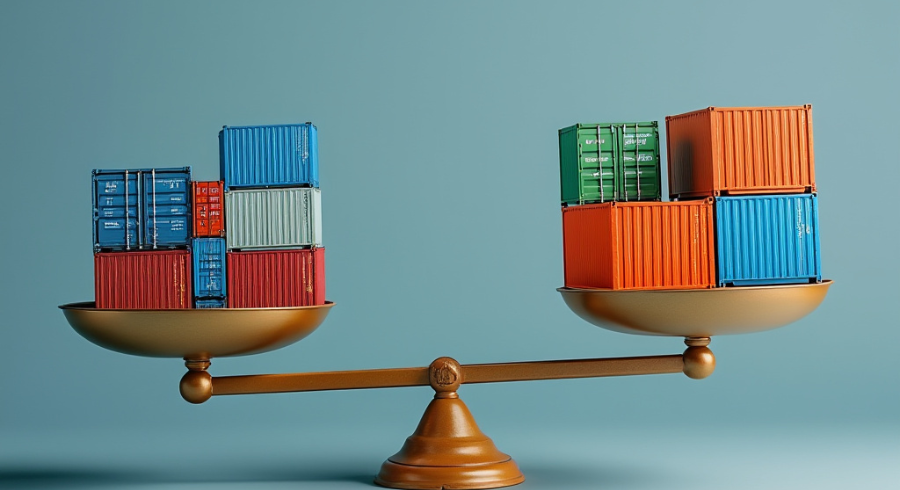
Pakistan is confronting a challenging situation after US President Donald Trump announced a 25% tariff on any country conducting business with Iran. This latest move potentially threatens to disrupt Pakistan’s bilateral trade with Iran, which is valued at around $3 billion annually, Dawn reported.
While trade with Iran has flourished despite sanctions through barter and local currency arrangements, the new tariff complicates Pakistan's position as the US remains a significant export destination.
The tariff, which adds to existing US duties, would directly impact Pakistan’s key exports at a time of economic fragility. A reduction in trade with Iran could also strain Pakistan’s energy supply, affect border economies, and hinder regional connectivity. With the US offering little chance for exemptions, Pakistan faces two difficult choices: either to further informalize trade with Iran or reduce engagement with Iran, both of which carry significant domestic economic consequences.
The tariff measures are part of Trump’s “maximum pressure” strategy aimed at financially isolating Iran, first initiated after the US withdrew from the Iran nuclear deal in 2018. The focus now is shifting from sanctions on financial institutions to imposing tariffs that affect entire national economies, creating significant uncertainties for countries trading with Iran.
A major point of concern is the unclear definition of “doing business” in the context of the tariff. It remains uncertain whether the term covers all forms of trade, investment, services, or financial transactions, and there is no clarification on whether humanitarian trade such as food and medicine would be exempt. The scope of the measure is also uncertain, leaving questions on whether the tariff would apply solely to goods or extend to services and capital flows.
Another unresolved issue is currency usage. The tariff announcement does not mention dollar-denominated transactions, suggesting that it pertains more to trade access rather than reliance on the US financial system. While Iran and its trading partners have increasingly relied on non-dollar methods such as barter and local currencies, the new tariff could reduce the effectiveness of these workarounds, pushing countries to seek alternatives to the US market.
This move marks a departure from traditional sanctions, which targeted specific entities, offering governments some flexibility. With this blanket tariff, even minimal trade with Iran could result in penalties on unrelated exports to the US, exerting collective economic pressure on Pakistan and other nations.
For Iran, the impact is expected to worsen its economic challenges, including inflation, unemployment, and currency depreciation. These pressures are already fueling unrest, and further reducing its trade avenues could intensify these issues, disproportionately affecting ordinary citizens rather than the government.
The global reaction is still evolving. China, Iran’s largest trading partner and principal buyer of Iranian oil, has openly rejected the US's actions, calling it unilateral coercion. Other nations like India, Turkey, and Gulf states face complicated decisions, balancing their dependence on the US market with regional considerations. European governments, long critical of US extraterritorial measures, are likely to view the move negatively, though their response remains uncertain.
Our monitoring team diligently searches the vast expanse of the web to carefully handpick and distill top-tier business and economic news stories and articles, presenting them to you in a concise and informative manner.
View all articles →0 Comments
No comments yet. Be the first to join the discussion!