Pakistan's cherries sweeten up Chinese market: market access granted after 12-year wait
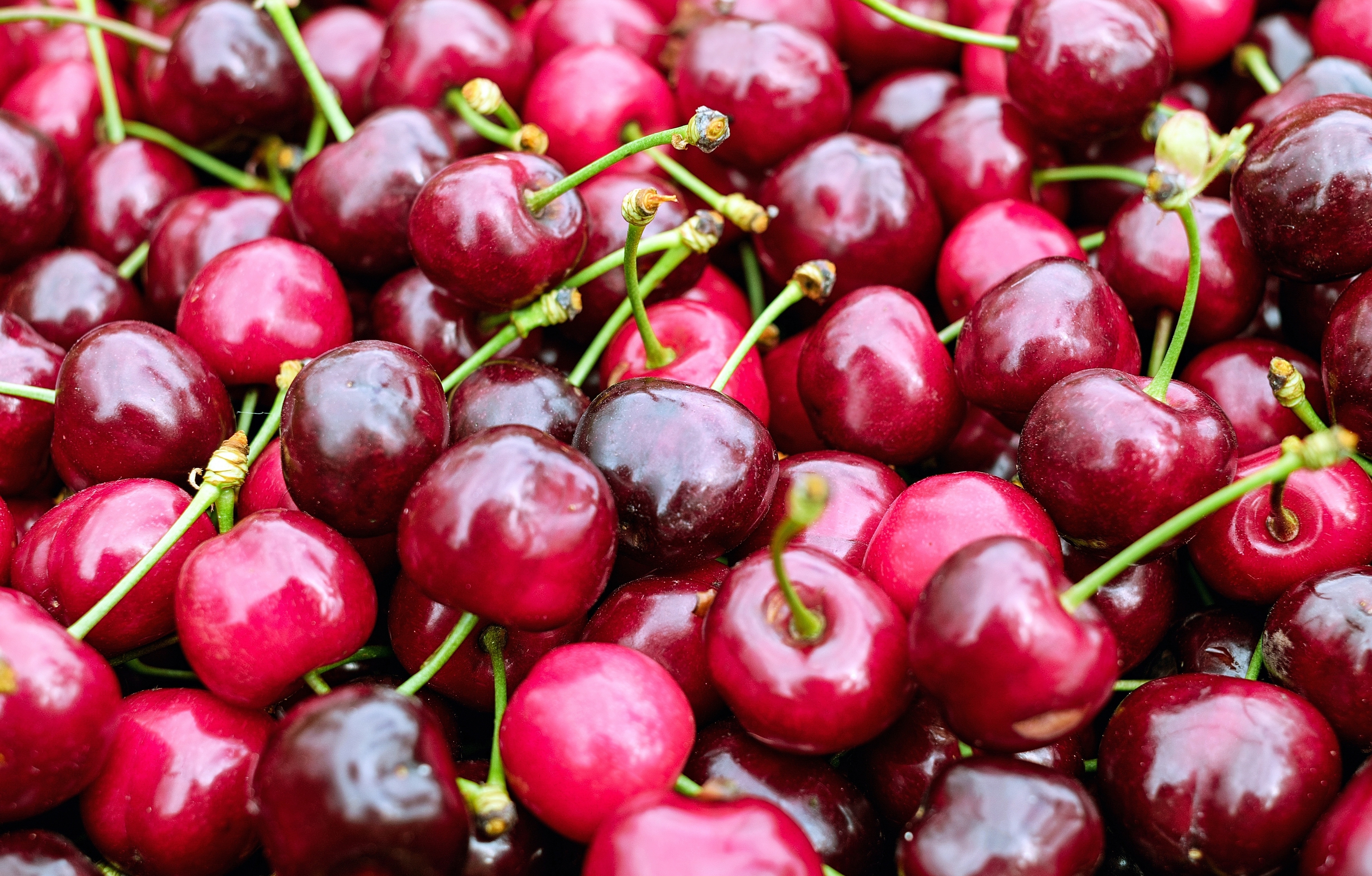
ISLAMABAD: While the cherry this year is over, Pakistan has gained market access for exporting cherries to China. After a 12-year-long wait, the long-standing issue of market access for Pakistani cherries has been finally resolved for, what the officials claim, collective efforts of various agencies and departments.
As per details the Department of Plant Protection (DPP), under the Ministry of National Food Security and Research (MNFSR), played a pivotal role in securing this breakthrough. The General Administrations of Customs China (GACC) have officially confirmed that cherries from Pakistan can now be exported to China from DPP registered orchards and packhouses. This development is expected to boost the export of Pakistani cherries, providing a substantial contribution to the overall growth of the national economy.
Following the development the concerned departments have approved to upgrade and register orchards, cold treatment facilities, and packhouses to meet the requirements of GACC. To improve food safety, phytosanitary measures, quality, storage, and packaging standards, at least 90 cherry orchards and 15 cold treatment facilities & packhouses in Pakistan have now been approved for export of cherries to China.
However, the road to gaining market access was not without challenges. Following the opening of the China-Pakistan border on April 1, the Chinese government allowed the import of cherries from Pakistan, but stringent phytosanitary standards posed difficulties for compliance. The Chinese embassy informed the Ministry of National Food Security and Research that GACC would conduct remote video investigations to ensure compliance with these standards for the export of fresh cherries from Pakistan to China.
Zulfiqar Monin, a leading exporter of fresh fruit, pointed out that cherries produced in Pakistan, especially those from Gilgit Baltistan, are juicier than normal cherries but highly perishable. The existing phytosanitary measures, requiring cherries to be kept at one-degree temperature for over 18 days, proved challenging. To meet the protocols, the cultivation of imported cherry plants was suggested, as they could produce fruits with a longer shelf life of around 25 days at one degree centigrade. However, a lack of packhouses and major cold storage in Gilgit-Baltistan hindered implementation.
Despite the obstacles, the potential for growth in the cherry industry is promising. China is the largest consumer of cherries globally, and the Chinese and Pakistani governments have worked together since 2019 to establish an agreement for fresh cherry exports from Pakistan. The export protocol lays out strict conditions on quarantine pests and cold treatment facilities, which must be met by cherry orchards, packaging plants, and refrigerated warehouses. With cherries from Pakistan enjoying zero tariffs under the China-Pakistan Free Trade Agreement, Pakistan's cherry industry has ample room for further expansion.
Currently, only 10% of cherries are available for export, but with China importing over 200,000 tons of cherries annually, the approval of Pakistani cherries to enter the Chinese market is expected to stimulate significant growth in Pakistan's domestic cherry industry. The collaboration between government agencies and the commitment to meet global quality standards will not only boost cherry exports but also open doors to exploring other agricultural exports, contributing to Pakistan's economic prosperity.

The writer is a member of the staff at the Islamabad Bureau. He can be reached at [email protected]
View all articles →2 Comments
No comments yet. Be the first to join the discussion!