In a continuing trend of economic challenges, Pakistan's inflation rate has escalated for the third consecutive week. The Sensitive Price Indicator (SPI) for the Combined Group witnessed a 1.36% week-over-week increase as of January 11, 2024. This rise follows last week's increase of 0.81%.
The Pakistan Bureau of Statistics (PBS) reports a significant year-over-year inflation surge. The Combined Index, standing at 317.92 compared to last year's 220.53, marks a staggering 44.16% increase from the same period in the previous year.
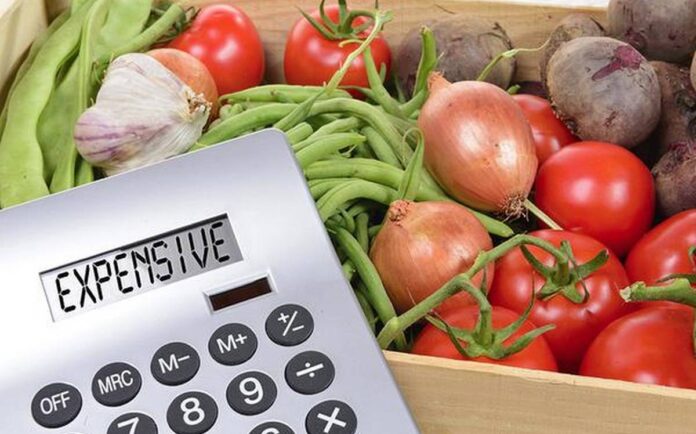
The inflationary trend is evident in the price shifts of 51 monitored items. Over the past week, prices of 21 items rose, 8 decreased, and 22 remained unchanged. Notably, significant hikes were seen in the costs of tomatoes (15.63%), onions (8.94%), chicken (6.42%), electricity charges for Q1 (5.11%), and eggs (4.31%). Conversely, potatoes (5.92%), vegetable ghee (0.84% for 1 kg, 0.29% for 2.5 kg), sugar (0.43%), and mustard oil (0.26%) saw price drops.
The SPI's impact varies across different income groups. All quantiles experienced an increase ranging from 1.2% to 1.34% weekly. The lowest income group faced a 1.2% rise, whereas the highest income group saw a 1.34% increase. Yearly analysis presents a more daunting picture, with SPI increases between 36.06% and 47.48% across the income spectrum.
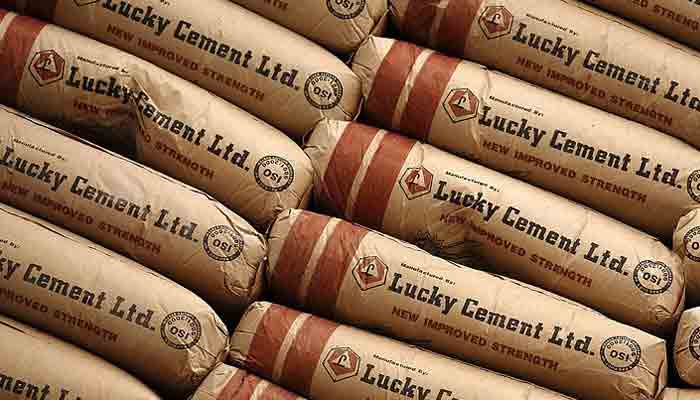
The financial strain extends to essential commodities. The average price of Sona urea now stands at Rs4,622 per 50 kg bag, marking a slight 0.07% increase over last week and a significant 66.35% increase from last year. In contrast, the average cement price decreased by 0.39% from the previous week to Rs1,221 per 50 kg bag, yet it's still 17.17% higher compared to last year's prices.
The continuous rise in inflation is a growing concern for Pakistan's economy, affecting various sectors and straining household budgets across income groups.